

Reviewed · HERCULANEUM TOURS
Ercolano: Herculaneum Entry Ticket with Optional Audio Guide
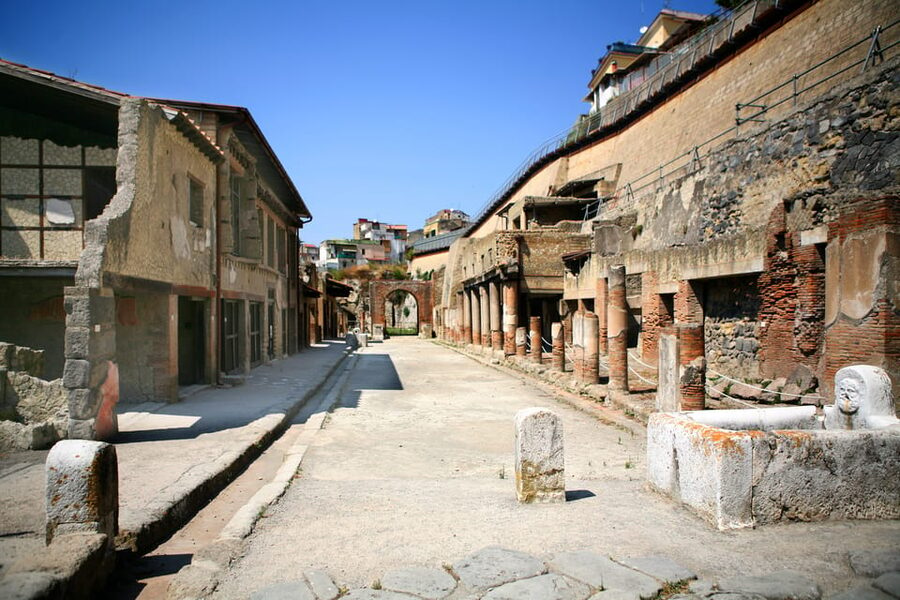
Herculaneum (Ercolano) is interesting because Vesuvius buried the whole town, then preserved it with an unusual level of detail. I love how roofs, beds, doors, and everyday objects make the past feel less like a theory and more like a place you could step into. You’ll walk real cobblestones laid out for daily life.
Another reason this ticket works is the optional audio guide that ties what you’re seeing to how people actually lived. I like that it can take you through key parts of the city, from shops to public spaces like the gymnasium and swimming baths, and it keeps the emotional weight of the 79 AD disaster in focus.
One drawback to plan around: the visit is self-paced, so without strong visual help on-site, the audio guide experience can feel a bit tricky. Also, the app needs attention, since it may be data-hungry and the audio can be harder to match to exactly where you are standing.
Key things to know before you go
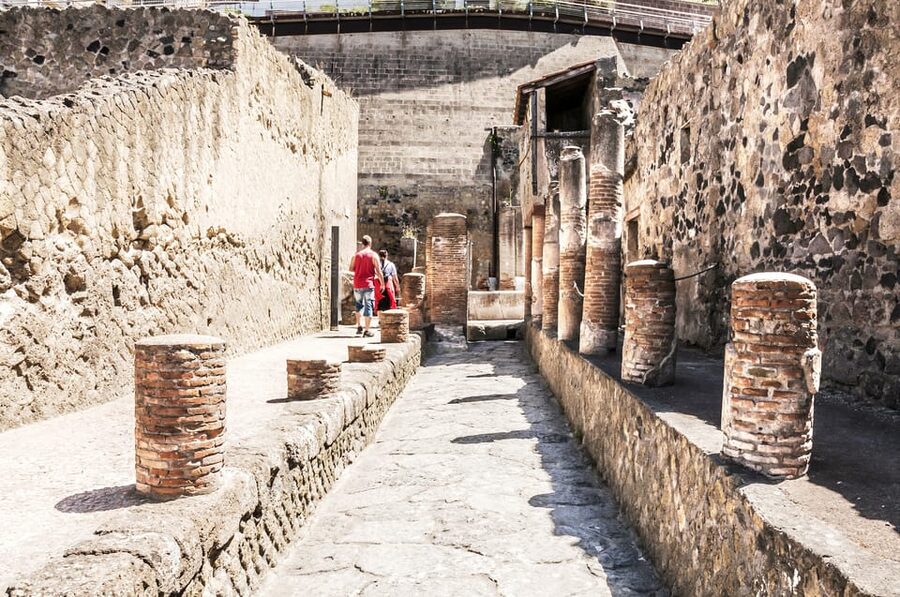
- Herculaneum is more preserved than Pompeii, so you get a rare feel for rooms, objects, and daily routines
- Optional audio guide comes as an app or a physical device, with multiple language options
- Plan for heat and time limits, because you must leave the archaeological area by the posted deadline
- Shops, gymnasium, and swimming baths are part of the experience, not just street-level wandering
- You can often cover a lot in about 2 to 3 hours, especially if you focus on the main areas
- Download and prepare your audio first, then bring headphones, because navigation can be imperfect
Entering Herculaneum: voucher pickup and picking your audio

This is a straightforward entry ticket. You redeem your access by showing your mobile voucher at the online ticket desk on site. There is no guided tour included, so you control the pace and the route.
You also choose how you want to listen. One option uses a digital audio guide app on your smartphone. The other option includes a physical audio guide device. English, French, German, Italian, and Spanish are listed as available languages for the audio.
Wear comfortable shoes. The site is walkable, but it is an ancient archaeological area, so you want good grip and low-stress pacing. Also, think ahead about the day you’re visiting, because last admission and closing time are strict, and you have to exit the archaeological area by the required hour.
More Herculaneum tours in Ercolano:
- Herculaneum: Skip The Line Entrance ticket + Audioguide
★ 4.3 · 266 reviews - Naples: Pompeii and Herculaneum Tour with Tickets and Lunch
★ 4.4 · 136 reviews - Herculaneum Archaeological Park smart Audio Tour
★ 3.8 · 70 reviews
Why Herculaneum feels different: the preserved city after 79 AD
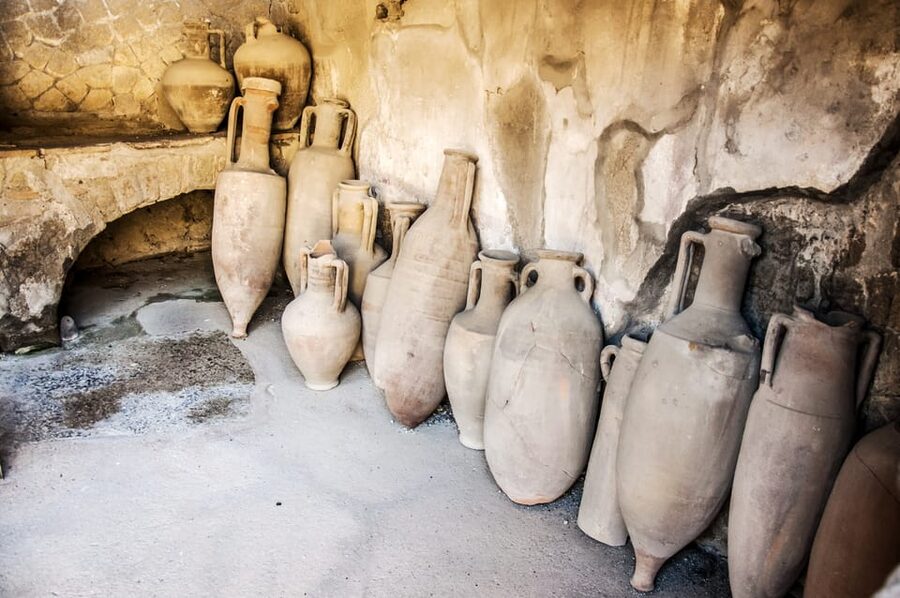
Herculaneum is a UNESCO World Heritage Site, and it is famous for being unusually intact after the eruption of Mount Vesuvius in 79 AD. The town was buried under ash, and the result is that a lot survived in place: roofs, beds, doors, food, and even the remains of people.
That preservation changes how you experience ruins. In many archaeological sites, you see outlines and fragments and you have to do the imagination work yourself. Here, the objects and spaces are so well kept that your brain can “place” daily activities more easily. You can picture not just the buildings, but the way people moved through rooms, used furniture, and worked from shops.
Herculaneum is also emotionally heavy in a very specific way. Seeing the preserved evidence, including the 300 skeletons mentioned in the site description, makes the disaster feel personal rather than historical. You’re not just learning about an eruption. You’re standing where people lived, then you’re reminded of what happened.
Walking the cobbled streets: how to plan your self-guided route
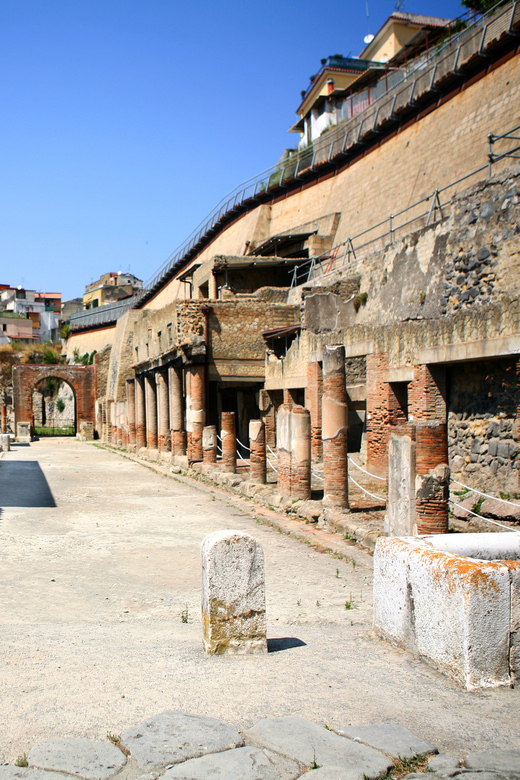
Once inside, you’ll be wandering an ancient town built on streets and enclosed areas. The main “itinerary” is really a sequence of neighborhoods, buildings, and room groups, all at your pace.
I suggest you treat your visit like a careful walk, not a sprint. Pick a route based on what you most want to see:
- If you love architecture and layout, aim for rooms and passageways where the building structure is clearest.
- If you’re moved by human stories, slow down around the areas that feel most “lived-in.”
- If you want visual detail, prioritize spots with well-preserved frescoes and the best-preserved surfaces.
The site is compact compared with Pompeii, which makes a big difference for planning. Many people can finish a strong visit in about 2 to 3 hours, especially if they focus on the preserved rooms and key public areas. If you’re the type who likes to read and stand still, plan closer to the longer side of that range, because there is a lot to absorb in a small footprint.
One practical note: signage can be limited. If you find yourself confused about what you are looking at, don’t panic. Use your audio as your anchor, then do a slower loop where you stop at each “cluster” of rooms and features.
Inside the saved homes: frescoes, beds, food, and daily rituals
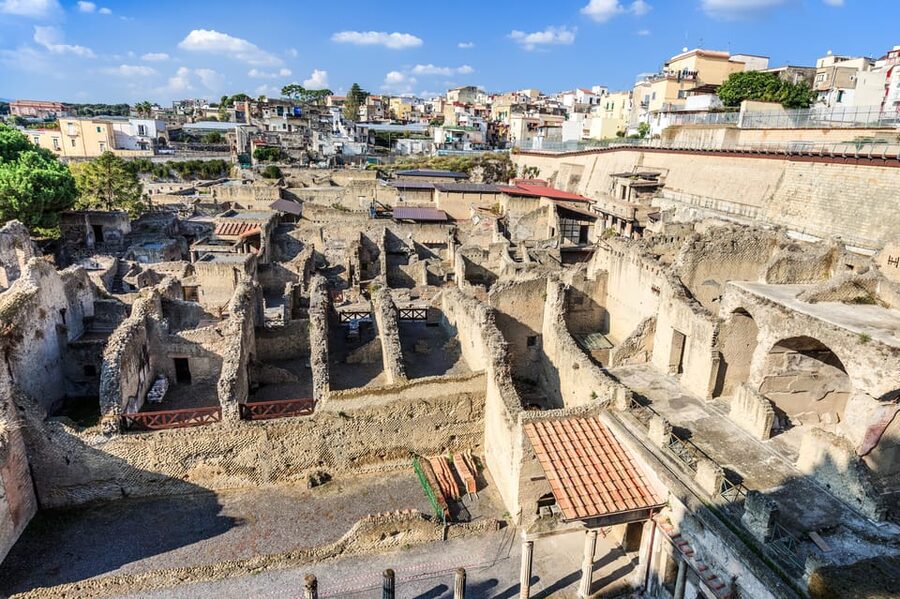
Where Herculaneum really shines is in the feeling that the city was preserved mid-life. You can see spaces that look like homes and working spaces, where the objects kept their place. The description highlights details such as beds, doors, and even food, and that matters because it turns a ruin into a snapshot.
As you walk, look for three things:
- What is preserved where you expect it. Beds and doors help your mind map daily routines. You can almost understand circulation, sleeping patterns, and how rooms were used.
- Color and wall decoration. Frescoes help you read the “taste” and social signals people displayed in interior spaces.
- Room-by-room clues. Some areas feel more intimate and domestic, while others feel like activity zones tied to work or trade.
The experience becomes especially thought-provoking when you imagine the ordinary rituals that happened before 79 AD. Meals, household habits, work routines, and the daily rhythm of opening, cleaning, cooking, and resting. Even without a guided lecture, the preservation encourages that kind of mental reconstruction.
There is also a human side to it. The ruins remind you that people did not just “disappear” into a story. The remains found at the site create a direct, unsettling contrast to the calm look of the preserved rooms and objects.
More self-guided routes around Ercolano:
- Pompeii: Entry Ticket with Optional Audio Guide
★ 4.2 · 12,360 reviews - Pompeii: Skip-the-Line Entrance Ticket with Audio Guide
★ 4.0 · 2,509 reviews - Pompeii: Skip-the-Line Entry Ticket with Audio Guide or Tour
★ 4.1 · 1,364 reviews - Herculaneum: Skip-the-Line Entry Ticket with Audio Guide
★ 4.3 · 870 reviews
Public life in ancient Herculaneum: shops, gymnasium, baths
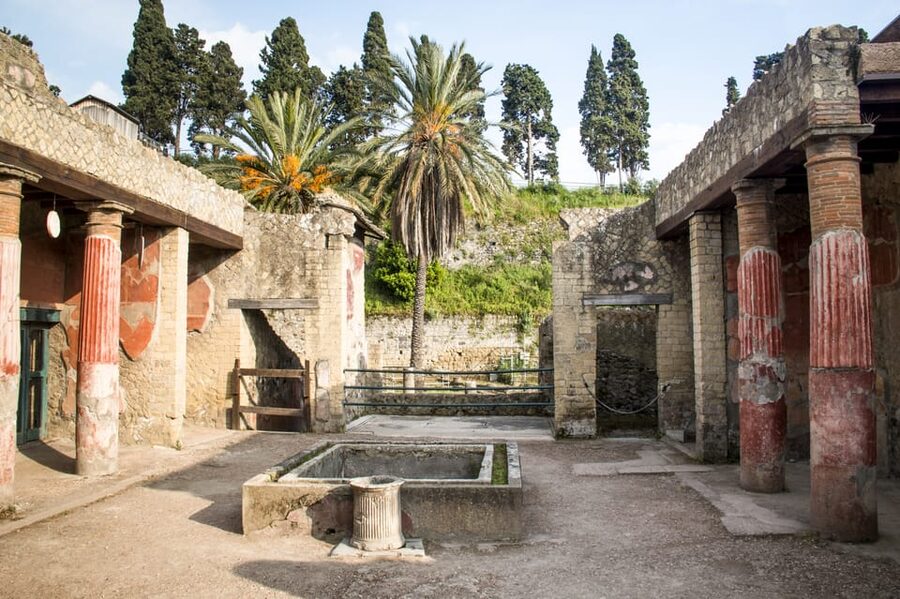
Herculaneum isn’t only about private homes. The site layout includes areas where you can imagine public life, including shops, a public gymnasium, and public swimming baths.
This is valuable because it rounds out the story. Homes tell you how people lived. Public spaces show how they interacted. A gymnasium suggests routines of training and social mixing. Baths point to hygiene culture and the comfort people expected in shared facilities.
Shops add a practical layer. Even if you only pause for a few minutes, they help you understand the economy of the town, the kind of products that might have been sold, and the flow of customers moving through streets.
If you’re someone who tends to rush through ruins, try this strategy: spend your “slow time” in at least one home area and one public area. It keeps the visit balanced, so you don’t end up with only domestic scenes or only “what it looked like” architecture.
Also, plan for a basic cafe option if you need a break. Some visitors found cafe facilities fairly basic, so I recommend treating food and drinks as a backup, not a centerpiece of the day.
Audio guide reality check: app prep, coverage, and navigation
The audio guide is the key “optional upgrade” here, but it is not plug-and-play for everyone. The app option is available in multiple languages, but several practical issues come up in the experience.
First, download before you arrive. The description notes the audio app can be data-hungry, and coverage may not be strong across the site. If you rely on streaming audio, you may end up frustrated when the sound drops or skips.
Second, bring headphones. One review-style tip you can trust is that headphones improve clarity, and the audio is easier to follow when you’re not fighting surrounding noise or ambient sound.
Third, navigation can be confusing. Some people report that audio tracks can be tricky to match to where they are standing, and the app may feel less structured than expected. A useful workaround is simple: pause at each cluster of ruins, wait for the correct audio cue, then start moving again once you’re oriented.
There’s also a “don’t assume” lesson. Some visitors found the audio not to be the official narration they expected. If audio quality is a big part of why you book, consider the physical device option, since it may feel more consistent in the environment.
Timing, heat, and getting out on time
Your ticket is valid for 1 day, and the opening hours change by season. The key times to plan around are last admission and the required departure deadline.
- From March 16 to October 14: 9:30 AM to 7:30 PM, last admission 6:00 PM, and you must leave the archaeological area by 7:00 PM.
- From October 15 to March 15: 8:30 AM to 5:00 PM, last admission 3:30 PM, and you must leave the archaeological area by 4:40 PM.
That deadline affects how you pace. If you enter late, you lose the chance to slow down in the best-preserved areas. If you enter early, you also tend to get a more comfortable experience with fewer people and more time for photos and quiet pauses.
Heat matters, especially in summer. One tip that’s genuinely worth your attention is to bring something for shade. People suggest carrying an umbrella, since you can find shade in and around structures and under roofs, but you still have long sun patches between areas.
Dressing for comfort matters more than you think. Comfortable shoes and light layers help you keep your pace without rushing through the parts you care about most.
Price and value: is the audio add-on worth $21?

The listed price is $21 per person for the entry ticket with optional audio guide. Value comes down to one question: how much do you want your visit guided by audio?
If you love to understand context while you walk, the audio is a good match. The experience description emphasizes details like architecture, habits of ancient life, and features visible in buildings. When it works smoothly, it turns ruins into a guided story without forcing you into a group.
If you’re more of a “look first, read later” visitor, you might do fine with less audio reliance. The site is visually compelling on its own, especially because of how preserved it is. You can still learn, and you avoid the frustration of app navigation issues.
One caution, based on real-world booking experiences: if you pay extra for an audio option, double-check that you will receive what you chose before you arrive, and that QR access works as expected at redemption. The simplest “peace of mind” move is to confirm your audio option is actually tied to your ticket.
Overall, I think this is a strong value for what you get. Herculaneum can be easier to manage than Pompeii, and the preservation quality gives you a lot of payoff per hour.
Should you book this Herculaneum ticket?
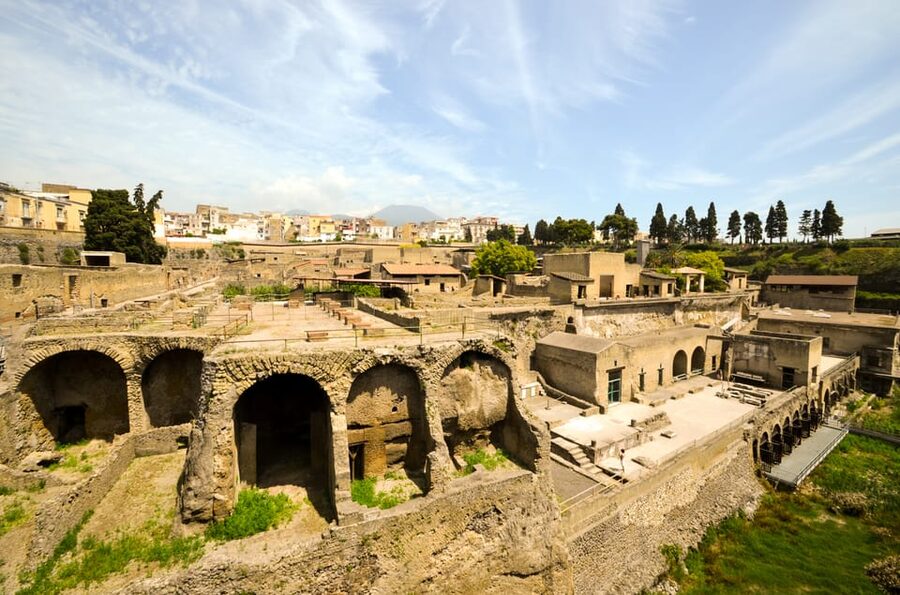
Book it if you want a self-paced way to see one of the most preserved ancient towns in the world. This is a great choice for first-timers to Vesuvius archaeology, especially if you’re considering Pompeii and you want something quieter and more intimate in feel.
Skip it or plan differently if audio is make-or-break for you and you tend to rely on phone apps for everything. If you choose the app option, pre-download, bring headphones, and accept that matching audio to exact spots may take a moment.
If you want the best odds of a smooth day, treat your visit like a calm walk: start early when you can, plan for 2 to 3 hours of focused exploring, then add more time only if you enjoy reading and lingering.
FAQ
How long is the visit with this entry ticket?
The ticket is valid for 1 day, and you can use your time within the site’s daily opening hours.
Where do I redeem my ticket?
Redeem your ticket by showing your mobile voucher at the online ticket desk on site.
Is a guided tour included?
No. This experience includes entry, with an optional audio guide, but it does not include a guided tour.
What audio guide options are available?
You can choose either a digital audio guide app for your smartphone or a physical audio guide device.
What languages are available for the audio guide?
The audio guide is available in English, French, German, Italian, and Spanish.
What are the opening hours in spring and summer?
From March 16 to October 14, opening hours are 9:30 AM to 7:30 PM. Last admission is 6:00 PM, and you must leave by 7:00 PM.
What are the opening hours in fall and winter?
From October 15 to March 15, opening hours are 8:30 AM to 5:00 PM. Last admission is 3:30 PM, and you must leave by 4:40 PM.
What should I wear?
Dress appropriately and wear comfortable shoes.
Is free cancellation available?
Yes, free cancellation is offered, and you can cancel up to 24 hours in advance for a full refund.
Is there a pay later option?
Yes, you can reserve now and pay later.
Recently reviewed around Ercolano
- Herculaneum: Skip-The-Line Entrance Tickets + Audioguide★ 4.7 · 3 reviews
- Herculaneum – Small Group Tour (admission included)★ 5.0 · 14 reviews
- Herculaneum: Private Tour with Driver from Naples★ 4.6 · 15 reviews
- Herculaneum: Private Walking Tour with Archeologist Guide★ 5.0 · 59 reviews
- Herculaneum Archaeological Park smart Audio Tour★ 3.8 · 70 reviews
- Herculaneum Guided Walking Tour with Entry Ticket★ 3.7 · 21 reviews
- Herculaneum: 2hour Shared Guided Tour + entry tickets★ 4.3 · 38 reviews
- Herculaneum: Entrance tickets + audioguide★ 2.7 · 4 reviews
Herculaneum Tours, compared.

Pompeii and Herculaneum Small Group Tour with an Archaeologist
Read our review →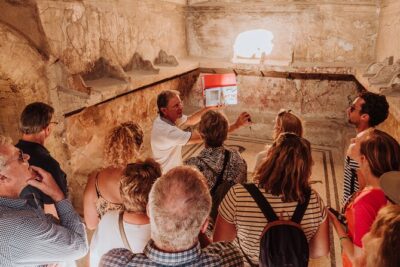
Herculaneum Small Group Tour and Ticket With an Archaeologist
Read our review →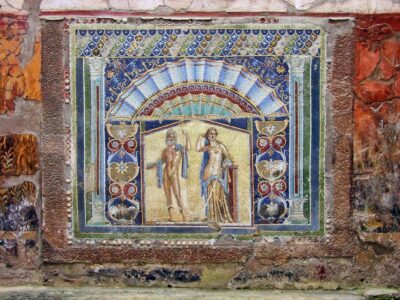

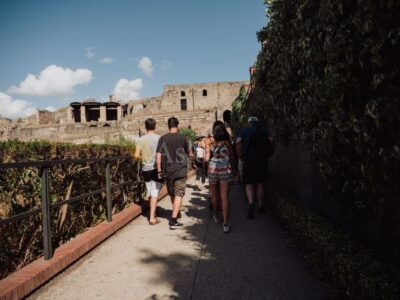
Pompeii & Herculaneum with Archaeologist Guide
Read our review →
Pompeii, Herculaneum, & Vesuvius Full-Day Tour
Read our review →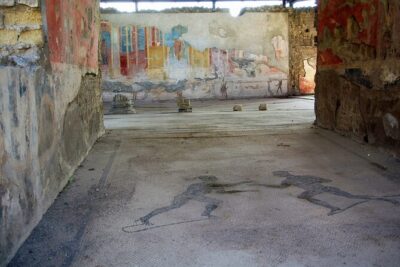
Day Trip of Pompeii, Herculaneum and Vesuvius from Naples
Read our review →Browse the lists this tour appears in