
Reviewed · HERCULANEUM TOURS
From Naples: Pompeii & Herculaneum with Archaeologist Guide
Pompeii and Herculaneum are both famous for what happened when Vesuvius erupted in 79 AD. The cool part of this tour is that you see the same catastrophe from two different places, Herculaneum first, then Pompeii, in one focused day. Herculaneum shows you the “burial” side, while Pompeii shows the “city streets” side.
I like two things a lot. First, you get real context from an archaeologist guide, and you’ll hear details that turn ruins into lived-in places. Guides such as Raphael and Michele (both called out in past groups) are especially good at pointing out small clues. Second, the skip-the-line entry helps you spend more time walking and less time stuck at bottlenecks.
One drawback: this is not a casual stroll. Both sites involve stairs and slopes, and the tour is not recommended for people with limited mobility or wheelchair users.
Key highlights you’ll feel right away
- Small group size (up to 20) keeps the pacing humane and the guide interaction better
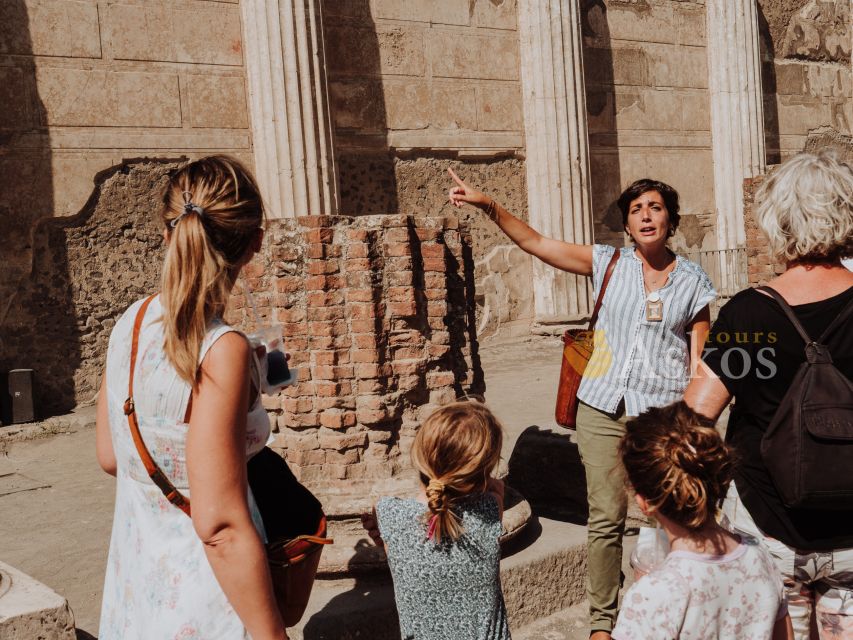
- Archaeologist-led, English-language explanations make the ruins easier to understand
- Skip-the-line ticket entry at both sites saves time at two of Italy’s busiest archaeological stops
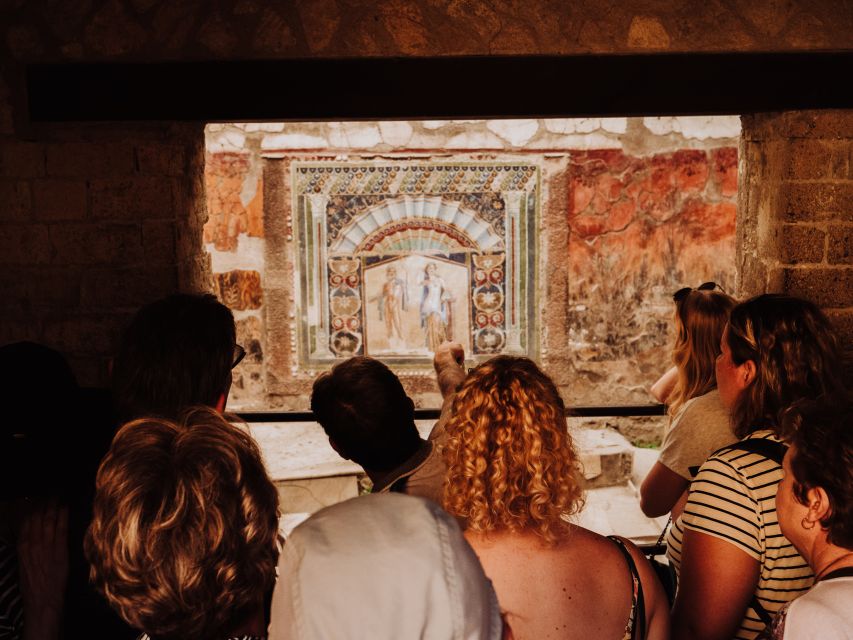
- Herculaneum’s preserved details include carbonized wooden objects, intact paintings, and mosaics
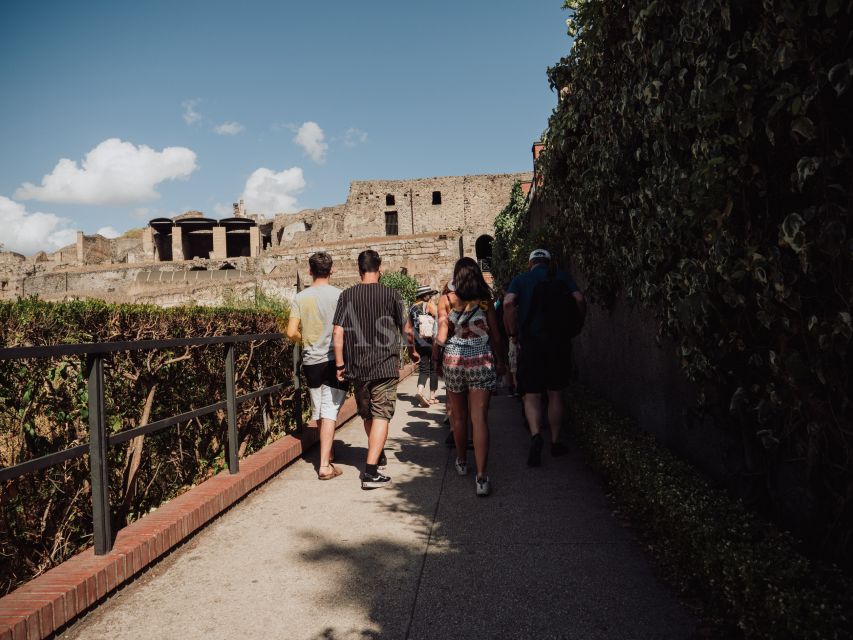
- Pompeii’s “greatest hits” in about 2 hours covers major forum areas, shops, homes, and public buildings
- Modern minibus transfer from Naples with a professional English-speaking driver and a tight, day-trip schedule
Naples pickup at Starhotels Terminus, then straight to Ercolano
The day starts with a meeting point at Starhotels Terminus, right across from Naples station. Look for the guide holding an ASKOS TOURS sign. Once you’re with the group, you board a modern minibus and head out toward the other ancient town first.
Expect about a 45-minute drive before you reach Ercolano, the modern name used near Herculaneum. This order matters. Starting at Herculaneum first gives you the “what preservation looks like” lesson before Pompeii brings you back to a more exposed, street-level city.
You’ll also notice how the tour is built for flow. Transfers are timed, the guide leads you through the sites in a logical sequence, and the driver handles the in-between legs. It’s a straightforward day trip setup, not a slow coach-and-wait affair.
More Herculaneum tours in Naples:
- Herculaneum: Skip-the-Line Guided Tour with Archaeologist
★ 4.8 · 3,439 reviews - Herculaneum Small Group Tour and Ticket With an Archaeologist
★ 5.0 · 994 reviews - Herculaneum: Skip-the-Line Entry Ticket with Audio Guide
★ 4.3 · 870 reviews
Herculaneum: the 20-meter mud burial that preserved daily life
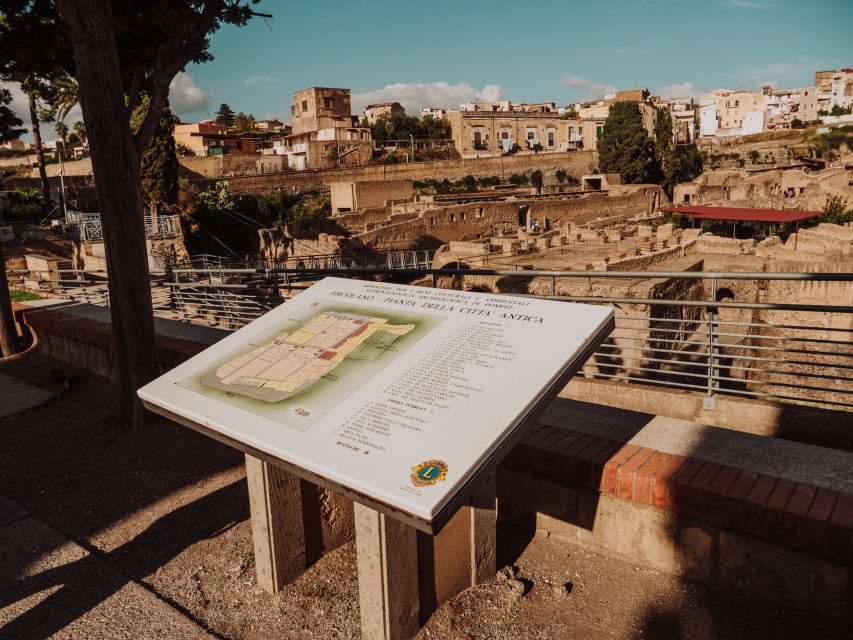
Herculaneum is the reason this tour feels different from a basic Pompeii day. The site was buried under a landslide of mud about 20 meters deep, and the preservation is part of the story. Your Herculaneum time is about 2 hours, guided, on foot.
You’ll see why Herculaneum gets described as unusually “alive” for ruins. Carbonized wooden objects still exist there. Intact paintings survive on walls. Mosaics are preserved where you can actually look closely instead of only imagining what once was.
The guide will usually steer you toward major landmarks such as the Temple of the Augustali and the Thermal Baths. In many groups, the explanations focus on how people moved through public spaces and everyday routines, not just the big monuments.
One of the most memorable stops is the beach area where more than 300 skeletons were found. It’s heavy subject matter, but the guide’s job is to ground it in context, and this is where an archaeologist-led walk helps. You’re not just looking at an exhibit, you’re learning what the burial means for what you can still see today.
Other named highlights you’ll cover include the Forum, the Samnite House, the Gymnasium, and the House of the Dears. If you’re the type who likes details, this is where you’ll appreciate the pace and the focus. Herculaneum is not about “cover everything.” It’s about seeing the parts that explain the place.
Practical note: Herculaneum involves walking on uneven ground and stairs. This isn’t a good fit if you have trouble with steps, even if you’re otherwise energetic. The tour runs rain or shine, so if the weather turns, you’ll want a raincoat and shoes with solid grip.
The calm reset between sites: bus ride, then lunch time in Pompeii

After your Herculaneum visit, you transfer for about 30 minutes to Pompeii. This break in the day is useful. It gives you a moment to regroup before the bigger walking chunk.
You’ll have about 45 minutes at Pompeii for a break. This is your real chance to grab a snack, refill water, and decide how you want to use the rest of your energy. Meals are not included, so plan to purchase something on your own if you want more than a quick bite.
If you’re the planner type, this is also when you should check your phone battery. Pompeii is big, and while the guide is handling the route, having a map or offline notes can help you orient yourself if you like to wander for a minute during breaks.
Skip-the-line entry into Pompeii, then a guided walk through Roman daily life
Pompeii is what most people picture when they hear Vesuvius. You’ll enter with skip-the-line access using the Pompei Express ticket system, then start a guided walk that lasts around 2 hours.
That time window is a sweet spot for most first-timers. Pompeii is enormous, and trying to “do it all” on your own usually turns into stress. Here, you get a targeted route that hits public spaces and recognizably Roman everyday spots.
As you walk, the guide connects the dots on how the town was buried by volcanic ashes from Mount Vesuvius in 79 AD. You’ll also learn the difference between what you can see from the street and what the city reveals through homes, workshops, and community buildings.
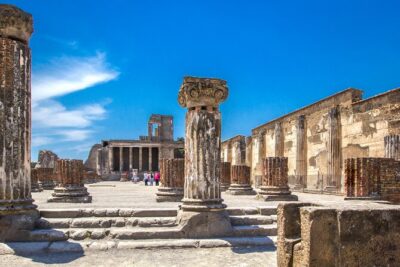
Major Pompeii highlights you’ll hit include the Marina Gate and big public anchor points like the Basilica and Forum. From there, you’ll move into the “life in the city” zone, including places such as the Forum Baths and the Bakery.
For many people, the stops involving leisure and commerce are where Pompeii snaps into focus. You’ll see the Lupanar, often translated as a brothel, plus the Termopolium Capuano, which was a kind of fast-food stop. You’ll also visit the House of Faun and the House of the Tragic Poet.
A unique add-on here is the plaster casts. These help you understand the human scale of the disaster when the original remains are no longer intact in the way your modern brain expects. It’s one of those “words don’t do it justice” moments.
Because the tour is guided, you’re not just reading signage. You’re being told what to notice: layout clues, public versus private space, and how Romans organized daily movement in a city that was both crowded and intensely routine.
More Pompeii tours and tickets in Naples:
- From Naples: Pompeii Ruins & Mount Vesuvius Day Tour
★ 4.3 · 11,459 reviews - Naples or Sorrento: Full-Day Pompeii and Mount Vesuvius Tour
★ 4.6 · 4,235 reviews - Pompeii & Mt.Vesuvius Day Tour from Naples with Pizza Lunch
★ 4.0 · 2,901 reviews - From Naples: Pompeii Skip-the-Line Entry Ticket and Tour
★ 4.4 · 2,753 reviews
Why the archaeologist guide changes everything
With Pompeii and Herculaneum, a guide is not a luxury. It’s what turns “cool ruins” into a readable story.
A few patterns keep coming up in top-rated experiences. Guides tend to focus on small, meaningful details instead of rattling a long lecture. The result is that you remember the city, not just the facts. You might also find the guide answering lots of questions without rushing people.
Names that have shown up in past groups include Raphael, Roberta, and Vito, with Michele also singled out for a strong archaeological background tied to Herculaneum. You can’t pick who you’ll get, but you can choose this tour because the format is built around specialist explanations and active walking.
Group size helps too. The tour is limited to 20 participants, which keeps the walking pace steady and the guide’s attention less diluted. It also makes it easier to stop for a moment and actually look, instead of constantly being pushed forward by the crowd behind you.
Transport, timing, and the day-trip pace you should expect
The tour is scheduled for 7 hours total. The classic flow looks like this: Naples pickup, Herculaneum first, then Pompeii, and back to the meeting point in time for your next plan.
You’ll return to Starhotels Terminus at the end of the experience. That matters because it keeps your logistics simple if you’re using Naples station for onward travel.
The driver is described as professional and English-speaking, and the transfers are done in a modern minibus. You’re not negotiating trains, not hunting for cabs, and not playing the “where is everyone?” game.
One small but important rule: the driver waits for up to 5 minutes if you’re late. So treat the schedule like an appointment, not a suggestion. This keeps the day on track for everyone.
What to pack and how to handle the stairs

Even with a good guide, this is still a walking day. Expect stairs, grades, and uneven surfaces across both sites. Comfortable shoes are non-negotiable.
Bring a passport or ID card. Luggage or large bags are not allowed, so travel light. If you tend to carry a big daypack, you might need to downsize to something small enough to be practical in a group.
Weather should not surprise you. The tour runs rain or shine, so a raincoat is worth it. If it’s hot, bring water and consider a hat, since both sites give you lots of sun exposure.
If you’re with a baby, baby seats are available upon request. That’s useful to know if you’re traveling with family and need the right setup.
Price check: is $168.79 worth it?
At $168.79 per person, this is not a budget filler. But it also isn’t just you paying for a ride.
Your money covers shared minibus transport, an archaeologist guide, and admission help at both sites. The tour includes the Pompei Express entrance ticket for Pompeii and the Herculaneum entrance ticket (listed as €16 each), plus tolls and parking.
Here’s why that can be a good value. Pompeii is famous for lines. When you buy skip-the-line access as part of a guided route, you reduce the biggest time sink of all: waiting. You also save mental energy, because your tickets and entry method are handled for you.
You do give up one thing: meals are not included. That means you may spend extra at lunch unless you bring something you can buy nearby. If you want to keep costs predictable, plan for the lunch break and bring water.
If you’re choosing between a DIY day and this guided combo, think about your goal. If your goal is to understand what you’re seeing and save time, this is a solid pick. If your goal is maximum freedom to wander slowly for half a day in each corner, DIY might suit you better. Most first-timers do better with the structure.
Should you book this Pompeii and Herculaneum day trip?
Book it if you want a smart, efficient day that balances big sights with real interpretation. This tour’s biggest strengths are the archaeologist-led explanations and the skip-the-line entry at both sites, which keeps you from burning your hours on queues and wandering without a plan.
Skip it if stairs and uneven walking are a problem for you. Also skip it if you hate group pacing. Even at a small group size, you are still moving with the group and the guide’s schedule.
If you’re on the fence, remember this: Pompeii alone can swallow an entire day. Adding Herculaneum first gives you the preservation story and makes the disaster feel more complete. For many people, that back-to-back comparison is the whole point of coming in the first place.
FAQ
How long is the Pompeii & Herculaneum tour from Naples?
The tour duration is 7 hours. Starting times vary, so you’ll want to check availability for your preferred day.
Where do we meet in Naples?
Meet in front of the STARHOTELS TERMINUS entrance, located opposite the station. Look for the guide holding an ASKOS TOURS sign.
Where does the tour end?
The tour ends back at the same meeting point, STARHOTELS TERMINUS.
Is the tour guided, and what language is it in?
Yes. It includes a live English-speaking guide with an archaeologist-style focus.
Is it a small group?
Yes. The tour is limited to a small group of up to 20 participants.
Are entrance tickets included, and is there skip-the-line access?
Yes. The tour includes Pompei Express entrance ticket access and the Herculaneum entrance ticket, both with skip-the-line entry.
Is lunch included?
No. Meals are not included. There is a break for lunch during the Pompeii portion of the day.
Can I bring luggage or large bags?
No. Luggage or large bags are not allowed.
What should I bring?
Bring a passport or ID card. If weather is bad, bring a raincoat since the tour runs rain or shine.
Is the tour suitable for wheelchair users or limited mobility?
No. It is not suitable for wheelchair users and is not recommended for people with limited mobility.
Recently reviewed around Naples
- From Naples: Pompeii & Mount Vesuvius Full-Day Private Tour★ 4.5 · 4 reviews
- Pompeii with Wine Tasting Private Tour★ 4.7 · 6 reviews
- Pompeii, Amalfi, Ravello Day Tour with Private Transfer★ 5.0 · 3 reviews
- Ruins of Pompeii & the Amalfi Coast: Full-Day Private Tour★ 5.0 · 7 reviews
- Pompeii and Herculaneum: Private Tour from Naples★ 4.6 · 12 reviews
- From Naples: Pompeii Private Tour with Transfer and Guide★ 4.7 · 23 reviews
- Pompei: Private tour of Pompei and Vesuvius from Sorrento★ 5.0 · 8 reviews
- Pizza lesson★ 5.0 · 3 reviews
Herculaneum Tours, compared.

Pompeii and Herculaneum Small Group Tour with an Archaeologist
Read our review →
Herculaneum Small Group Tour and Ticket With an Archaeologist
Read our review →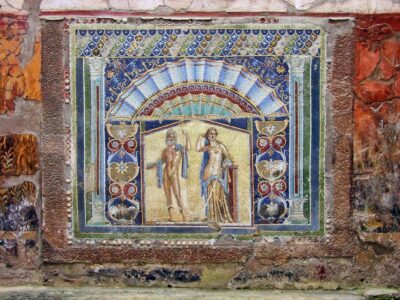


Pompeii, Herculaneum, & Vesuvius Full-Day Tour
Read our review →
Ercolano: Herculaneum Entry Ticket with Optional Audio Guide
Read our review →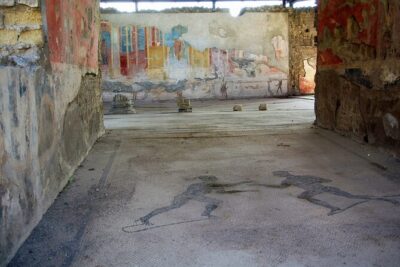
Day Trip of Pompeii, Herculaneum and Vesuvius from Naples
Read our review →Browse the lists this tour appears in