
Reviewed · HERCULANEUM TOURS
2-Hour Private Tour of the Ruins of Herculaneum
Herculaneum hits different than Pompeii because the town is not just ruined, it is frozen in time by the 79 AD eruption. You walk through a Roman world preserved under ash, with daily life, art, and even human remains made visible by archaeology.
Two things I really like about this tour are the focus on major sights in a compact site and the presence of an expert private guide who ties it all together with clear, human-scale stories. The main drawback to consider is that it is only about 2 hours, so if you want a slow, long wander with lots of optional stops, the schedule may feel tight for the price.
Key highlights at a glance
- Private guide, curated pace through Herculaneum’s most important areas
- Skip-the-ticket-line entry at the Archaeological Park
- Grande Palestra (Big Gym) where you can feel like you are reading the volcanic evidence
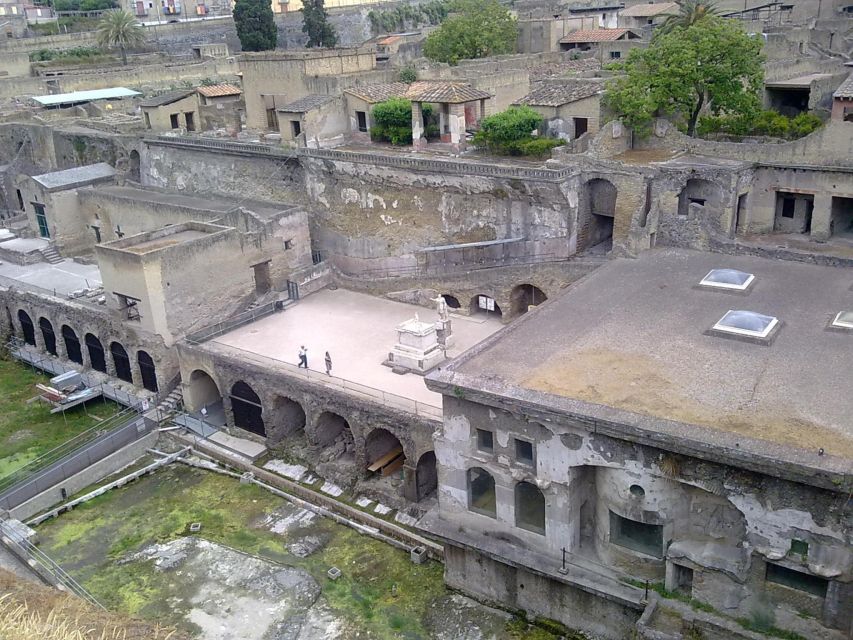
- Marina area finds where about 300 skeletons were discovered, plus a boat display on weekends
- House of the Albergo garden revival with quince trees replanted based on ancient carbonized roots
- Villa dei Cervi for the big finish, with luxurious mosaics, frescoes, and statues
Why Herculaneum Feels Like Time Travel
Herculaneum is often called Pompeii’s smaller sister, but that label sells it short. This is one of those rare ruins where the layout still makes sense as a town, and the decoration still looks like decoration, not just rubble.
The volcano did something brutal and weirdly helpful for archaeologists. It sealed the city under ash, then kept it there for centuries, until the site was uncovered. That is why you can stand close to things that were still part of life in 79 AD, like mosaic floors and wall art.
If you have already seen Pompeii, I love how Herculaneum helps you compare. Pompeii can feel like a broad sweep of streets and buildings. Herculaneum feels more intimate, more “this is how people really lived here,” because so much detail is preserved.
More Herculaneum tours in Herculaneum:
- Herculaneum: Skip-the-Line Guided Tour with Archaeologist
★ 4.8 · 3,439 reviews - Pompeii and Herculaneum Small Group Tour with an Archaeologist
★ 5.0 · 1,350 reviews - Herculaneum Small Group Tour and Ticket With an Archaeologist
★ 5.0 · 994 reviews
Private Guide and the Simple Entry Plan
This is a true private-group tour, so you are not squeezed into a big herd. Your guide meets you at the only ticket office at Herculaneum Archaeological Park, holding a sign with your name, and the tour ends back at that same meeting point.
You also get admission included and skip the ticket line. That matters at Herculaneum, because the time you save is time you can spend looking closely at small details, not staring at a queue.
Languages are a strong point: the live guide can be Spanish, English, French, or Italian. In my experience, having the guide in your language changes everything at archaeological sites, because you can ask questions without guessing.
One other practical note: the tour is listed as not suitable for wheelchair users or people with mobility impairments. The site involves walking through uneven archaeological areas, so plan accordingly and wear shoes that give you grip.
Getting Your Bearings: What You See in the First Minutes
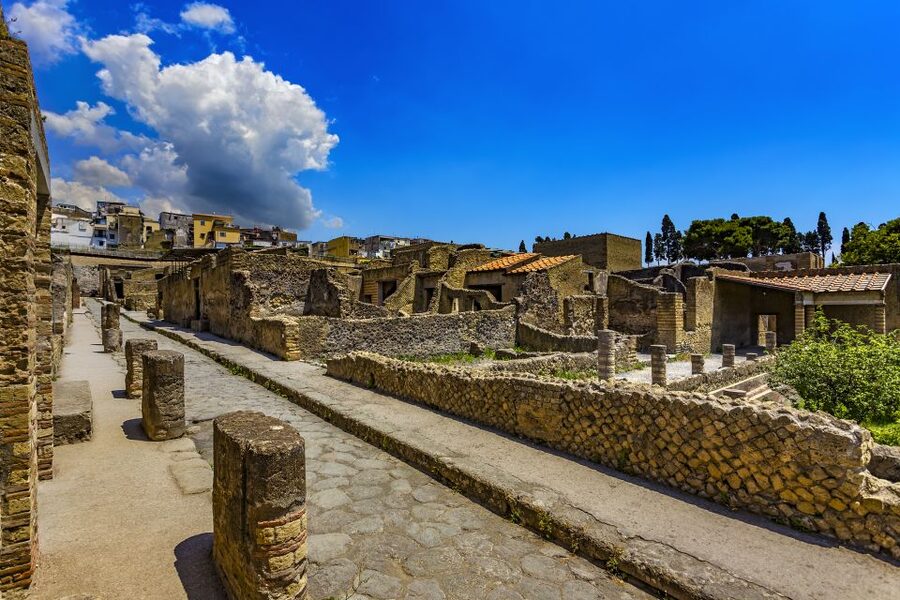
Right away, you can appreciate why archaeologists keep returning to Herculaneum. The ancient town sits at the bottom of a large archaeological “hole,” about 75 feet deep, so the site has that layered, excavated feel. You are literally standing above the preserved ground level from two thousand years ago.
Early on, your guide frames what volcanic burial means in real terms. You are not just looking at artifacts. You are seeing the outcomes of rapid burial and then long storage, which is why so many surfaces survived in recognizable form.
If you are the kind of person who likes to connect art to daily life, this tour makes that easy. You go beyond big photo spots and get specific explanations about rooms, functions, and what the artworks suggest about status and routine.
The Marina Finds and the Shock of the Human Evidence
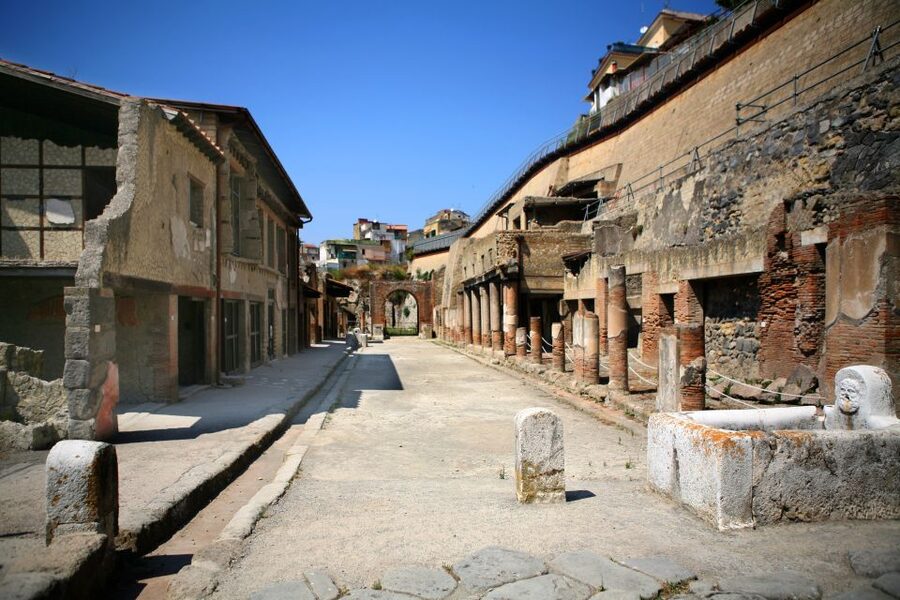
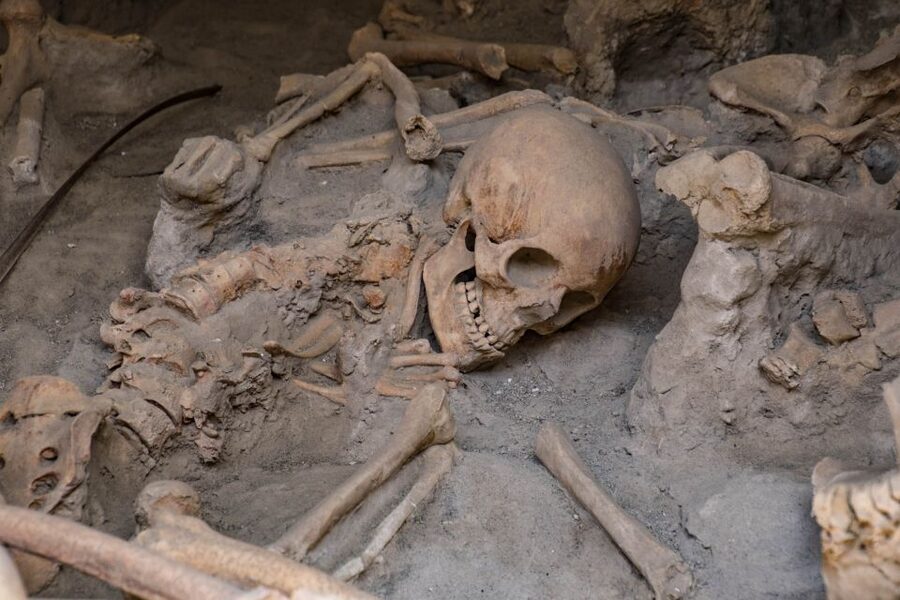
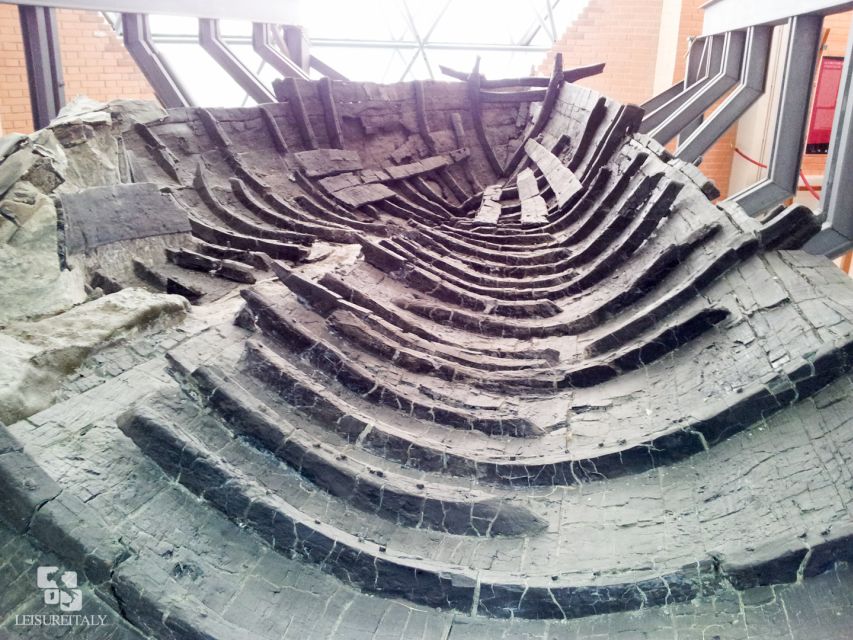
One of the most memorable parts is the marina area. This is where around 300 human skeletons were found, along with a boat that is displayed on weekends.
Even when you know the basics of Vesuvius, seeing the discoveries in this setting changes the scale. It is not abstract. You are in the place where people tried to act, and you are looking at the physical record of what happened when escape did not work.
A good guide helps you interpret what you see without sensationalizing it. You learn that archaeology can be both a detective story and a reminder of real lives cut short. If this subject matter feels heavy, it helps that the tour keeps moving, with other stops that balance the darker finds with everyday design and craftsmanship.
More private tours in Herculaneum:
- Private Day Tour to Vesuvius, Herculaneum & Pompeii with Pick Up
★ 5.0 · 279 reviews - Herculaneum 2-Hour Private Guided Tour
★ 4.9 · 139 reviews - Herculaneum Private Tour with an Archaeologist
★ 5.0 · 132 reviews - The Ultimate Ruins of Pompeii and Herculaneum Private Day Trip
★ 5.0 · 103 reviews
Quince Trees in the House of the Albergo Garden
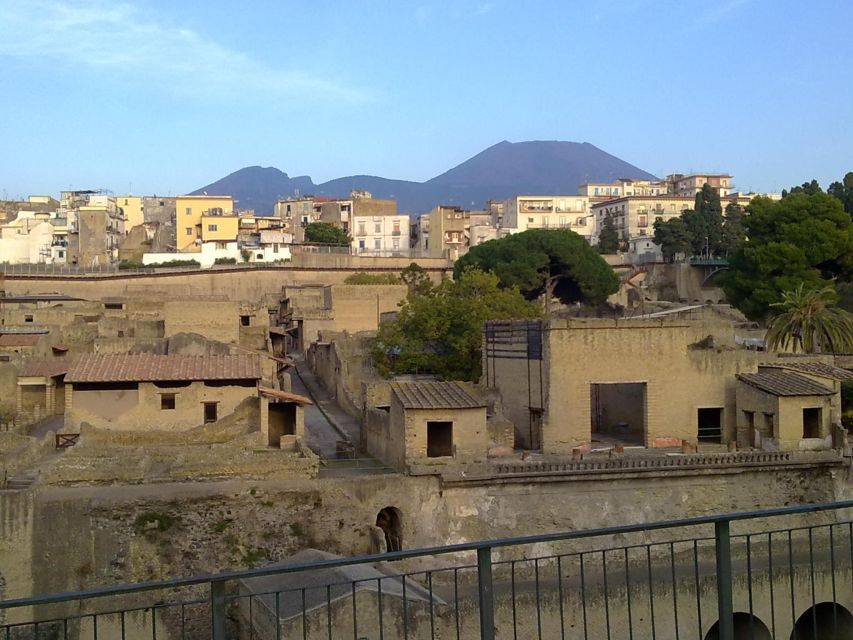
After the marina evidence, the tour shifts into a calmer, more surprising kind of discovery: food and farming details.
You visit the garden connected to the House of the Albergo, where quince apple trees have been reintroduced. The reason is specific and grounded in evidence, not guesswork. Carbonized roots of the ancient fruit tree were found, and those findings supported bringing the plant back into the garden.
I like stops like this because they stop the “ruins only” mindset. Art and architecture are part of the story, but so is agriculture, cooking, and what people planted. Seeing the restored garden makes the ancient city feel less like a museum display and more like a working place that used food and seasons.
If you enjoy plants, Roman daily life, or you just like practical details, this garden segment tends to be one of those stops where you look at things longer than you expected.
Council Hall of the Augustali and Frescoes of Hercules
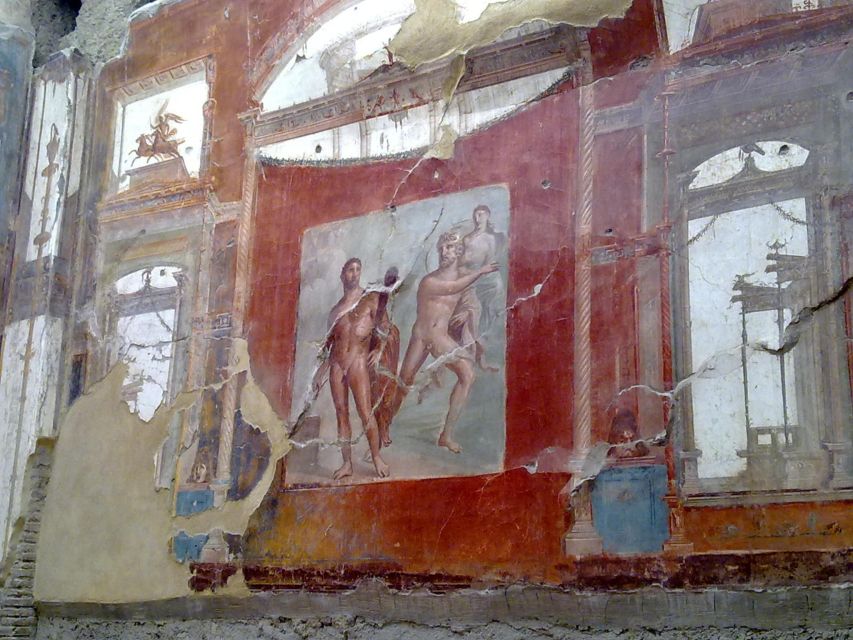
Next comes the Council Hall of the Augustali, a room connected with civic and religious identity. The highlight here is the frescoes, including depictions of Hercules.
Frescoes survive best in certain conditions, so the fact that you can see them at all gives you a stronger sense of the beliefs and symbolism people used to shape public and private space. Hercules is not a random pick. Your guide helps connect the image choices to what mattered to the community that lived here.
This is also a good point in the tour to ask questions. A private guide can explain small iconography details in a way that large group tours often skip, because everyone is trying to keep up.
Mosaic Floors, Neptune and Amphitrite, and the Store Wall Finds
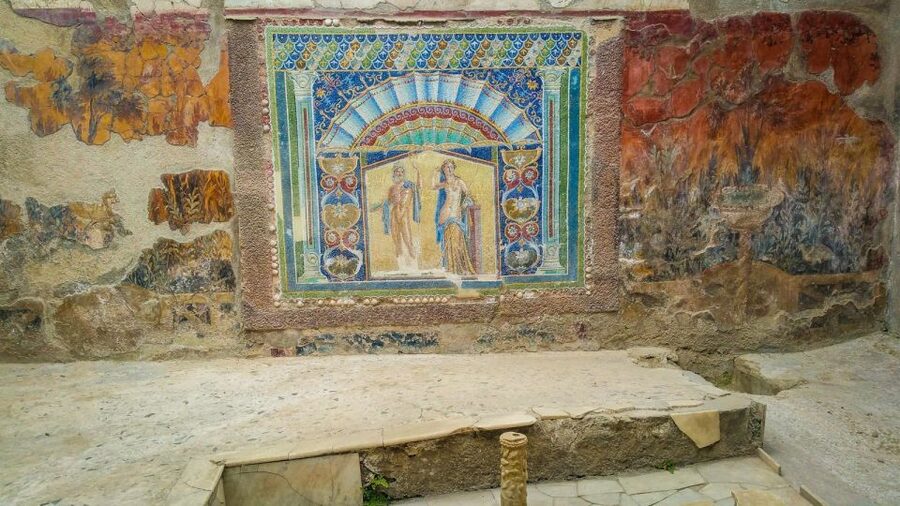
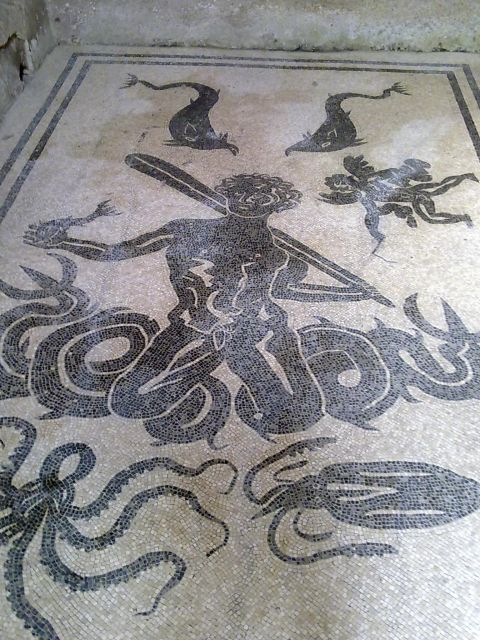
The tour then highlights the House of Neptune and Amphitrite for mosaics. Roman mosaics are not just decoration. They often signal wealth, education, and the taste of the household. Here, you get to see how the design and the themes work together across floors.
After that, you visit a neighboring store area with food and wine containers whose surfaces were carbonized by the volcano. The containers are still shown hanging on the walls, which is a striking detail. It is one thing to read about volcanic effects, and another to stand in a room where everyday storage objects survived in position.
What I find useful here is how the guide connects the ruin to habits. You learn where people stored supplies, how they organized space, and what kind of products a household might have stocked.
Grande Palestra (Big Gym): Reading Volcanic Evidence Like a Pro
One of Herculaneum’s most atmospheric stops is the Grande Palestra (Big Gym). The tour leans into the feeling of being an archaeologist, not just a visitor.
This is where you can start noticing how the volcanic burial shaped what was preserved. Your guide’s job is to point out the clues you might otherwise miss, like where surfaces appear intact, how certain areas retain clearer shapes, and what that suggests about the way ash settled and hardened.
If you love Roman public life, gyms, or the “how did they train and live” side of ancient culture, this is the segment that often feels most hands-on.
The Roman Spa: Mosaics Still Mark Heat, Gym Life, and Cold
Then you get to the spa, still covered with mosaics associated with the Roman sauna, gym spaces, hot rooms, and cold tubs.
This part is smart because it teaches you to read the building. Roman bathing and training were a system, not just one room. Even from the ruins, you can understand the sequence and the purpose of different areas when your guide explains it clearly.
I also like that mosaics here are not treated as a pretty extra. They become functional markers of how the spaces were used. Standing in these areas makes the Roman concept of bathing feel less like a vague tradition and more like a routine with distinct stages.
Villa dei Cervi: Where Wealth Shows Up in Mosaics and Statues
For the big finale, you visit Villa dei Cervi, described as Herculaneum’s most spectacular villa. This is the place where you see luxury at full scale, with mosaics, frescoes, and statues.
When a villa like this is preserved well, it does more than impress your eyes. It helps you understand how wealth shaped taste and space. The artworks and decorative elements show what the wealthy wanted visitors to notice, and what they probably wanted to feel themselves, when hosting guests or enjoying private time.
This is also a good closer because it gives your brain a confident “wrap-up” feeling. After the evidence of sudden disaster and the everyday detail of houses and stores, you end with the art and grandeur that represent life at the top end of society in that town.
How Much Time You Really Have (And How to Use It)
The tour is designed for 2 hours, and Herculaneum is compact enough that you can still cover major highlights. The upside is focus. You do not waste the visit drifting.
The trade-off is tempo. At this price point, you should be honest with yourself about what you want. If your ideal day at ruins is 3, 4, or more hours of wandering and lingering, this may feel like a fast pass that spends less time than you would like per stop.
That said, the tour’s structure helps you see a lot without turning the visit into a sprint. A good private guide can adjust pacing, depending on whether you want more art time at mosaics or more explanation time at the volcanic evidence.
A practical strategy for your day: if you are combining sites, doing Herculaneum after a Pompeii morning can work beautifully. You get two different “Vesuvius stories” in one trip, with enough time gap to compare without exhausting yourself.
Price and Value: What You Get for $167.66
The listed price is $167.66 per person for a 2-hour private tour, and it includes the private guide plus admission. On paper, that sounds steep, but value depends on what you personally get out of private guiding.
For me, the private guide is the whole product here. Without a guide, you can still enjoy ruins, but you may miss the “why” behind what you are seeing, especially with fresco themes, mosaic meaning, and the story of the storage objects and spa layout. At Herculaneum, those details make a huge difference.
The other value factor is time. Skip-the-ticket-line helps. You avoid losing part of your short window to paperwork and queues. If you are visiting in peak season or on a tight schedule, that can be worth real money.
Where value can feel weaker is if you are expecting a long, leisurely tour. If you prefer slow and deep and you want to stop for snacks, this might not match your style.
Practical Tips for Comfortable Shoes and Better Photos
Bring comfortable shoes. The site is a ruin, and you will be doing real walking on uneven archaeological ground.
Plan for small personal storage. Luggage or large bags are not allowed, so travel light. If you have bulky items, you will want to resolve that before you arrive.
If you care about photos, remember you are in an archaeological space where you may need to keep moving. A guide can also help you find the best viewing angles faster, so you are not wasting time walking back and forth.
Lastly, if you are interested in the marina boat display, keep your day in mind. The boat is noted as on display at weekends. Your guide can also help you understand what will be visible during your specific visit.
Should You Book This Herculaneum Private Tour?
Book it if you want a high-quality guided visit with a tight, efficient path through the most important parts of Herculaneum. This tour is ideal if you like mosaics and frescoes, you enjoy how a guide interprets a site, and you want to cover big highlights without turning the day into a long ordeal.
Think twice if you need hours to slow down, read every surface on your own, or you are traveling with mobility limitations, since the tour is not suitable for wheelchairs.
If you are comparing Roman sites after Pompeii, this private format is a smart way to get a second perspective without losing the plot. You will come away with a clearer picture of Herculaneum as a town, not just a list of ruins.
FAQ
How long is the private tour of the Ruins of Herculaneum?
The tour lasts 2 hours. You can check availability to see starting times.
Where do we meet, and where does the tour end?
Your guide will hold your name on a sign at the only ticket office in Herculaneum Archaeological Park. The tour ends back at the meeting point.
What languages are available for the private guide?
The live tour guide is available in Spanish, English, French, and Italian.
What is included in the price?
The tour includes a private guide and the admission fee.
Does this tour skip the ticket line?
Yes, skip-the-ticket-line entry is included.
What should I bring, and what is not allowed?
Wear comfortable shoes. Luggage or large bags are not allowed.
Is this tour suitable for wheelchair users or people with mobility impairments?
No. The tour is not suitable for wheelchair users or people with mobility impairments.
What is special about visiting on the first Sunday of each month?
Entrance is free of charge on the first Sunday of each month, but tickets cannot be reserved ahead of time, so entry is not guaranteed.
Recently reviewed around Herculaneum
- Pompeii and Herculaneum: Private Tour from Naples★ 4.6 · 12 reviews
- Pompei: Vesuvius and Herculaneum Tour★ 4.2 · 14 reviews
- Pompeii & Herculaneum Tour with an archeologist★ 4.3 · 3 reviews
- Naples: Pompeii and Herculaneum Private Walking Tour★ 5.0 · 64 reviews
- Naples: Herculaneum Entry Ticket with Digital Audio Guide★ 4.0 · 14 reviews
- Herculaneum: Skip-The-Line Entrance Tickets + Audioguide★ 4.7 · 3 reviews
- Herculaneum – Small Group Tour (admission included)★ 5.0 · 14 reviews
- Herculaneum: Private Tour with Driver from Naples★ 4.6 · 15 reviews
Herculaneum Tours, compared.

Pompeii and Herculaneum Small Group Tour with an Archaeologist
Read our review →
Herculaneum Small Group Tour and Ticket With an Archaeologist
Read our review →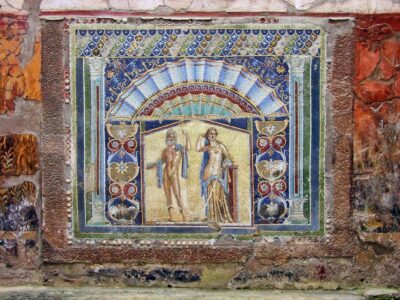
Pompeii & Herculaneum with Archaeologist Guide
Read our review →
Pompeii, Herculaneum, & Vesuvius Full-Day Tour
Read our review →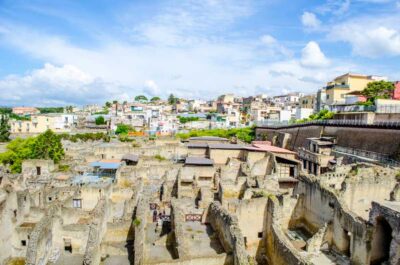
Ercolano: Herculaneum Entry Ticket with Optional Audio Guide
Read our review →Browse the lists this tour appears in