

Reviewed · POMPEII TOURS
Pompeii: Skip-the-Line Ticket and Guidebook with Itineraries
Pompeii is one of those rare places where you walk through ancient streets and still feel the shock of what happened when Vesuvius erupted. This experience is interesting because it helps you get into the archaeological park faster, then lets you explore on your own schedule with a guidebook and updated map.
I like the clear self-guided format, with 2, 4, or 6-hour itineraries you can match to your energy level. I also like that the materials stay with you as a souvenir, so you get something practical to use inside the ruins and a keepsake afterward. The main drawback to consider is that this is not set up like a live, spoken tour. You are using a guidebook, and if you expect someone talking you through every stop, you may feel a bit disappointed.
Key Points You Should Know Before You Go
- Skip-the-line entry into Pompeii (enter between 9AM and 5PM)
- 2, 4, or 6-hour itineraries to help you pace your visit
- Updated Pompeii map so you can actually navigate the site on your own
- The big highlights are on your route, including the amphitheater, victim casts, frescoed houses, baths, temples, theaters, and the Thermopolis
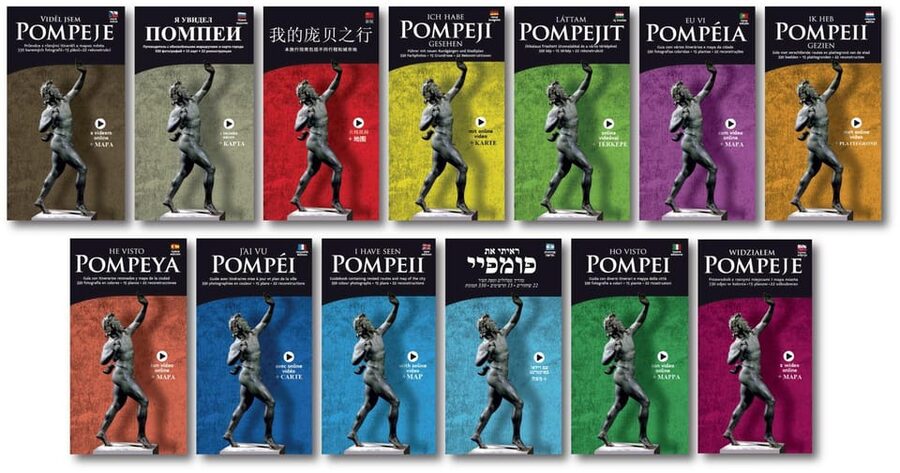
- Guidebook in up to 13 languages, available in English, Italian, Spanish, and French
- Plan a little time for paper tickets and wayfinding, since you may need a quick pickup step before you re-enter
Skip-the-Line Entry and Why It Matters at Pompeii
Pompeii is busy. Even if you plan well, time can disappear fast once you factor in lines, security, and the simple reality that you need your brain functioning for walking among ruins. The big win here is the skip-the-line ticket, which is designed to get you through the gate workflow with less waiting.
What that means for your day is freedom. You are not forced into someone else’s pace, and you can decide whether you want to linger at the amphitheater seats, stop for another look at the plaster casts of the victims, or circle back to a frescoed doorway because you noticed something new. When the site is crowded, that flexibility is not just nice, it protects your experience.
One more thing I appreciate about skipping the line is psychological. You step into Pompeii feeling like you actually have time for the place. At the end of the day, that matters as much as the sights themselves.
More Pompeii tours and tickets in Pompei Campania:
- Pompeii: Entry Ticket and Guided Tour with an Archaeologist
★ 4.8 · 19,459 reviews - Pompeii: Small Group Tour with an Archaeologist
★ 4.8 · 12,264 reviews - Pompeii: Skip-the-Line Entrance Ticket with Audio Guide
★ 4.0 · 2,509 reviews
Where to Meet and How to Enter the Archaeological Park
You will meet the team outside their office, usually with blue and yellow jackets. The practical part is knowing where to go first: the information point is at VIA ROMA 123, POMPEI. Once you check in by showing your voucher, you will be directed to the entry.
The entrance to use for your reservation is Piazza Anfiteatro. That detail is worth saving in your phone notes, because Pompeii has multiple entry points and you do not want to waste the first 20 minutes walking in circles.
Bring an ID card or passport, since you may be asked to verify details at check-in. And since this is a walking day, wear comfortable shoes. Pompeii is not the place for slick soles or blister-prone sandals.
Tip from real-world experience: if your setup includes any kind of paper ticket pickup step near the area, give yourself a small buffer. One traveler described needing to step out and then re-enter security after collecting printed materials. That is not something you want to rush, so plan to arrive with time to spare.
Your Self-Guided Plan: 2, 4, or 6 Hours That Actually Fits
This is a self-guided experience built around a guidebook with itineraries in different lengths: two hours, four hours, or six hours. You get an updated map too, and the whole idea is to help you choose what you see without turning your day into one long sprint.
Here is how I’d use that structure. If you have limited time, the shorter plan is best for hitting the headline scenes, the kind that give you Pompeii’s core story quickly. If you have half a day, the four-hour itinerary usually makes more sense because it gives room for the quieter moments: frescoed interiors, shopfronts, and the shock-and-sobering presence of the victims’ casts. If you love Roman daily life and want more than the obvious stops, go with the six-hour path and treat it like a real exploration.
The map is a key part of why this works. Pompeii has enough turning streets and adjacent spaces that it is easy to feel lost without a visual guide. With the map, you can keep moving while still making sense of where you are.
And because the guidebook remains with you afterward, you can take your time inside without worrying you will “forget” what you read. Use it in the ruins, then keep it as a souvenir when you get back.
Must-See Stops: Amphitheater, Victim Casts, and the Core Story
If Pompeii is your goal, you want the stops that immediately explain why the place is so famous. In this experience, those essentials are built into what you are likely to look for as you follow the guidebook.
The amphitheater is one of the best-preserved Roman amphitheaters, and it changes the scale of the site. Standing where the audience once sat makes it easier to picture the city as a working entertainment hub, not just a museum of stone.
Then there are the plaster casts of the victims. This is the emotional center of Pompeii. The ruins can look almost cinematic until you see the casts, which reduce the distance between you and the people caught in the eruption. Even if you’ve heard the story before, seeing them in person hits differently.
A good approach is to spend a little longer than you think you need at these “anchor” points. When you understand them early, the rest of the walking feels connected. Without that, you can end up bouncing between rooms and streets without fully grasping the city’s layout and rhythm.
A few more Pompei Campania trips worth comparing
- Pompeii: Skip-the-line-Ticket and Guided Tour
★ 4.6 · 1,152 reviews - Pompeii: Guided Tour with Skip-the-Line Entry
★ 4.9 · 812 reviews - Pompeii: Skip-the-Line Entry Ticket with Digital Guide App
★ 4.1 · 770 reviews - Pompeii: Tour with Archaeologist Guide & Skip-the-Line Entry
★ 4.5 · 478 reviews
Frescoed Houses, Spas, Temples, and Shops: Seeing Wealth and Routine
Pompeii’s power is how ordinary life sits beside catastrophe. This is where frescoed homes, public spaces, and small businesses work together in your head.
You will have the chance to look for frescoed houses, which show you how decorative art lived inside private spaces. Pay attention to what you see at eye level and at entryways. Frescoes were meant to be seen in daily movement, not just admired from afar.
Spas and temples add another layer. Roman life was social, scheduled, and ritualized, even for people who were not rich. Baths and public areas help you understand daily habits, while temples and religious spaces remind you that beliefs were part of the city’s rhythm.
Shops and street-level details also matter because they help you stop thinking of Pompeii as one big ruin. You are stepping through a place with trade, routine, and neighborhoods. Even without a live guide, the guidebook format helps you connect the dots as you walk.
One practical note: when a site includes lots of small rooms and streets, your brain can get overloaded. That is why having a defined itinerary length helps. You choose how deep you want to go, then let the map guide your feet instead of forcing your memory to do all the work.
Thermopolis, Theaters, and Brothels: The Places That Feel Most Human
Pompeii is not only grand architecture. It also includes places tied to everyday cravings and social life. This experience highlights spots like the Thermopolis, theaters, and brothels, which are some of the most “human” parts of the city.
The Thermopolis is especially interesting. It was a kind of coffee-fast food of the time, meaning a place for hot drinks and quick meals rather than a long, formal sit-down experience. When you see it, you start to realize how hunger and routine worked in a Roman city, not just how people admired art and statues.
The theaters add contrast. Entertainment was a big part of public life, and Pompeii’s preserved spaces help you picture crowds gathering for performances. Again, the value here is that you can pause, look around, and let your imagination do the rest.
Brothels are uncomfortable to talk about, but they are part of the city’s social map. Seeing them in context helps you understand Pompeii as a whole ecosystem, not an edited version of history. If you approach these areas without rushing, they tell you a lot about how people interacted.
This is also where self-guided exploration can shine. With the guidebook, you can decide how long you want to linger on these more personal, story-driven sites.
Timing Tips: Getting the Most From 9AM to 5PM
You can enter Pompeii anytime between 9AM and 5PM, and the guidebook itineraries are meant to help you structure that window. That flexibility is great, but it can also lead to a common mistake: arriving late, then trying to cram the whole city into too few hours.
If you want the ruins at a more comfortable pace, start earlier in the day. Your legs and attention will thank you, and it helps you avoid the kind of crowd pressure that makes small details harder to notice.
Also, be realistic about walking time. Even if you choose a shorter itinerary, Pompeii is big enough that you will spend time moving between areas. If you are the type who likes reading and stopping to look closely, choose the longer plan. One guidebook-based approach that worked well for a traveler was making sure they had at least four hours, since that allows you to see the major highlights without feeling chopped up.
Plan for breaks too. You do not need a long rest, but you do need water and a moment to reset. Food and beverages are not included in this experience, so bring your own plan for that, based on your preferences.
What You Really Get for $41: A Value Check
At $41 per person, you are paying for three core things: skip-the-line entry, a guidebook, and a Pompeii map with itineraries. The guidebook is the real value add, because it is more than a brochure. It is structured to help you plan a route of two, four, or six hours, and it stays with you after your visit.
Think of it like this: the entrance ticket gets you in, but the guidebook helps you get meaning out of what you see. Without that, you can still enjoy Pompeii, but you may miss the connections between streets, public spaces, and the places that tell Pompeii’s story.
The guidebook also comes in multiple languages, translated into up to 13 languages, including English, Italian, Spanish, and French. If you are traveling as a mixed-language group, this matters because everyone can follow along in their own language.
Where the value can feel weaker is if you wanted a live, spoken guide. This setup is built for independent exploring. You might still learn a lot, but it will come from reading the guidebook and using the map, not from real-time narration.
Who This Works For (And Who Might Want a Different Style)
This experience is a smart fit if you like control. You want to walk at your pace, choose where to linger, and avoid group timing pressure. The guidebook itineraries make it easy to decide how much Pompeii you want to experience without turning the day into guesswork.
It also works well if you travel with someone who wants to move together but not necessarily match a tour leader’s rhythm every minute. The map and book give you a shared reference point while still leaving room for personal interests.
You may want a different format if you expected a human guide leading you through the ruins. The structure here is independent, and the disappointment comes from that mismatch. If you want someone to answer questions on the spot or explain every stop out loud, you will likely find this style less satisfying.
Bottom line: if you like to explore with a plan and you are comfortable reading while you walk, this is an excellent way to see Pompeii without burning your day in lines.
Should You Book This Pompeii Ticket and Guidebook?
I’d book it if you want skip-the-line access plus a practical, multi-language guidebook that helps you manage Pompeii on your own terms. It is especially worth it if you can give yourself four hours or more, because that is when the guidebook structure really pays off.
Skip it if you are looking for a live guided lecture inside the ruins, since this experience is centered on self-navigation. Also, if you hate navigating without signage and you do not like maps, do not assume you will be guided turn-by-turn. Bring your phone map, save the entry point, and lean on the updated map included in the package.
If you do choose it, arrive with time to handle any paper ticket pickup step, keep your ID handy, and wear shoes you trust. Pompeii rewards the slow gaze, and this setup is designed to help you give it to the place.
FAQ
How long is the Pompeii ticket and guidebook experience?
It is a 1-day visit. The guidebook includes itineraries designed for about two, four, or six hours.
What time can I enter Pompeii?
You can enter the archaeological park from 9AM to 5PM.
Do I get to enter through the regular lines?
No. This includes a skip-the-line ticket for entry.
Where do I meet the staff?
Meet the team outside the office, usually with blue and yellow jackets. The information point is at VIA ROMA 123, POMPEI.
Which entrance should I use for my reservation?
The entrance for your reservation is Piazza Anfiteatro.
What is included with the price?
You get the skip-the-line ticket, a guidebook with itineraries, and a Pompeii ruins map.
What do I need to bring?
Bring a passport or ID card. Wear comfortable shoes and dress appropriately for walking.
Are food, drinks, or transportation included?
No. Food and beverages, plus transportation, are not included.
Recently reviewed around Pompei Campania
- Pompeii, Herculaneum, and Vesuvius: Full-Day Tour★ 3.7 · 21 reviews
- Pompeii Guided Tour with Archeologist★ 4.9 · 19 reviews
- Pompeii Guided Tour with Archaeologist★ 4.6 · 27 reviews
- Pompeii, Herculaneum and Vesuvius Tour★ 3.4 · 9 reviews
- Pompeii: 2H group guided tour with a certified guide★ 3.4 · 8 reviews
- Pompeii: Guided Tour & Skip the Line Ticket★ 4.9 · 8 reviews
- Pompeii : 2h small group tour with an archeologist★ 4.8 · 5 reviews
- Pompeii: Family-Friendly Augmented Reality Tour with Ticket★ 3.6 · 5 reviews
Pompeii Tours, compared.

Entry Ticket and Guided Tour with an Archaeologist
Read our review →


Pompeii Small Group Tour with an Archaeologist
Read our review →
Naples or Sorrento: Full-Day Pompeii and Mount Vesuvius Tour
Read our review →
Pompeii & Mt.Vesuvius Day Tour from Naples with Pizza Lunch
Read our review →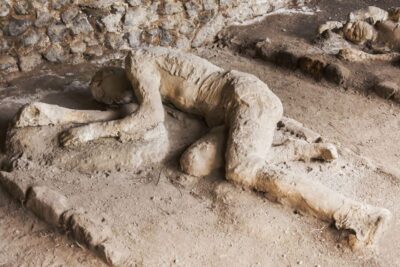
Browse the lists this tour appears in