
Reviewed · AUDIO TOURS
Naples: National Archaeological Museum Ticket & Audio App
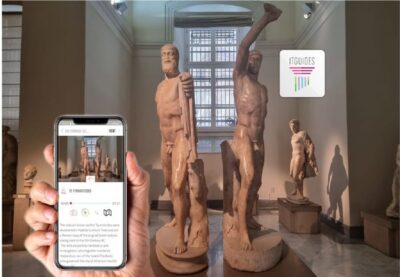
Naples has plenty of ancient history, but this museum visit is special because it gathers artifacts from multiple big-ticket sites into one calm, self-guided route. You get a day ticket to one of the world’s best collections of Greco-Roman art, and your digital audioguide can help you link the objects to the stories behind them.
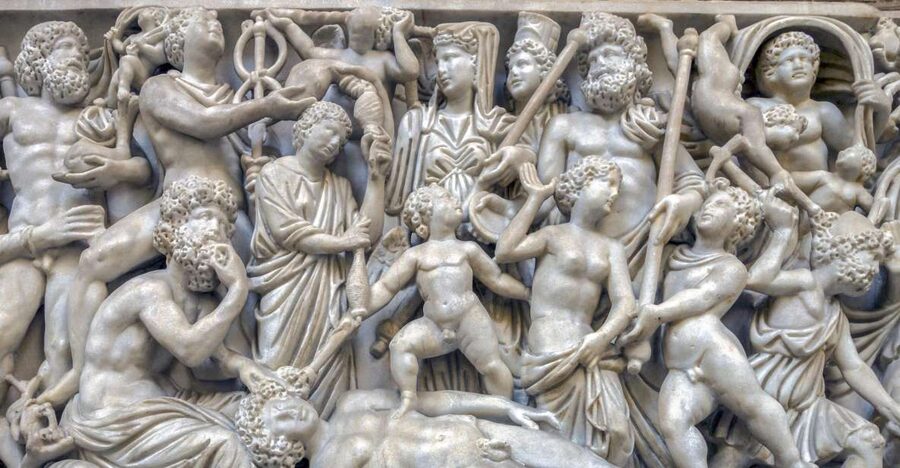
I love that the museum’s core collection centers on the Farnese legacy, including engraved gems and the famous Farnese Marbles. I also like that you can see the Pompeii and Herculaneum material side-by-side with other major themes like coins and Egyptian artifacts, so your brain makes better connections.
One possible drawback: the museum is huge, and the audioguide can be a hassle. A few visitors reported download or link problems, so plan to enjoy the galleries even if your audio has a rough start.
Key highlights worth circling on your map
- Pompeii and Herculaneum treasures, including objects recovered from the sites
- Farnese collection power center, with engraved gems and the Farnese Marbles
- Egyptian artifacts section may be closed during the stated closure period
- History of coins display, great for people who love systems and dates
- The Secret Cabinet, plus an exhibit focused on the erotic side of Roman life
Why This Naples Museum Ticket Feels Like a Shortcut to Big History
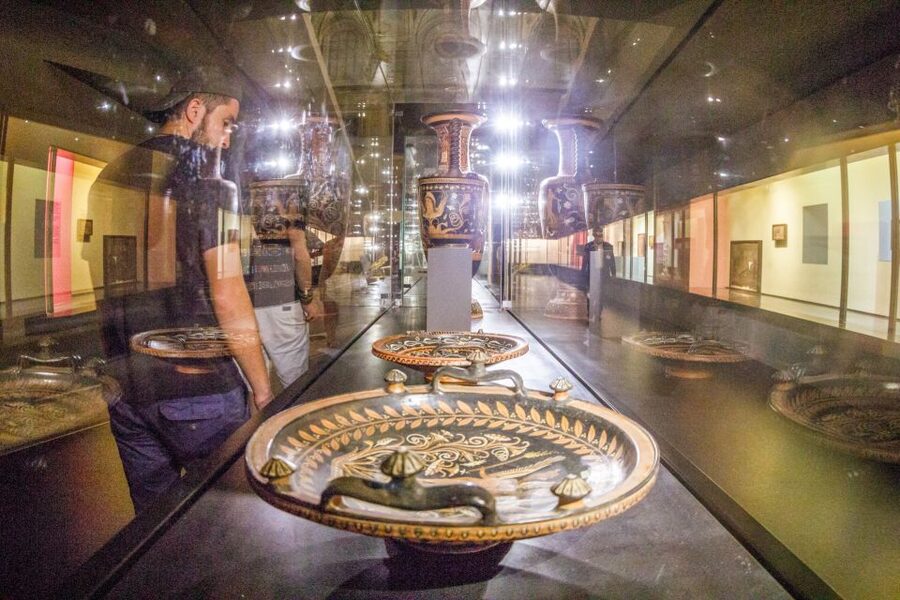
If you have limited time in Naples, this ticket is a smart move because it compresses a lot of what you’d otherwise spread across different trips. Instead of only seeing ruined streets at Pompeii or Herculaneum, you get the objects those sites produced, cleaned up, cataloged, and presented with context.
The museum also helps you “read” ancient Roman life more clearly. You can look at art style, daily tools, luxury objects, and smaller details that explain how people actually lived. That’s why this visit often improves everything you do later, especially if you plan to pair it with Pompeii or Herculaneum.
The self-guided format is another plus. You are not locked into a group pace. You can slow down for the sculpture galleries, then speed up for the sections you skim well. It’s museum time that fits your temperament.
More self-guided routes around Naples:
- Pompeii: Skip-the-Line Entry Ticket with Audio Guide or Tour
★ 4.1 · 1,364 reviews - Herculaneum: Skip-the-Line Entry Ticket with Audio Guide
★ 4.3 · 870 reviews - Naples: Pompeii Self Guided Audio Tour
★ 3.9 · 211 reviews
Getting In at the Museo Archeologico di Napoli: Voucher to Entrance Ticket
This is a day admission ticket. Your smartphone voucher has to be exchanged for an official entrance ticket at the Museo Archeologico di Napoli ticket office. After that, you’ll pass security before entering the galleries.
Your ticket is single entry, so don’t plan on popping out for a quick street detour and coming back in. If you want fresh air, build it into your museum pacing, not as a return trip.
Also, bring ID. The info given is clear: pack a passport or ID card. On top of that, security checks are part of the real museum experience here, so factor in a little time at the start.
This is wheelchair accessible. One note in the details: the Vittorio Emanuele apartments are not accessible for people with impaired mobility, but that’s separate from this museum activity.
The Bourbon-Era Setting: Charles III’s Museum in Real Life
The museum was founded in the mid-18th century by Charles III of Spain. Even if you don’t nerd out on royal family trees, it matters because the collection and building were meant to be a destination, not a storage room.
The setting helps you focus. Several visitors describe it as relaxed and not chaotic. That tracks with the way the museum is laid out: big galleries, clear sightlines, and enough space to pause without feeling like you’re standing on someone’s heels.
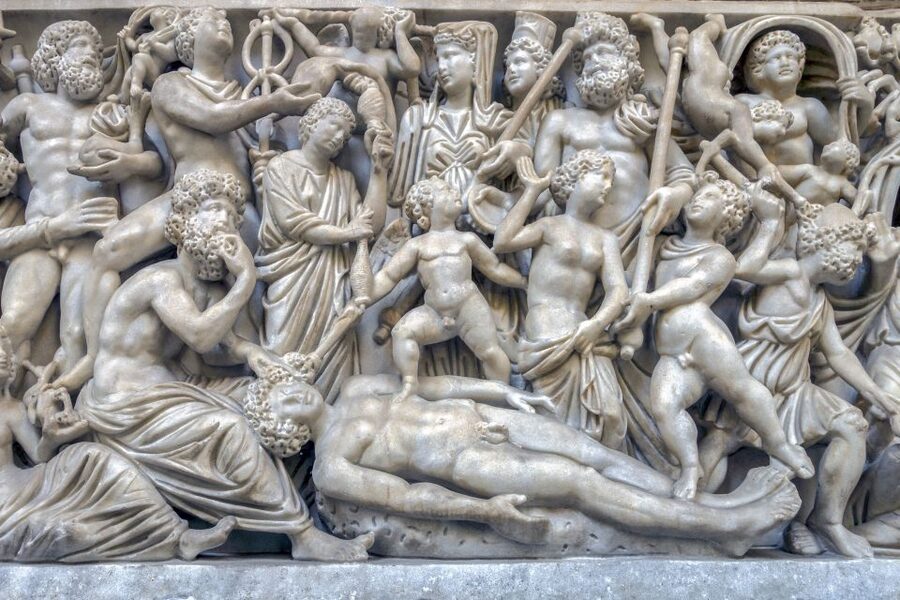
What to notice right away: the galleries are broad, and the objects vary in scale. Some rooms will feel like you’re in a sculpture hall, while others shift toward smaller, detail-heavy pieces like engraved gems or intimate cabinet-style collections. That change of scale keeps the visit from becoming one long sameness streak.
If you’re the type who likes to plan a route, you’ll do best by deciding what you care about most, then letting the rest surprise you. The museum rewards a “main goal first” strategy.
Farnese Treasures: Engraved Gems and the Farnese Marbles Core
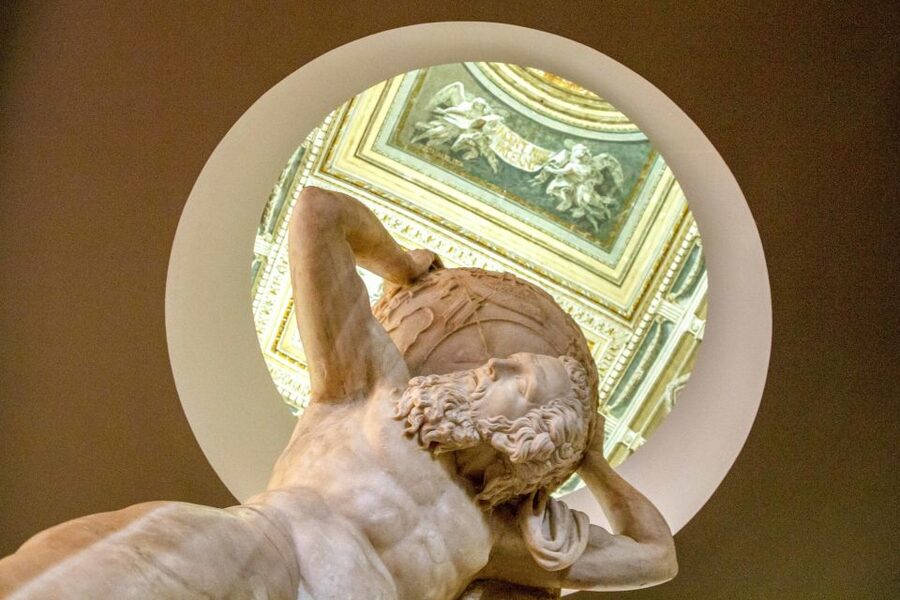
The Farnese collection is the museum’s gravitational center. It includes engraved gems and the Farnese Marbles. This is exactly the kind of highlight that makes you understand why certain Renaissance and Enlightenment-era collectors were obsessed with Roman antiquity.
Look for two things as you move through this area.
First, look at workmanship. Engraved gems reward close viewing. If you treat them like background decor, you miss the point. Slow down, read the tiny scenes if you can, and compare how the carving handles depth and light.
Second, look at scale and posture in the sculpture pieces. Several visitors call out sculpture as a major reason to come. One review even mentioned works taken from the baths of Caracalla, which hints at the museum’s strength beyond one famous donation.
Practical tip: don’t rush this section just because it’s the “headline.” If you leave Farnese too early, you may end up chasing the rest of the museum for the missing emotional impact. Do this core part first, then decide how long you want to stay.
More museums and galleries in Naples:
- Naples: National Archaeological Museum Tour & Digital Guide
★ 4.2 · 177 reviews - Naples: National Archaeological Museum audio guide
★ 4.0 · 155 reviews - Capodimonte Museum in Naples
★ 4.0 · 115 reviews - Sant’Aspreno ai Crociferi: Church & Jago Museum Guided Tour
★ 4.9 · 86 reviews
Pompeii and Herculaneum Finds: How the Museum Makes the Sites Click

This is the big pair for most people: Pompeii and Herculaneum. The museum holds treasures recovered from both sites, and the galleries help you see the difference between the ruins and the objects that survived.
For me, the value here is interpretation. When you see mosaics, fresco-related material, vessels, and everyday items in museum lighting, you understand what ancient people actually owned and used. You stop treating Pompeii as only a tragedy and start seeing the real texture of daily life.
Two especially useful pieces of media show up in the Pompeii presentation, based on the details shared: a miniature model and video, including a 3D presentation of the day that caught the inhabitants by surprise. Those tools are made for people who want context without reading for an hour first.
Practical pacing: set a “minimum Pompeii time” before you enter. If you only skim, you’ll regret it when you step out of the museum and realize you didn’t capture the emotional links you came for.
Also, if you’re planning your Pompeii or Herculaneum visit for after Naples, this museum becomes your glossary. You’ll recognize themes and object types, and your later walking routes will feel more grounded.
Coins, Models, and the Secret Cabinet: The Stuff That Keeps You Walking
Beyond the headline art, the museum includes displays that scratch a different itch.
There’s a history of coins section, and this is a good match for travelers who like dates, power, and how economies shape real life. Even if you do not read every label, coin displays teach you to look at symbols and faces. They also help you place the ancient world in time while you move between galleries.
Then there’s the Secret Cabinet, described as celebrated. This is where the museum gets more personal, more curious, and more specific about themes people used to keep behind closed doors.
And yes, there is an exhibit focused on the erotic side of ancient Roman life. If that topic makes you uncomfortable, you can treat that section as optional. If you can handle it, it’s a useful reminder that Roman culture had a full range of humor, desire, and social rules, not just marble hero poses.
One smart strategy: pick one “serious” section and one “curiosity” section. For most people, that balance makes a long museum day feel fun instead of exhausting.
Egyptian Art and the Erotic Exhibit: Plan Around What Is Actually Open
The museum also has Egyptian artifacts, but the details you provided note that this section is closed until March 31, 2023. I can’t promise its status beyond that statement, so treat it as conditional based on your travel dates.
What you should do: check availability or on-site signage when you arrive. If Egyptian rooms are open, they’re a welcome contrast to Greco-Roman galleries. If they’re closed, don’t feel like you failed. You still get an enormous collection focused on Greco-Roman antiquity, Pompeii, Herculaneum, and the other major themes listed.
As for the erotic exhibit, it is explicitly part of the experience offered in the highlights. You should expect material that deals directly with that side of Roman life. Go in knowing it’s not just symbolic. If you travel with someone who prefers to skip this kind of content, agree ahead of time on what each of you will do.
In other words, this museum is flexible. You can follow your comfort level without losing the main value.
How Long to Spend, and Where a Cafe Fit Actually Helps

A museum this big needs time, even if you only care about a few sections. Based on the visit lengths people reported, a realistic target is 3 to 5 hours. Some people did around 3 hours, others say at least 4 hours, and a few took closer to 5.
Here’s how I’d pace it so you don’t feel rushed:
- Start with your must-see (usually Farnese or Pompeii and Herculaneum rooms).
- Add one theme after that (coins, Secret Cabinet, Egyptian section if open).
- Leave room for wandering because some of the best moments are not planned, they happen when you notice an object that matches your mood.
Build in a short break. There’s a cafe on site, and the info shared says prices were not too bad. A quick lunch stop is not wasted time here. It keeps the visit from turning mentally flat halfway through.
If you want good photos, one practical tip from the experience described: going earlier can mean fewer people in your shots. That matters in a museum where lines and crowds can pop up by midday.
Digital Audioguide Reality Check, Plus a Smarter Backup Plan
This ticket includes a digital audioguide. Access is provided through a link, with a username and password listed in the instructions you were given.
Here’s the important part: a few visitors reported that the audio did not work well, including download delays and difficulty accessing it. Others said the audio wasn’t worth the trouble once they tried it briefly. That means you should not treat audio as the only way to enjoy the museum.
My backup plan for you:
- If the audioguide works, use it for the first major section so you build context fast.
- If it fails, switch to reading labels and letting the galleries do the storytelling. The museum is described as having strong explanations, and many people found it relaxing even without audio.
Also, your ticket does not include a guided tour. So your experience relies on the museum setting plus the included digital guide.
In practice, that makes this a good fit for travelers who like self-direction, not people who want someone to herd them room to room.
Value at About $29: What You’re Really Paying For
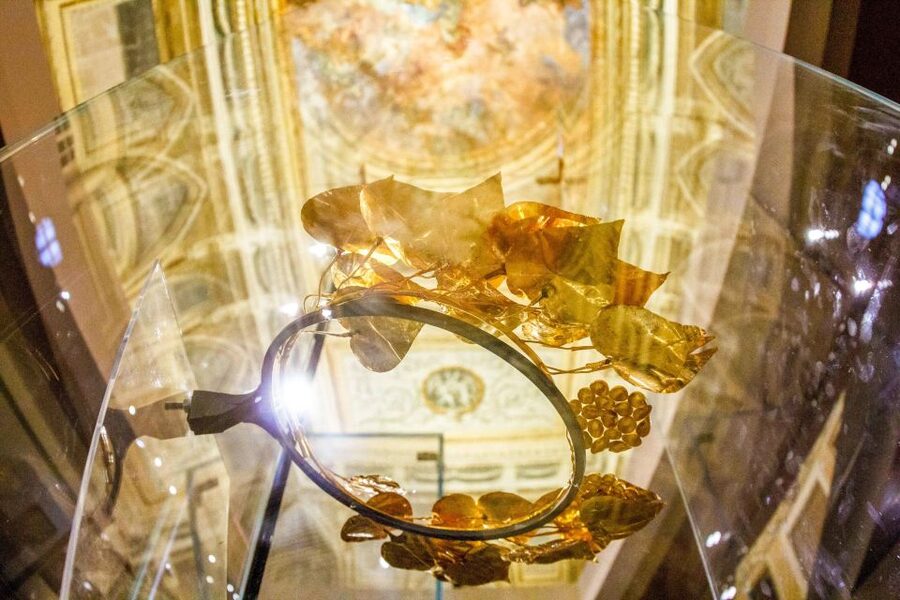
At $29 per person, you’re paying for more than entry. You’re paying for access to a collection described as one of the world’s finest Greco-Roman museums, with standout sections for Pompeii and Herculaneum, plus the Farnese core and themed displays like coins and the Secret Cabinet.
Is $29 a bargain? It can be, because the museum is huge and easy to lose time in. If you only see one room, the value drops fast. If you give it a real block of time, it becomes a high return on a single day.
The biggest value driver is also the one you control: how you plan your time. If your schedule allows 4 hours and you pick a main theme, you’ll feel like you made a smart museum choice. If you only have 90 minutes, you’ll probably leave hungry for more.
This is also a practical option because the meeting setup exchanges your voucher into a real entrance ticket. That helps reduce the friction at the start of your visit.
Should You Book This Naples National Archaeological Museum Ticket?
Book it if you want one day in Naples that connects Pompeii and Herculaneum objects to the bigger story of Roman and Greek art. This ticket makes sense for couples, solo travelers, and anyone who enjoys moving at their own speed through a major museum.
Skip or rethink it if you strongly depend on the audioguide for your enjoyment. The audio experience has enough reported hiccups that you should be comfortable exploring without it, or at least trying it early before you commit your attention to troubleshooting.
My final advice: arrive ready to spend real time. Decide in advance whether you care most about Farnese sculpture and gems, Pompeii and Herculaneum finds, or the Cabinet-style themed rooms. Then let the museum fill in the rest.
FAQ
Where do I exchange my smartphone voucher for an entrance ticket?
You exchange your smartphone voucher at the ticket office at Museo Archeologico di Napoli for an official entrance ticket.
Is this activity a guided tour?
No. A guided tour is not included. This is museum entry plus a digital audioguide.
Does my ticket allow reentry?
No. Your ticket is valid for single entry and does not include reentry to the museum.
What is included with the ticket?
Included are museum entry and a digital audioguide.
How long is the ticket valid?
The ticket is valid for 1 day. You should check availability to see starting times.
Is the museum wheelchair accessible?
Yes, the activity is listed as wheelchair accessible. The details also note that Vittorio Emanuele apartments are not accessible to people with impaired mobility.
What ID should I bring?
Bring a passport or ID card.
What should I know about the Egyptian artifacts section?
The Egyptian section is closed until March 31, 2023, based on the information provided.
Recently reviewed around Naples
- Pompeii with Wine Tasting Private Tour★ 4.7 · 6 reviews
- From Naples: Pompeii & Mount Vesuvius Full-Day Private Tour★ 4.5 · 4 reviews
- Pompeii, Amalfi, Ravello Day Tour with Private Transfer★ 5.0 · 3 reviews
- Ruins of Pompeii & the Amalfi Coast: Full-Day Private Tour★ 5.0 · 7 reviews
- Pompeii and Herculaneum: Private Tour from Naples★ 4.6 · 12 reviews
- From Naples: Pompeii Private Tour with Transfer and Guide★ 4.7 · 23 reviews
- Pompei: Private tour of Pompei and Vesuvius from Sorrento★ 5.0 · 8 reviews
- Pizza lesson★ 5.0 · 3 reviews
Audio Tours, compared.


Skip-the-Line Entrance Ticket with Audio Guide
Read our review →
Skip-the-Line Entry Ticket with Audio Guide or Tour
Read our review →

Ercolano: Herculaneum Entry Ticket with Optional Audio Guide
Read our review →
Ercolano: Herculaneum Skip-the-Line Ticket & Audio Guide
Read our review →
Browse the lists this tour appears in