Reviewed · POMPEII TOURS
Pompeii No-line Entrance Tickets with audioguide
Pompeii is interesting because it is history you can walk through. With no-line entrance and an audioguide, you get a smooth entry plus a way to understand what you are seeing as you go.
I like two things right away. First, the visit is flexible, so you can set your own pace instead of matching a group schedule, and the audioguide helps you connect the sites to daily Roman life. Second, the main sights hit both the famous and the emotional parts, from the Temple of Apollo and thermal baths to the House of the Vettii mosaics, and the story of Pompeii’s destruction after the 79 AD eruption of Vesuvius.
One possible drawback is logistics around getting your ticket in hand. The site collection is at reception, but some recent reports mention delayed vouchers and trouble locating the operator’s office, so arrive with your voucher ready and give yourself extra time to sort it out before you want to start walking.
Key highlights worth planning for

- Skip the ticket line with your Pompeii entrance voucher and collect your ticket at reception
- Audioguide-powered self visit to make the forum, theaters, and houses make sense
- Big named stops include the Temple of Apollo, the thermal baths, and the House of the Vettii
- The 79 AD Vesuvius story ties the ruins to the tragedy, fear, and escape
- UNESCO World Heritage site status since 1997, with new discoveries still coming
Skip the Line, Then Control Your Pace
The biggest practical win here is that you are not starting your day stuck in a ticket queue. Pompeii is one of Italy’s most visited archaeological sites, and once the crowds build, the lines can eat hours you could spend inside the ruins.
This ticket is designed for a self-guided visit. You get an entrance ticket plus an audioguide, and then you are free to move at your speed. That matters because Pompeii is not one straight museum hallway. It is a whole city layout, with uneven ground and distance between clusters of sights. If you rush, you miss details like frescoes or the layout of public spaces. If you pace yourself, the place starts to click.
My advice: treat this as a “use the audio, but don’t follow it blindly” experience. Jump to what you care about most, then use the audioguide to fill in the context as you spot doors, street corners, bathing facilities, and the public buildings you would have recognized in Roman times.
More Pompeii tours and tickets in Pompei Campania:
- Pompeii: Entry Ticket and Guided Tour with an Archaeologist
★ 4.8 · 19,459 reviews - Pompeii: Small Group Tour with an Archaeologist
★ 4.8 · 12,264 reviews - Pompeii: Skip-the-Line Entrance Ticket with Audio Guide
★ 4.0 · 2,509 reviews
Collecting Your Ticket at Reception, Without the Runaround
Your start point is simple on paper: show your voucher at the reception and collect your ticket. That is the spot you should rely on.
One of the tough parts from recent feedback is timing and clarity around the voucher. Some people reported a delay in receiving the voucher, and a few had trouble locating the operator’s office. In both cases, the real problem was not Pompeii, it was figuring out where to go when the clock is ticking.
So do this before you walk into the site:
- Have your voucher saved and easy to show (offline copy helps).
- Plan to arrive early enough that if something is confusing at reception, you still have time to fix it.
- If you run into issues, use on-site staff. Some reports specifically mentioned help from ticket inspectors once they were finally in the right place.
A calm start is the difference between a good day and a stressful one at Pompeii.
A Smart Self-Guided Route: Apollo, Baths, and the House of the Vettii
You are visiting Pompeii for a full day slot that is valid for 1 day, with starting times that depend on availability. Since you have no guided group route, the best value comes from choosing a route you can realistically finish.
Here’s how I’d build a day around the sights included in the highlights.
Temple of Apollo: Start with religion and city identity
If you begin with the Temple of Apollo, you are getting oriented fast. Religious spaces were not side quests in Roman life. They were part of how the city organized time, events, and community identity.
In an audioguided visit, the Temple of Apollo also helps you understand that Pompeii was not just houses and shops. It was a functioning civic and spiritual landscape.
What to watch for: look for the relationship between the temple area and the surrounding streets. That helps you understand movement through the city, not just stand-alone monuments.
A few more Pompei Campania trips worth comparing
- Pompeii: Skip-the-line-Ticket and Guided Tour
★ 4.6 · 1,152 reviews - Pompeii: Skip-the-Line Entry Ticket with Digital Guide App
★ 4.1 · 770 reviews - Pompeii: Afternoon to Sunset Guided Tour with Ticket
★ 4.9 · 484 reviews - Pompeii: Skip-the-Line Ticket with Audio Guide and Map
★ 4.0 · 117 reviews
Thermal baths: See how leisure worked
Next, aim for the thermal baths. Roman baths were social, not only practical. They were a place to meet, talk, recover, and spend time.
With an audioguide, you will usually get the key context you need: how the bathing process worked, and what different rooms were for. Even without a “guided tour,” the audio turns stone and fragments into a real routine.
Practical note: baths can be spread out. Take your time walking between zones so you are not skipping the story you paid for with the audio.
House of the Vettii: Frescoes and mosaics that make daily life real
Then go to the House of the Vettii. This is the kind of stop that makes Pompeii feel oddly close. Houses in Pompeii show you status, design choices, and what the owners wanted visitors to see.
The highlights mention splendid mosaics, and this is where you should slow down. Mosaics reward close watching, especially if the audioguide gives you details about what you are looking at and why it mattered.
A good strategy is to pick one or two rooms to linger in. With self-guided time, you can afford to be picky.
The Forum and Theaters: Where Roman Life Played Out
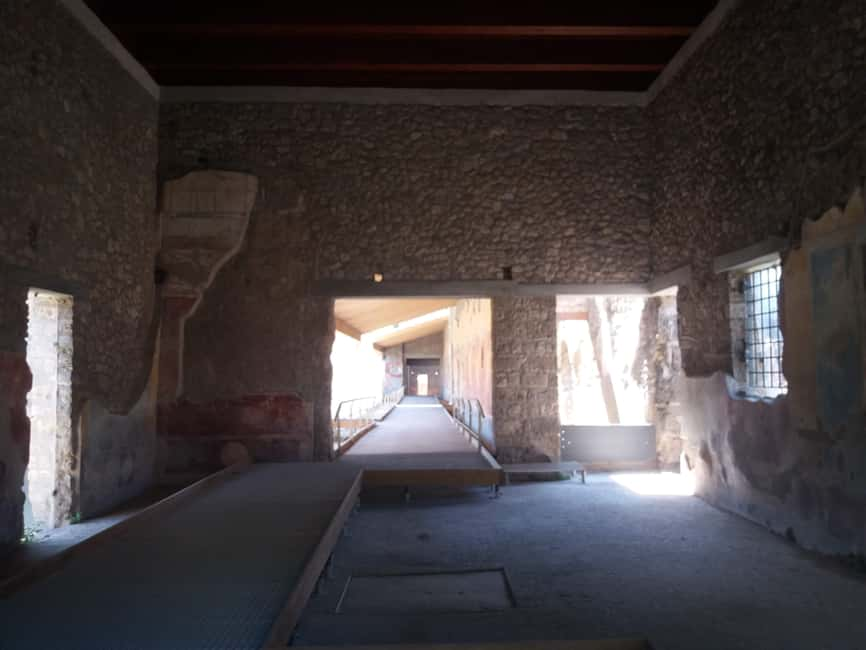
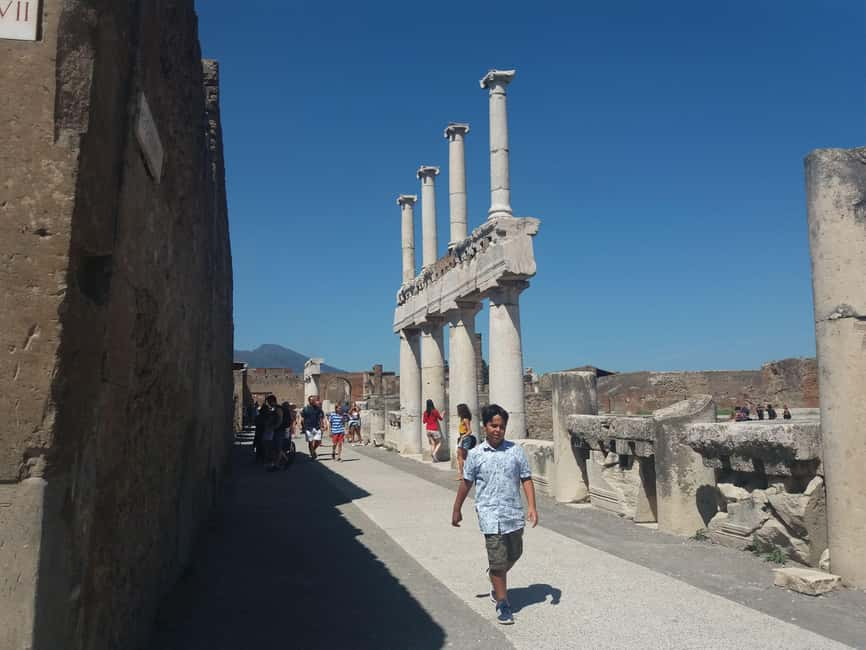
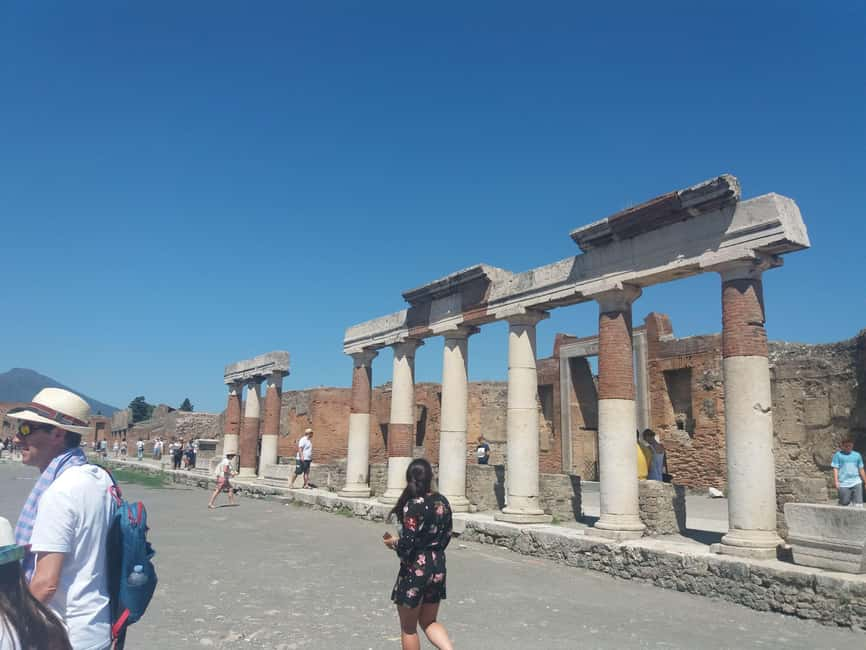
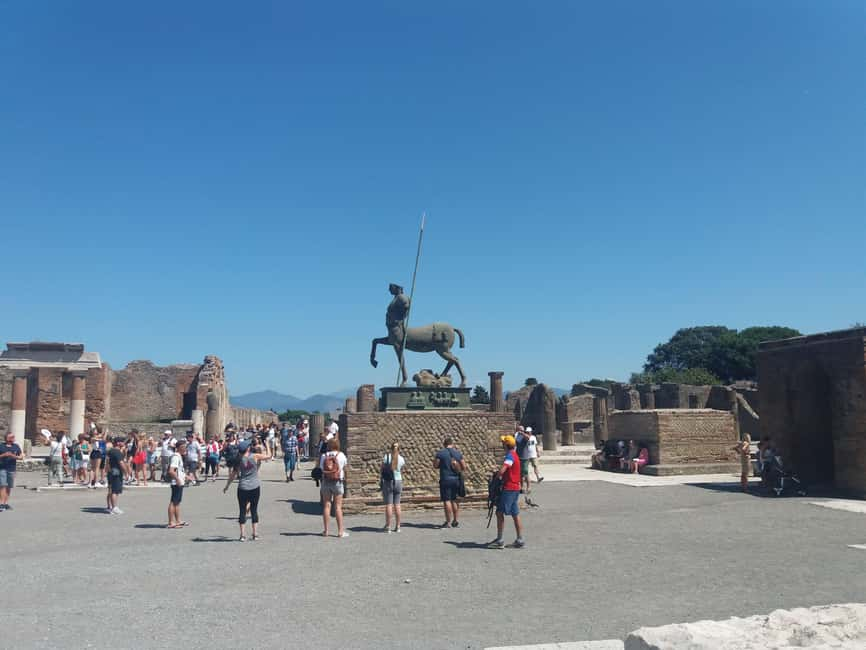
Pompeii’s forum and theaters are the places where public life happened. This is where the city flexed its civic muscle: politics, public announcements, community gathering, and performances.
Even if you have seen Roman forums elsewhere, Pompeii has a special effect because the ruins preserve the layout. The forum is not just a “big open space.” The shape of the area, the surrounding buildings, and the street connections help you understand how people would have moved through their day.
For the theaters, the big win is how the audioguide can connect the audience experience to the physical space. You start thinking about sight lines and how people filled the seats, not just how stones sit today.
If you want one rule for Pompeii, it is this: don’t treat each site as a postcard. Treat it as a place where people did repeatable routines. The forum and theaters are perfect for that mindset shift.
Pompeii’s Daily Life: How the Audio Brings the Streets to Life
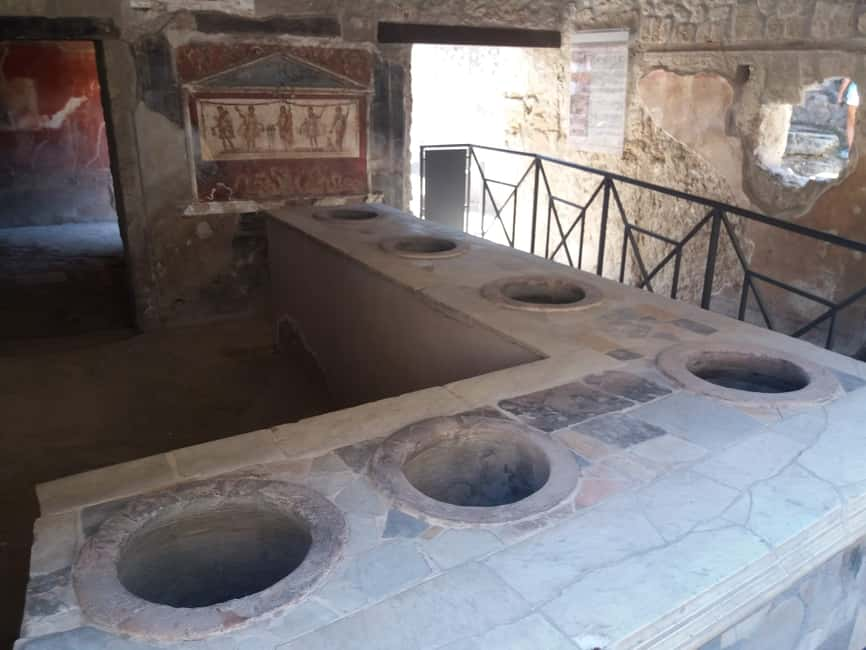
The whole point of pairing a Pompeii ticket with an audioguide is to turn ruins into routine. The highlights and overview are clear about the themes: daily life, religion, public spaces, and home interiors.
When the audioguide is working for you, you start noticing the little connections:
- Where you are in relation to public buildings.
- How homes connect to streets.
- Why certain decorations show up where they do.
- How leisure spots like the baths fit into the city’s schedule.
I also like that this format lets you “read” Pompeii in chunks. Walk a street, stop at a key building, listen, then move on. That keeps your brain fresh.
One more practical tip: if you listen to the audio nonstop at top volume, you will miss details around you. Lower the volume briefly when you reach a focal point like a decorated doorway or mosaic panel. Let your eyes do some of the work.
The Mummies and the 79 AD Eruption Story You Cannot Forget
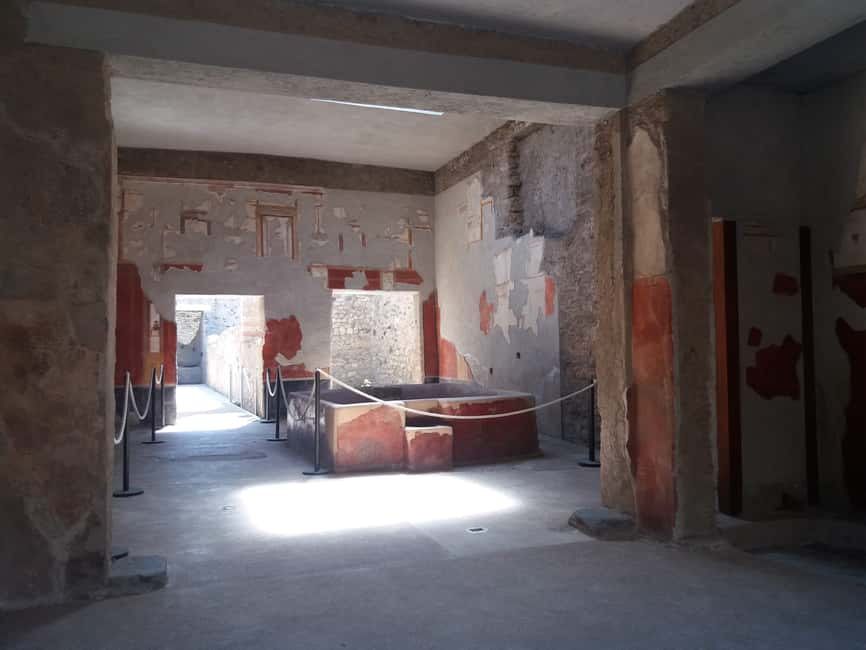
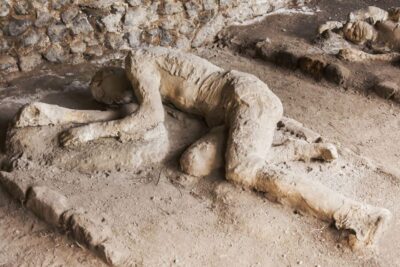
One of Pompeii’s most striking parts is the story of death and escape, centered on the so-called mummies. These are human bodies fossilized by ash, a result of the catastrophic eruption of Vesuvius in 79 AD.
If you care about history, this section hits hard because it is specific. It is not vague doom, it is the physical evidence of fear and last moments.
The audioguide experience is valuable here because the eruption story connects the tragedy to what you see around you. The city was buried under a thick layer of ash and pumice. That layer preserved details that would otherwise be lost to time, weather, and reuse.
How to handle this emotionally: give yourself a minute. If you rush through, you rob yourself of the meaning.
UNESCO Status and Why Pompeii Still Feels Alive

Pompeii is a UNESCO World Heritage Site, recognized in 1997. That matters because it signals something more than fame. It tells you the site is protected, studied, and still revealing secrets through ongoing research.
Even during a self-guided visit, it is helpful to keep that idea in your head. Pompeii is not finished. Excavations and research continue to add context, refine interpretations, and reveal new details about culture and daily life.
So when you are standing in a place you think you understand, the better mindset is: you are seeing one slice of a larger puzzle.
Price and Value: Is $34 Worth It?
At $34 per person, this ticket sits in a reasonable middle ground for a major UNESCO site that includes audio. The “skip the ticket line” feature is the main reason the value stacks up for most people.
Here is how I’d judge the price in your case:
- If you hate lines and want to use daylight hours for walking, the no-line entry is worth a lot.
- If you would otherwise rely on a guidebook and miss context, the audioguide helps you get more meaning from the ruins.
- If you are going in peak season and timing matters, paying for a smoother start often pays for itself in saved time.
The one caution is that a couple of low-score reports point to voucher delays and confusion at collection points. That doesn means the service is always broken, but it is a reminder to be organized: confirm your voucher is ready before you head out, and arrive with time buffer.
In other words, the value is strong, but only if you handle the start-of-day details.
Heat, Footing, and Timing: Make the Last Admission Work
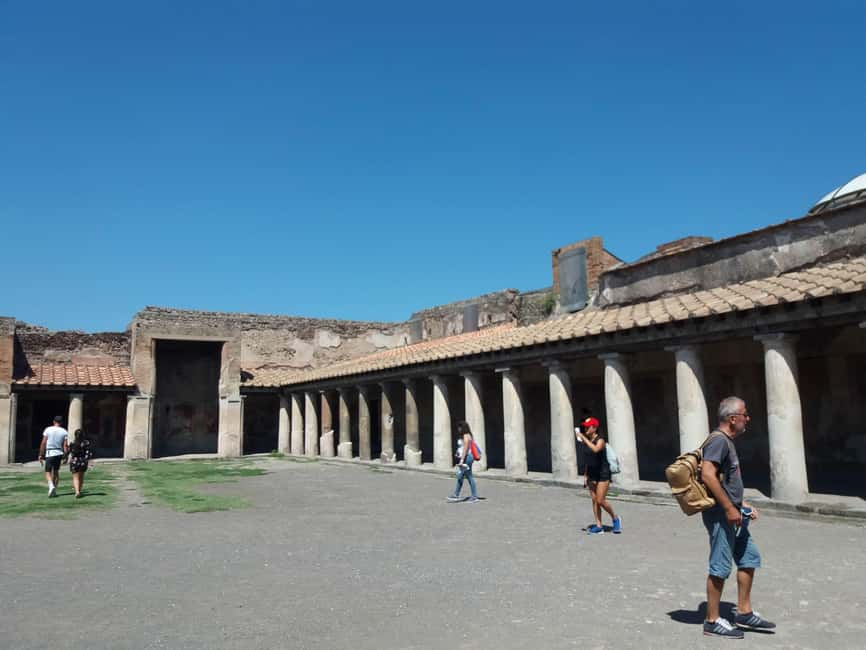
Pompeii can be hot, especially in summer. The practical advice is clear: wear comfortable shoes because you will walk on uneven surfaces, and bring water and a hat.
Timing matters too. The last admission is one hour before closing time. Since you are self-guided, it is easy to lose time if you start later than planned or linger too long in one area.
My suggestion: plan a simple “turnaround point” in your head. For example, decide when you will be done with your main trio of highlights, then use the remaining time for forum and theaters. That way you finish before the last admission window, instead of spending your final hour sprinting between zones.
Also watch the weather forecast. Pompeii is an outdoor site. Rain can mean slower walking and slick ground.
Who This Works Best For (And Who Should Rethink It)
This is a good fit if you want:
- Self-guided freedom with an audioguide to keep things meaningful
- The big highlights like Apollo, baths, the House of the Vettii, forum, theaters, and the 79 AD story
- A way to reduce stress by skipping the ticket line
It may be a tougher match if:
- You need a guided tour format to make sense of everything, because this is not a guided walking program.
- You have trouble with uneven surfaces. The info says wheelchair accessible, but it also warns Pompeii has lots of walking on uneven ground, and notes that it is not suitable for mobility impairments. If mobility is a concern, consider whether you can comfortably handle that terrain.
Should You Book This Pompeii No-Line Ticket with Audioguide?
Book it if you want the best value from your time at Pompeii: quicker entry, an audioguide to explain daily life and Roman spaces, and key stops that tell the whole story, from Apollo to the baths, through the House of the Vettii, and into the eruption tragedy.
I would pause before booking only if you are someone who struggles with vouchers and last-minute confirmations. Because a low rating includes reports about voucher timing and confusion locating the operator office, you should be extra careful. Get your voucher before you go, show it at reception, and start early.
If you do those three things, you are set up for a smooth day at one of Italy’s most unforgettable archaeological sites.
FAQ
What is included with the Pompeii ticket?
Your ticket includes entrance to Pompeii and an audioguide.
How do I collect my ticket when I arrive?
Show your voucher at the reception to collect your ticket.
How long is the ticket valid for?
The ticket is valid for 1 day. Starting times depend on availability.
Is there a time limit for entry?
Yes. Last admission is one hour before closing time.
What is not allowed at Pompeii with this ticket?
Pets, smoking, and luggage or large bags are not allowed.
Can I cancel for a refund?
Yes. You can cancel up to 24 hours in advance for a full refund.
Recently reviewed around Pompei Campania
- Pompeii and Vesuvius Cellars: Tour with Pick-Up in Positano★ 4.7 · 3 reviews
- From Sorrento: Pompeii with an Archaeological Guide & Ticket★ 4.6 · 19 reviews
- From Positano: Pompeii Ruins Small Group Guided Tour★ 4.8 · 82 reviews
- Pompeii Positano Amalfi Day Trip from Rome by Car, No Bus!★ 5.0 · 5 reviews
- Pompeii & Virtual Museum Private 2-in-1 Kid’s Tour★ 4.9 · 9 reviews
- From Naples: Pompeii Wheelchair-accessible with a Guide★ 5.0 · 8 reviews
- Pompeii VIP 3h Tour: Skip-the-line with your Archaeologist★ 4.9 · 13 reviews
- Pompeii & Vesuvius★ 4.3 · 12 reviews
Pompeii Tours, compared.

Entry Ticket and Guided Tour with an Archaeologist
Read our review →


Pompeii Small Group Tour with an Archaeologist
Read our review →
Naples or Sorrento: Full-Day Pompeii and Mount Vesuvius Tour
Read our review →
Pompeii & Mt.Vesuvius Day Tour from Naples with Pizza Lunch
Read our review →