
Reviewed · POMPEII TOURS
PompeiI Exclusive Tour with your Archaeologist in a Small Group
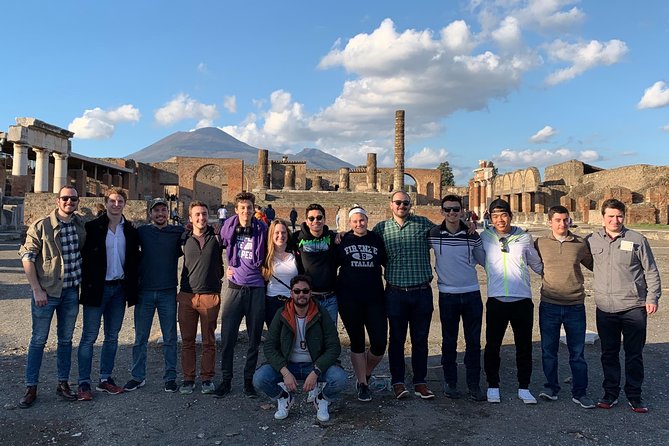
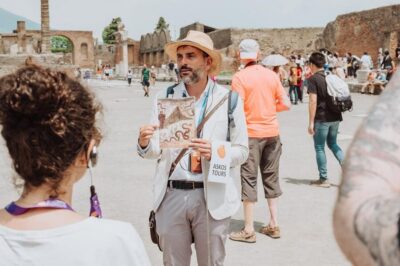
Pompeii is one of those places where you can walk for hours and still feel lost. What makes this tour interesting is the way it turns the ruins into a clear route through the city, with real interpretation from an archaeology expert guide and a small-group pace. It is the kind of plan that helps you understand what you are seeing, instead of just collecting photos.
Two things I really like about it are the priority line entry and the tight 2-hour hit list of major sights. You are in and moving early, so you are not wasting your best daylight on the gate.
One consideration: Pompeii site admission is not included in the tour price. You will still need to buy entry to the archaeological park, so plan for extra cost on top of the tour.
Key things that make this Pompeii tour a smart plan
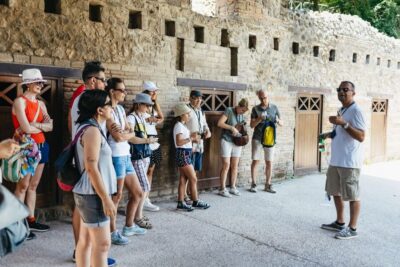
- Small group (max 15) means easier questions and a less chaotic pace.
- Priority entry helps you skip a long wait at the gate.
- Archaeology-led explanations focus on how the city worked, not just what things look like.
- A focused 2-hour route hits major landmarks so you leave with your bearings.
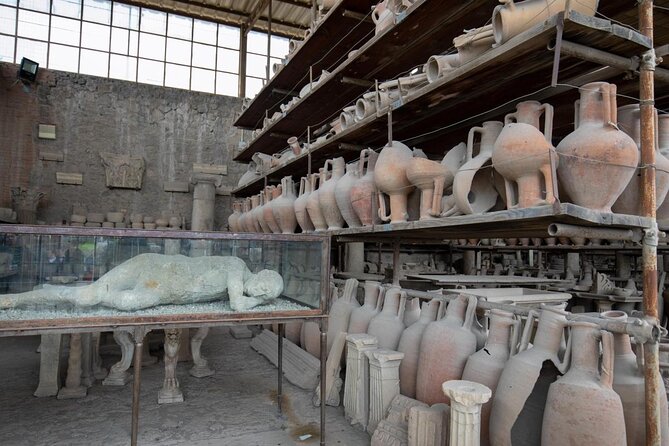
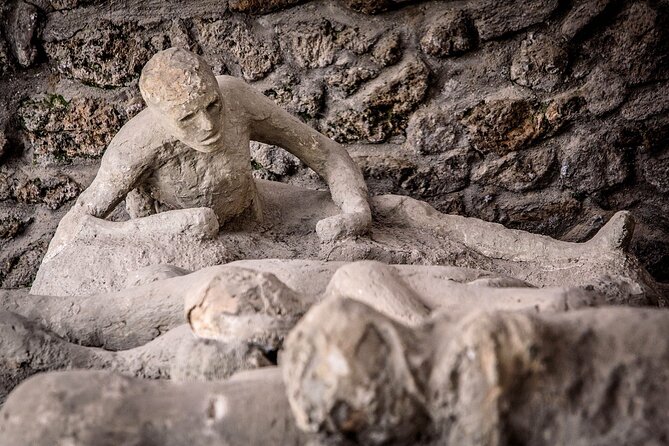
- Hands-on context is part of the experience, including references to plaster casts like the Bodies method.
- English-speaking guide is included, with many past guides praised for clear explanations.
Why Pompeii makes more sense with an archaeology-led guide
Pompeii is massive, and it is also layered. You are not just looking at stone walls, you are looking at a living Roman city frozen in time, then slowly excavated and restored over generations. Left on your own, you can end up standing in front of impressive buildings and still missing the point of where you are and why that place mattered.
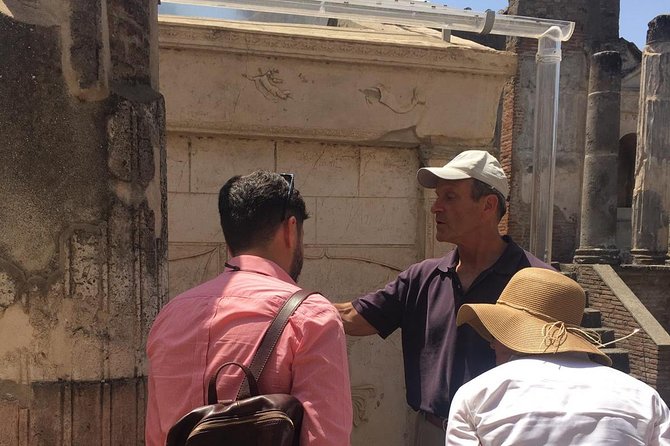
That is where a trained guide changes the experience. Guides in this tour are archaeology experts, and the best ones do two jobs at once. They explain what you are seeing, then they explain how archaeologists know. In the past, guides such as Antonio, Ricardo, Raffaele, Ornella, PierLuigi, and Raphael have been praised for answering tough questions and for taking the time to explain their reasoning, not just reciting a script.
I also like that the tour is built for understanding. It walks you through the city’s civic center, religious sites, everyday life spots, and major houses, in a logical flow. By the end, you should be able to read Pompeii with your own eyes, not just follow footsteps.
More Pompeii tours and tickets in Pompeii:
- Pompeii: Entry Ticket and Guided Tour with an Archaeologist
★ 4.8 · 19,459 reviews - Pompeii: Entry Ticket with Optional Audio Guide
★ 4.2 · 12,360 reviews - Pompeii: Small Group Tour with an Archaeologist
★ 4.8 · 12,264 reviews
Getting in fast: the Via Villa dei Misteri meeting point and priority access
The tour meets at Via Villa dei Misteri, 1, 80045 Pompei NA, Italy. After the 2-hour visit, it ends back at the same meeting point, so you do not have to fight your way across town to reconnect with your day.
Logistics matter at Pompeii because the park can eat your time before the fun even begins. This tour is designed to help with that by offering entry through a separate priority line, which reduces the chance of a long wait at the gate. That is especially valuable in peak season or when weather is unpredictable.
Also, do not confuse the tour ticket with park admission. The ticket you buy for the tour is for joining the group. Pompeii Archaeological Park entry is a separate purchase. The day before, you will get a link to buy entrance tickets online, which is a good move if you want to cut the stress.
Your 2-hour route: what you will see and what each stop is really about
This is a highlights route with short, focused stops. Think of each one as a quick chapter in how Pompeii functioned, from worship and government to meals, shopping, and home life.
Porta Marina Superiore, the western gateway
You start at Porta Marina Superiore, the western entrance to the ancient city. The guide typically explains how the name connects to the road that led out toward the sea. It is a strong start because gates tell you how people entered the city and how streets connected different parts of daily life.
Practical tip: early in the walk, pay attention to the guide’s sense of direction. If you get your bearings here, the rest of Pompeii feels easier.
A different sort of day around the Bay of Naples:
- From Naples: Pompeii Ruins & Mount Vesuvius Day Tour
★ 4.3 · 11,459 reviews - Pompeii Small Group Tour with an Archaeologist
★ 5.0 · 6,593 reviews - Naples or Sorrento: Full-Day Pompeii and Mount Vesuvius Tour
★ 4.6 · 4,235 reviews - Pompeii & Mt.Vesuvius Day Tour from Naples with Pizza Lunch
★ 4.0 · 2,901 reviews
Tempio di Venere, a temple tied to Pompeii’s identity
Next comes the Temple of Venus, dedicated to Pompeii’s patron goddess. Even if you only catch a few details, you start seeing the city’s religious center as something built into everyday movement, not just a separate attraction you visit for 10 minutes.
Basilica in the Forum, where business and justice met
The Basilica sits in the Forum and was the most lavish building there. It served as a place for managing business and administering justice. This stop is key because it shows how public life worked, including the fact that civic decisions and commerce happened in the same big social zone.
Sanctuary of Apollo, worship near the street that led downtown
The Sanctuary of Apollo is among the oldest places of worship in Pompeii. It sits at a strategic point along the street rising from Porta Marina to the public heart of the city. This is a good reminder that Pompeii’s layout was designed to move people through religious and civic spaces in a clear path.
Forum (Main Square), the center of daily life
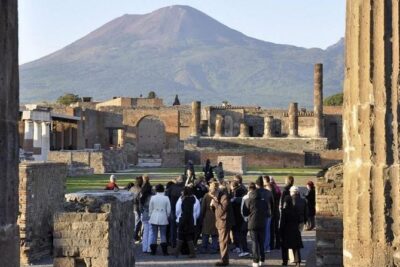
The Forum is the city’s main square, the place where daily life played out. This is where the scale hits you. Stand here long enough and you will start picturing crowds, official meetings, and constant movement.
If you like context, ask the guide a question here. Forum spaces are where explanations often click.
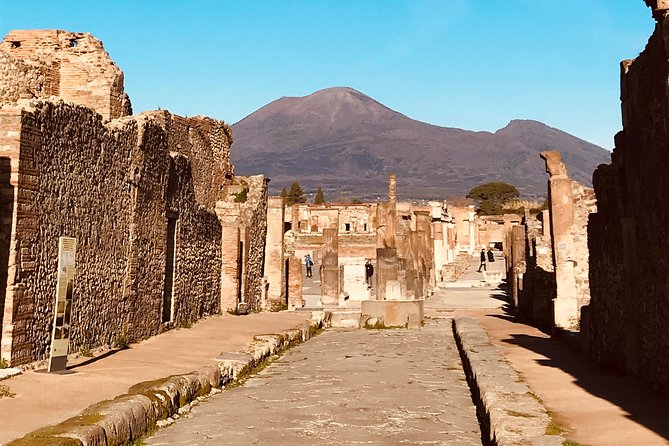
Temple of Jupiter and a view toward Vesuvius
On the northern side of the Forum dominates the Temple of Jupiter, and behind it rises Vesuvius. This stop gives you a rare combo: monumental Roman architecture plus the looming presence of the volcano. It is also a moment where the guide’s interpretation can connect the city’s pride to the reality of its vulnerability.
Macellum, Pompeii’s market for food and daily goods
The Macellum was a monumental market building used for selling food and daily consumer products. Past explanations around this stop often connect commerce to daily habits, and you may also see references to plaster casts and the Bodies method, which helps archaeologists reconstruct what happened during the eruption.
Note: You might see plaster-cast related exhibits or displays depending on what is accessible at the time of your visit.
Forum Baths, one of the best-preserved parts of the city
Forum Baths are among the best-preserved elements in Pompeii. The tour typically points out that the bath areas had separate entrances for women and men. This is everyday life at its most physical, and it is also a reminder that social routines were built into architecture.
Wear shoes you can walk in comfortably. Bath areas have uneven ground and stone steps, and you will want your feet to be happy.
Thermopolium of Vetuzio Placido, the old diner
A thermopolium was an old-style diner, a place to grab food and refreshment. This stop is great for breaking the big-stones-only feeling. You get a window into quick meals and the rhythm of people who did not cook at home every day.
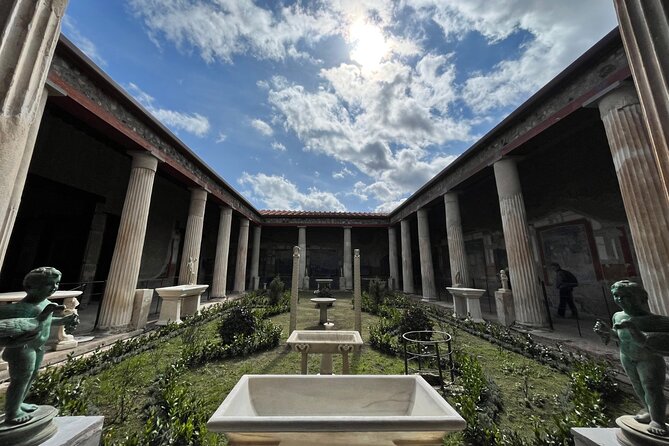
Casa del Fauno and the House of the Vettii, the big homes and the details
You will hear about the House of the Faun, one of Pompeii’s largest homes, including a welcome inscription on the sidewalk in Latin (HAVE). You will also cover the House of the Vettii, one of the richest homes, associated with Priapus, the god of prosperity.
One practical point: these homes have seasonal openings and closings. So depending on timing, you may not see every area you expect. Still, the guide’s explanations help you understand what makes these homes so significant, even when access is limited.
Via dell’Abbondanza, the main street called the decumanus maximus
The walk then takes you down Via dell’Abbondanza, the ancient main street. This decumanus maximus route helps you imagine movement through the city, shops, and the daily flow between civic and residential areas.
If you want better photos, slow down for a moment here. Straight street views can make Pompeii feel more navigable than the random maze feeling.
Teatro Grande, performances in the Greco-Roman tradition
You end with the Teatro Grande. Comedies and tragedies in the Greco-Roman tradition were performed here. It is a strong closing stop because theater is where culture showed up in public life.
Be aware of a tradeoff: a 2-hour highlights route means you will not cover everything Pompeii offers. If amphitheater or brothels are must-sees for you, you may want to plan extra time on your own after this tour.
What the best guides do with the ruins: clear answers and real reasoning
What keeps this tour consistently high-rated is that the guidance is practical. The best archaeologist-style guides explain not just what a site is, but how archaeologists figured it out.
That kind of explaining matters at Pompeii. Many things are not labeled in a way that feels obvious. You might see ruins that look similar, but the use could be different. A strong guide helps you separate a temple from a sanctuary, a civic building from a marketplace, or a home’s social features from its purely functional spaces.
You will also notice how guides handle questions. In past experiences shared by visitors, guides like Antonio and Ricardo have been praised for answering insightfully and for even prompting the group with questions to clarify points. Ornella and Raphael have also been mentioned for storytelling that brings Roman life into focus while still staying factual.
One small lesson from experience: if your tour uses an earpiece system, test yours early and keep an eye on it. One guest noted they had trouble with an earpiece not working and did not receive a fix during the walk. It is not the whole story, but it is enough that you should check right away.
Price and value math: the tour price versus Pompeii admission
The tour price is $30.25 per person, for about 2 hours with an archaeology expert guide and small-group pacing. Pompeii Archaeological Park admission is not included, and the listed admission cost is 19 euro per adult (free under 18).
How to think about value: you are paying mostly for the guide time and the route focus. If you are comfortable wandering Pompeii on your own, a guided tour might feel like extra cost. But if you want to understand what you are seeing, you are really buying interpretation, direction, and time saved on figuring out what matters.
There is also the practical time-saver. This tour includes a priority line entry so you spend less time waiting. For me, that is part of the value because Pompeii time is precious.
One more thing to keep straight: the skip-the-line ticket link provided for the tour relates to getting you into the process for joining the tour, not your park admission. You still need park entry.
Pace, comfort, and weather: how to show up ready
This tour is about 2 hours long, with the route divided into short stops that keep things moving. That pacing is useful for many people because Pompeii can be exhausting. You get a compact plan, and then you can choose what to do next on your own.
Because it is outdoors, weather can change your day. The experience requires good weather, and if it is canceled due to poor weather you will be offered a different date or a full refund. That means you should keep your schedule flexible if possible, especially if you travel in shoulder season.
Comfort matters a lot here. You will be doing a lot of walking on uneven ancient surfaces. Bring comfortable walking shoes. If you are coming from Naples by train or bus, build in extra time so you arrive early enough to meet the guide without stress.
Lastly, if you want to take photos, plan for it as part of the walk, not after the fact. With a small group, the guide can usually help balance viewing and photos, as long as you communicate what you need.
Who this Pompeii tour fits best
This is a strong match if you:
- want the key sights in a short visit and do not want to spend your first day lost
- appreciate explanations about how archaeologists interpret ruins
- like a smaller group where questions are not swallowed
- are traveling in a way where you need a clear 2-hour plan, then free time after
It may be less ideal if you want a long, slow, everything-on-the-list Pompeii deep walk. This is focused, not exhaustive. You will likely need additional time if you have very specific site priorities that fall outside the highlights.
Should you book this Pompeii small-group archaeology tour?
I would book it if your goal is clarity. If Pompeii feels intimidating, this kind of route gives you structure and context fast. The priority entry and small-group format are practical, and the guide style, with examples like Ornella, Antonio, Ricardo, Raffaele, PierLuigi, and Raphael, is exactly the difference between seeing ruins and understanding them.
Skip it if you already know Pompeii well and you are happy to plan your own route, or if you are trying to cover every major attraction in one go. In that case, you would likely need a longer visit or a different tour format.
For most first-timers, though, this is a smart way to start: get your bearings, learn the logic of the city, and then spend the rest of your time exploring with much better eyes.
FAQ
How long is the Pompeii tour?
It runs for about 2 hours.
Is Pompeii Archaeological Park admission included in the price?
No. Pompeii admission is not included. The park ticket listed is 19 euro per adult, and admission is free under 18.
Where do I meet for the tour?
The tour meets at Via Villa dei Misteri, 1, 80045 Pompei NA, Italy. It ends back at the meeting point.
How big is the group?
This experience has a maximum of 15 travelers.
Is the tour offered in English?
Yes, the tour is offered in English.
What if the weather is bad?
This experience requires good weather. If it is canceled due to poor weather, you will be offered a different date or a full refund.
Can I cancel and get a refund?
Yes. You can cancel for free up to 24 hours in advance for a full refund. If you cancel less than 24 hours before the start time, the amount paid is not refunded.
Recently reviewed around Pompeii
- Pompeii Audioguide – TravelMate app for your smartphone★ 3.9 · 10 reviews
- Pompeii: AR Glasses Augmented Reality Tour★ 5.0 · 3 reviews
- Pompeii: Entrance Ticket – Skip the Line★ 3.8 · 64 reviews
- Pompeii: Entry Ticket & Guided Tour with an Expert Historian★ 5.0 · 4 reviews
- Pompeii Small Group Tour – Tickets Included★ 4.7 · 72 reviews
- Pompeii: Skip-the-Line Ticket and Virtual Museum★ 4.5 · 66 reviews
- Pompeii with Wine Tasting Private Tour★ 4.7 · 6 reviews
- Pompeii and Oplontis: Small Group Tour with an Archaeologist★ 4.5 · 3 reviews
Pompeii Tours, compared.
Entry Ticket and Guided Tour with an Archaeologist
Read our review →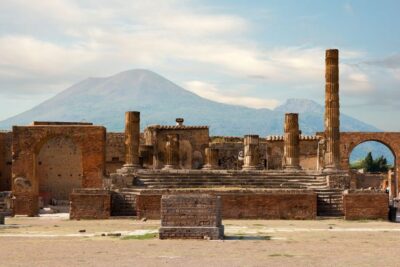
Pompeii Small Group Tour with an Archaeologist
Read our review →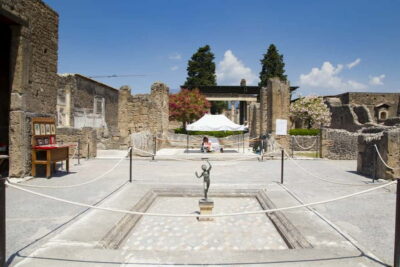
Naples or Sorrento: Full-Day Pompeii and Mount Vesuvius Tour
Read our review →
Pompeii & Mt.Vesuvius Day Tour from Naples with Pizza Lunch
Read our review →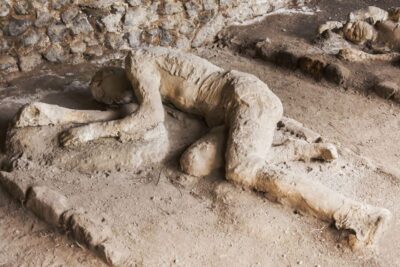
Browse the lists this tour appears in