
Reviewed · 3-HOUR EXPERIENCES
Naples: The Holy Mile 3-Hour Guided Tour
The Holy Mile is one of those Naples ideas that sounds simple, then turns surprisingly moving once you’re in it. You follow a sacred route that links the tomb of St. Gennaro to the next world beneath Rione Sanità, right where everyday life still happens above the churches. Holy Mile and Rione Sanità are the heart of the experience.
I love the Catacombe di San Gennaro part of the tour, because it shows how early Christian life left physical traces under the city. I also love the way the route uses the neighborhood as a living guide, with basilicas and artworks like frescoes and mosaics tied to the same story.
The main drawback is that this is a walking tour, plus time underground. Bring comfortable walking shoes, and plan on steady walking for the full 3 hours.
Key highlights
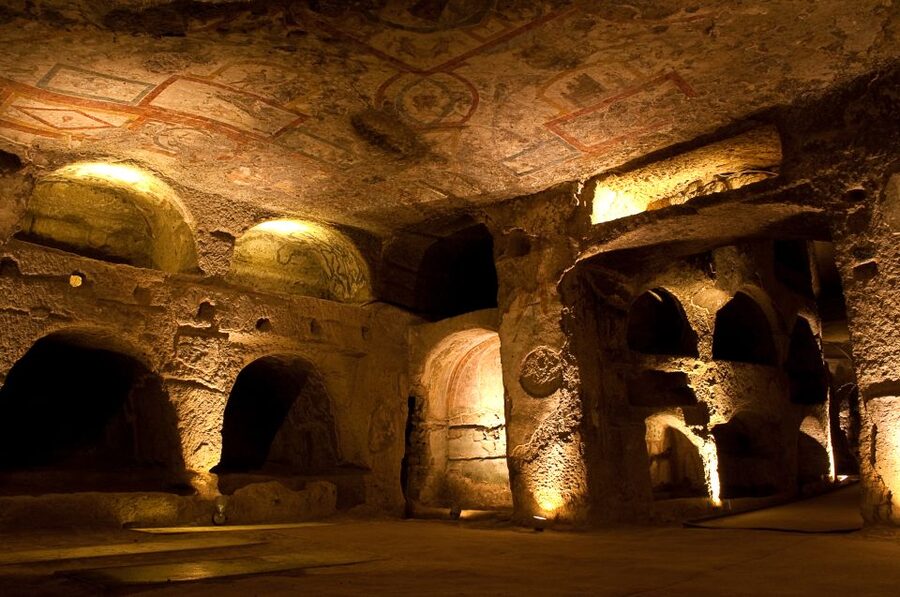
- Catacombs of San Gennaro: 50 minutes underground with a guide leading the way
- St. Gennaro linked basilicas: stops tied to San Gennaro extra Moenia and Santa Maria della Sanità
- Frescoes and mosaics: you’ll see key decorated surfaces explained in context
- Presepe Favoloso stop: a special stop connected to the Santa Maria della Sanità basilica area
- Historic street-level Naples: Rione Sanità, with palazzi and old corners near Via Vergini and Piazzetta Crociferi
- End at Piazza Cavour: convenient finish near the Archaeological Museum area
Why the Holy Mile route feels different from typical Naples sightseeing
Naples can be loud, fast, and surface-level if you only hit the big postcard zones. The Holy Mile does the opposite. It pulls you into a quieter Naples, one that runs under the streets and then climbs back up into the Rione Sanità neighborhood.
What makes it especially interesting is that the route is not just “catacombs, then churches.” It’s a connected walk through sacred spaces and the ancient district that grew up around them. You get the sense that Naples doesn’t treat its past as museum content. It treats it like part of the neighborhood’s current identity.
And this tour comes with a practical bonus. For $22 and about 3 hours, you get a guided experience plus entry to multiple major stops, including underground areas. That is good value for a city where a lot of “cheap” tours actually cost you extra once you start buying tickets.
A few more Naples trips worth comparing
- Naples: Catacombs of San Gennaro Entry Ticket & Guided Tour
★ 4.6 · 7,941 reviews - Naples: Spanish Quarters Underground Guided Tour
★ 4.8 · 5,064 reviews - Naples: Street Food Walking Tour with Local Guide
★ 4.8 · 4,256 reviews
Price and time: $22 for guided underground stops that include tickets
This tour is priced at $22 per person for a 3-hour guided format. For that time, you’re not just being walked past buildings. You’re taken into major sites along the route, with entry tickets to the stops included.
That matters because catacombs and basilicas are not the kind of things you can easily self-tour without context. The value is in the structure: a guide keeps the story moving from St. Gennaro’s tomb into the underground religious world, then back up into Rione Sanità.
Language options also affect value. The tour is offered in Italian and English, with a live guide. If your Italian is limited, English narration helps you get the meaning without guessing.
One more time note, and it’s important. Even at 3 hours, this is not a sit-down, slow-and-linger outing. You’ll be walking, and you’ll be moving between stops.
Your morning start at Catacombe di San Gennaro, 50 minutes underground
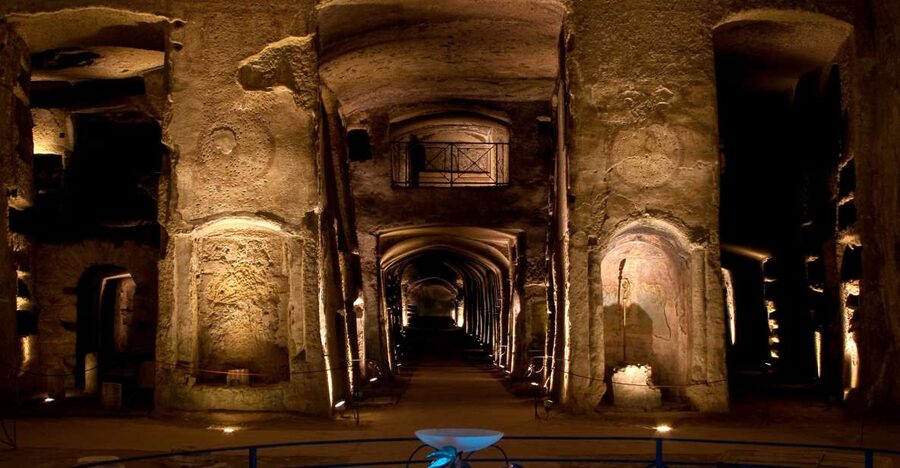
The tour begins at Catacombe di San Gennaro. The first guided block runs about 50 minutes, and this is where you set the tone for the whole route.
Here’s what you should expect from a practical standpoint. Underground spaces have a different pace. You’ll likely need to pay attention to directions, and you’ll want your phone ready for photos only when appropriate. Most importantly, the guide’s job is to connect what you see to why it matters, so the time doesn’t feel like random corridors.
Why this stop is the anchor of the Holy Mile is simple. The catacombs are the route’s starting point, so everything after tends to feel like a continuation rather than a separate attraction. You’re building a mental map of the sacred geography.
If you’re sensitive to crowded spaces, go in expecting tight layouts. The walking reviews you’ll hear about this tour tend to focus on stamina, and that stamina starts underground as well as above ground.
San Gennaro extra Moenia Basilica, connecting the tomb story to the living city
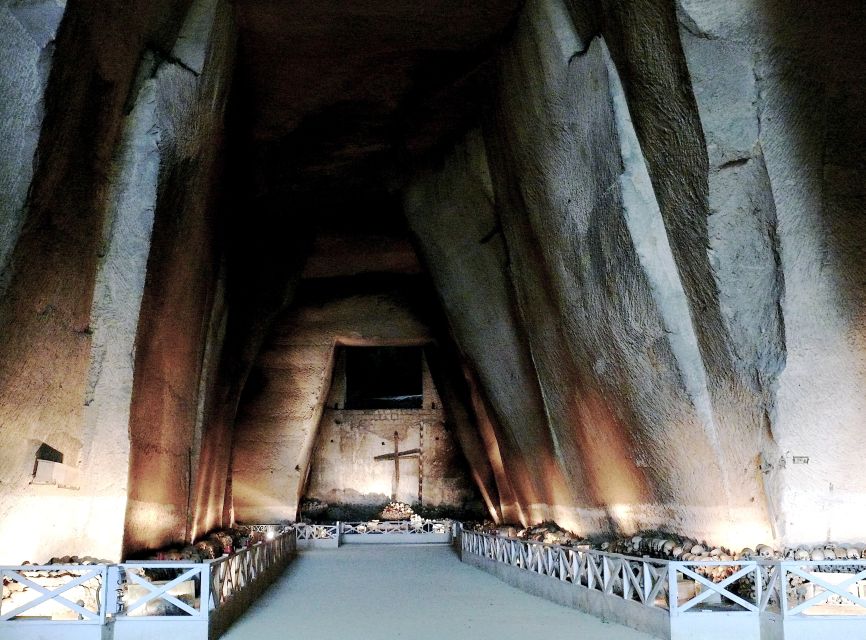
After the catacombs, the route continues with stops connected to St. Gennaro, including San Gennaro extra Moenia Basilica.
Even though the exact timing for this specific stop can vary within the flow of a guided walk, the purpose is clear. This is where the tour shifts from the underground world outward into the spiritual landmarks that made the route important over time.
This is also one of the places where you’ll start noticing how decoration carries meaning. The Holy Mile highlights frescoes and mosaics as key visual evidence, not just pretty surfaces. The guide helps you read those images as part of the sacred tradition tied to St. Gennaro.
If you love art and symbols, this stop is a good moment to slow down in your mind, even if your feet keep moving. The tour works best when you let the guide’s narrative connect the visual dots.
A different sort of day around the Bay of Naples:
- From Naples: Pompeii Ruins & Mount Vesuvius Day Tour
★ 4.3 · 11,459 reviews - From Naples: Sorrento, Positano and Amalfi Full-Day Tour
★ 4.6 · 10,988 reviews - From Naples: Sorrento, Positano & Amalfi Coast – Small Group Tour
★ 5.0 · 8,643 reviews - Naples: Downtown Tour with Veiled Christ & St Clare Tickets
★ 4.9 · 6,462 reviews
Santa Maria della Sanità Basilica and the 40-minute guided focus
The next big block is the Basilica of Santa Maria della Sanità, with a 40-minute guided tour.
This is a centerpiece because it brings the experience back to a more “inside the church” rhythm after the catacombs. Expect to spend time looking, listening, and absorbing details you might otherwise miss on a quick visit.
The tour also emphasizes how religious decoration developed from early Christian eras into the later visual language you can still see in the basilica today. In other words, you’re not just looking at finished artwork. You’re hearing how the basilica’s visual story fits a longer timeline.
This is also where the tour’s emotional tone can shift. Underground is often awe. A basilica can feel more personal, like stepping into a place that has kept meaning through generations.
The Presepe Favoloso stop and a 15-minute break that helps you reset
Right after the basilica focus, the route includes the Presepe Favoloso stop, still within the same general basilica area.
Then you get a 15-minute break. I’m glad this is built in, because it keeps the tour realistic. After a guided underground sequence plus more indoor attention, you need a chance to stand up straight, breathe, and recharge.
From a practical view, the break is where you can:
- regroup with your guide and group
- use restrooms if needed
- grab a quick sip of water if you brought one
If you’re the type who likes photos, use the break to check your plan. Decide what you want to photograph after, before you lose time in the next walking segment.
Rione Sanità street walk: the neighborhood as a second guide
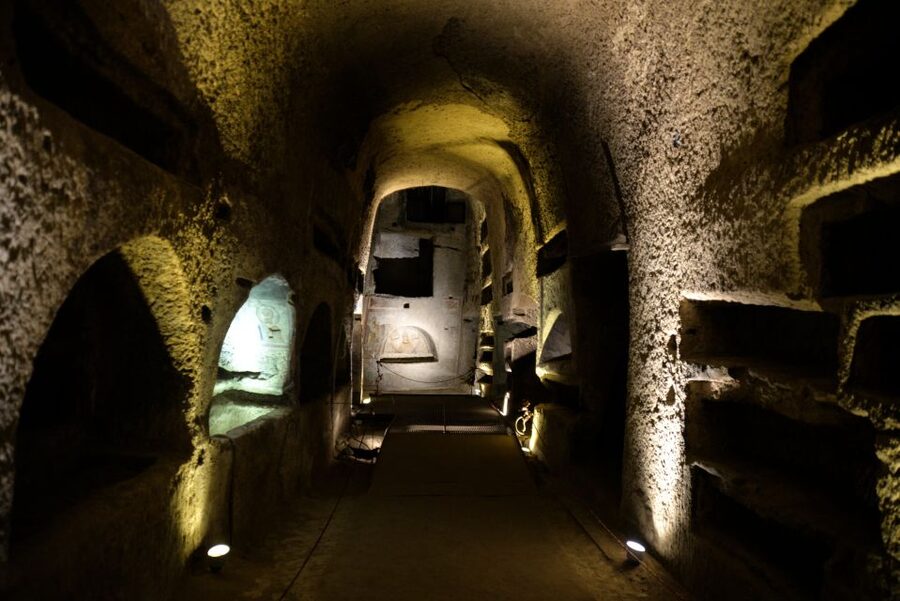
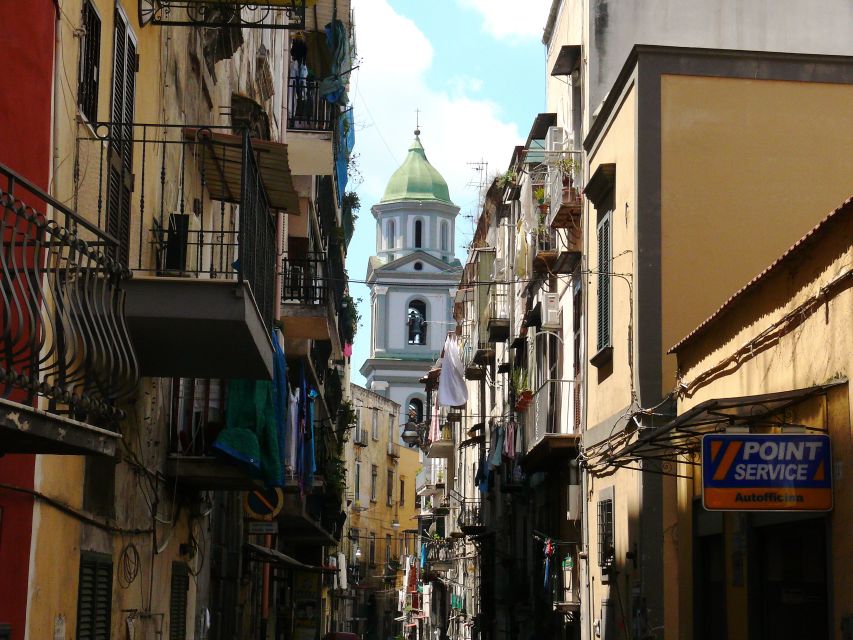
After the basilicas, the Holy Mile becomes a neighborhood walk through Rione Sanità, one of Naples’ most ancient districts.
This is where the experience stops being only architectural. You start seeing the neighborhood as a place where layers of influence still show in daily life and old buildings. The route is designed to help you read street-level Naples, including signs of past power, with memories of popes, kings, and cardinals mentioned as part of what shaped the area.
The guided street portion matters because it makes the underground sites make more sense. Catacombs and churches didn’t exist in a vacuum. The Holy Mile connects sacred meaning to the people who lived around it.
Also, street-level walking is where you should be most honest about your stamina. This is not a tour you want to “power through” without preparation. Comfortable shoes are not a suggestion here. They are part of the enjoyment.
Palazzo San Felice and the palazzi stops: why the walk includes architecture
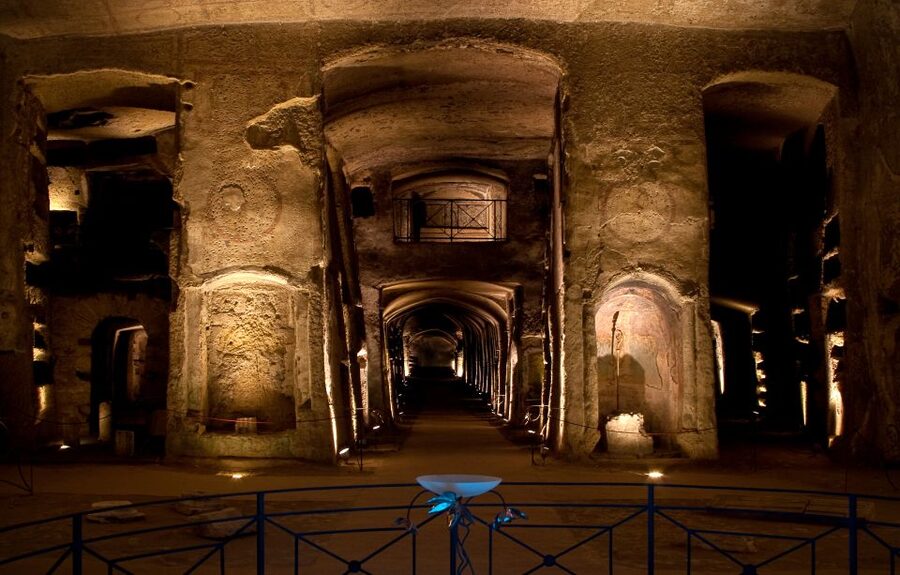
The Holy Mile includes Palazzo San Felice and other palazzo moments, plus short walks past or around addresses tied to the route, such as Via Vergini 19 and Piazzetta Crociferi.
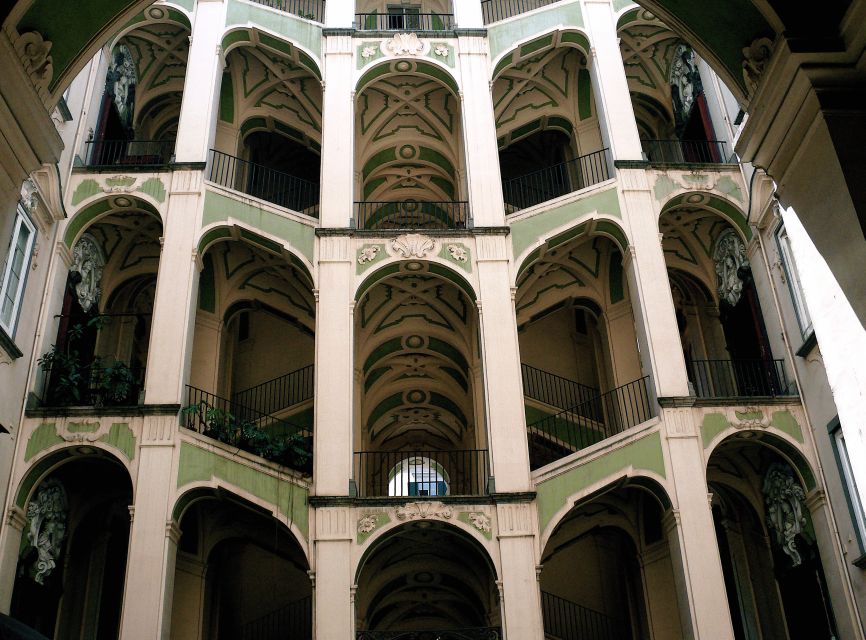
The value of these stops is easy to miss if you think you’re only coming for catacombs. Palazzi are part of how Naples tells its story above ground. They show wealth, influence, and the way certain neighborhoods gathered power.
What you get is a shift from spiritual architecture to civic architecture. You hear how the neighborhood’s past shaped its buildings, and you connect that to the sacred route you just experienced.
These sections are shorter walks, often around 10 minutes each, but they still add meaning. Think of them as punctuation marks: the tour keeps adding context so you leave with more than a list of stops.
Palazzo dello Spagnuol and the feeling of Naples as a living archive
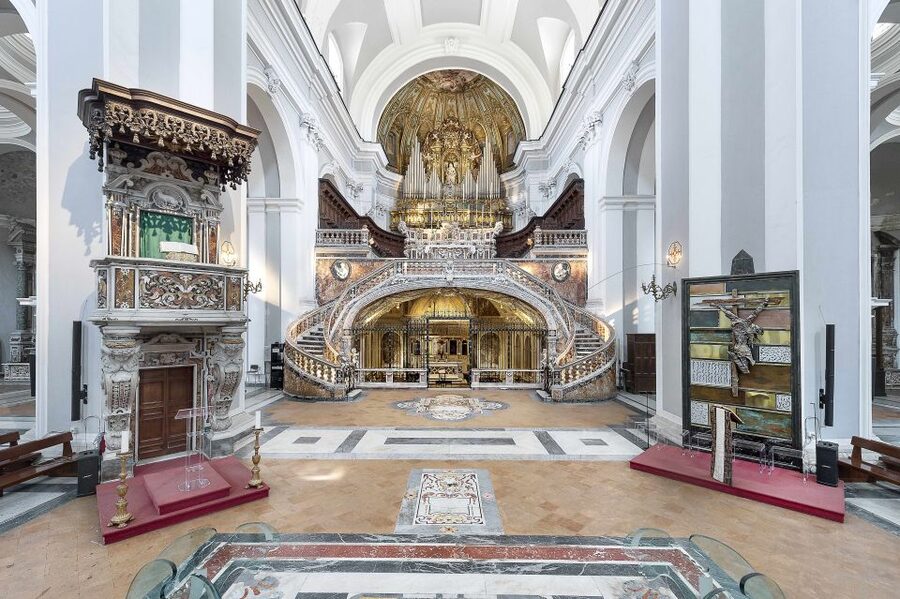
The route also includes Palazzo dello Spagnuol, one more architectural stop that reinforces the idea that Naples is layered.
This part of the tour is not about one dramatic viewpoint. It’s about repetition and pattern. As you move through the neighborhood, you keep encountering traces of different eras, and the guide ties those traces back to the same sacred thread that started at St. Gennaro’s tomb.
If you like history but find pure history tours boring, this is a strong middle ground. You learn, but you also keep moving through real space. That balance helps your brain stay engaged.
Community revival in Rione Sanità, and why your ticket does more than fund a guide
One of the most meaningful aspects of the Holy Mile is that it supports the revival of Rione Sanità, described as a special project connected to the area’s renewal.
This matters in a practical, not sentimental, way. Tours can sometimes feel like extractive sightseeing, where you pass through someone else’s home. The Holy Mile frames the visit as support for revival efforts in the neighborhood itself.
I like that the tour doesn’t treat the neighborhood as a backdrop. It treats it as a living place with a future, not only a past.
So when you’re deciding whether to book, consider what you want your trip to do. If you want your Naples time to connect to more than photos, this tour’s community angle is part of the value.
Guides, language, and the kind of explanation you should expect in English
The tour is led by a live guide and runs in Italian and English.
You can also pick up a hint from past guidance styles. Guides like Fabrizio and Giuseppe have been noted for explaining with detail and heart, and Nello is mentioned as fluent in English and passionate about both the past and what comes next for Naples.
Here’s how that affects you. On a tour like this, the guide’s narrative is what turns a set of sites into a single coherent experience. The Holy Mile works best when the guide can connect catacombs, basilica art, and neighborhood streets into one story. Based on the kinds of feedback the tour has received, that’s usually what you get.
If you care about Q and A, this is also a good fit. The tour’s format invites questions because you’re hearing a full chain of meaning, not isolated facts.
What to wear and how to pace yourself for a 3-hour underground plus street route
If you do one thing before booking, do this: plan for walking and uneven transitions.
Here’s what to prepare for based on the tour’s structure:
- Wear comfortable walking shoes (the tour covers underground spaces and street-level walking)
- Expect time underground first, then basilicas, then multiple short walks
- Bring a water strategy for the break, since you’ll be moving for the full 3 hours
Also, think about how you handle indoor lighting. Catacombs and decorated church interiors can be dim, so you might need to adjust camera settings. Bring the right expectations, and the photos will feel less frustrating.
If you’re prone to getting tired in enclosed spaces, consider how you feel in basements and underground rooms before you go. This isn’t a “stay on the main path the whole time” tour.
Who should book the Holy Mile tour, and who should choose something else
This tour is a great match if you:
- want Naples beyond the postcard zones
- enjoy religious art, symbolism, and the way decoration connects to early Christian roots
- like guided pacing, where someone else helps you make sense of what you’re seeing
- want a neighborhood experience that includes street context, not only interiors
It may be a weaker match if you:
- want a mostly outdoor day
- dislike walking for stretches even when they’re broken into short segments
- prefer self-guided tours where you can linger for long periods without a schedule
The Holy Mile has a clear rhythm. You should be comfortable following it.
Should you book the Naples Holy Mile 3-hour guided tour?
If you’re curious about how Naples tells its story from underground to street level, this is one of the more focused ways to do it. The standout value is that the tour includes entry tickets and a guided explanation across multiple key sites, all in about 3 hours.
Book it if you want to see the Catacombs of San Gennaro, understand what you’re looking at in basilicas and decorated surfaces, and then walk the Rione Sanità district with the route’s story in your head.
Skip it if you want a low-walking, slow, flexible outing. This one rewards prepared feet and an interest in layered sacred spaces.
FAQ
Where does the Holy Mile tour start?
The tour starts at Catacombe di San Gennaro.
How long is the tour?
The tour duration is 3 hours.
What does the tour cost?
The price is $22 per person.
What language is the guide in?
The tour offers live guiding in Italian and English.
What stops are included on the route?
The route includes stops at Catacombs of San Gennaro, San Gennaro extra Moenia Basilica, San Maria della Sanità Basilica, Presepe Favoloso, the Sanità district, Palazzo San Felice, and Palazzo dello Spagnuol, then it finishes near Piazza Cavour.
How long are the major guided parts?
The catacombs have a guided segment of about 50 minutes, and the Santa Maria della Sanità Basilica has a guided segment of about 40 minutes, plus a 15-minute break.
What is included in the price?
The included items are the guide and entry tickets to stops 1 to 7.
What is not included?
Hotel pickup and drop-off are not included.
Do I need to wear anything specific?
Bring comfortable walking shoes, since the tour includes walking and time in the underground spaces.
Recently reviewed around Naples
- Pompeii & Herculaneum Group Tour with tickets★ 4.9 · 13 reviews
- From Naples: Pompeii & Mount Vesuvius Full-Day Private Tour★ 4.5 · 4 reviews
- Pompeii with Wine Tasting Private Tour★ 4.7 · 6 reviews
- Pompeii, Amalfi, Ravello Day Tour with Private Transfer★ 5.0 · 3 reviews
- Ruins of Pompeii & the Amalfi Coast: Full-Day Private Tour★ 5.0 · 7 reviews
- Pompeii and Herculaneum: Private Tour from Naples★ 4.6 · 12 reviews
- From Naples: Pompeii Private Tour with Transfer and Guide★ 4.7 · 23 reviews
- Pompei: Private tour of Pompei and Vesuvius from Sorrento★ 5.0 · 8 reviews
3-Hour Experiences, compared.
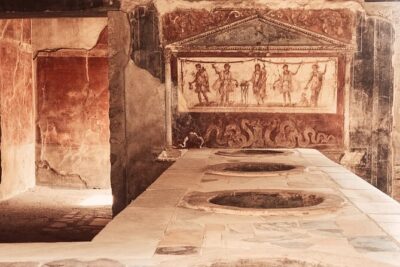
Pompeii Private Tour with an Archaeologist and Skip The Line – 3 hours
Read our review →
Pompeii 3 Hours Walking Tour Led by an Archaeologist
Read our review →
3-Hour Private Boat Tour with Blue Grotto Visit
Read our review →

Discover Mt. Vesuvius: Private 3-Hour Tour from Pompeii
Read our review →

Esperienza Privata a Capri in Barca con Gozzo Classico 3H
Read our review →
Paestum Archaeological Tour: 3-Hour Private Exploration
Read our review →Browse the lists this tour appears in