
Reviewed · COOKING CLASSES
Cooking Lesson: Neapolitan pasta homemade
Cooking fresh pasta in Naples is interesting because you get the full loop, from dough to dinner, and you do it the old-fashioned way. You’ll be working with hand rolling instead of machines, and you’ll be guided by chef Amos through his family-style steps, not just a quick demo. One consideration: this class is not suitable for people with gluten intolerance, so check your needs before you book.
What I especially like is the way the lesson connects technique to ingredients. You’ll taste things like organic tomato from Vesuvio and fresh homemade bread while the dough rests, so you understand why the end result tastes like Naples. You also leave with a chef diploma, which makes it feel more like a hands-on craft than a standard tourist meal.
Key highlights worth your time
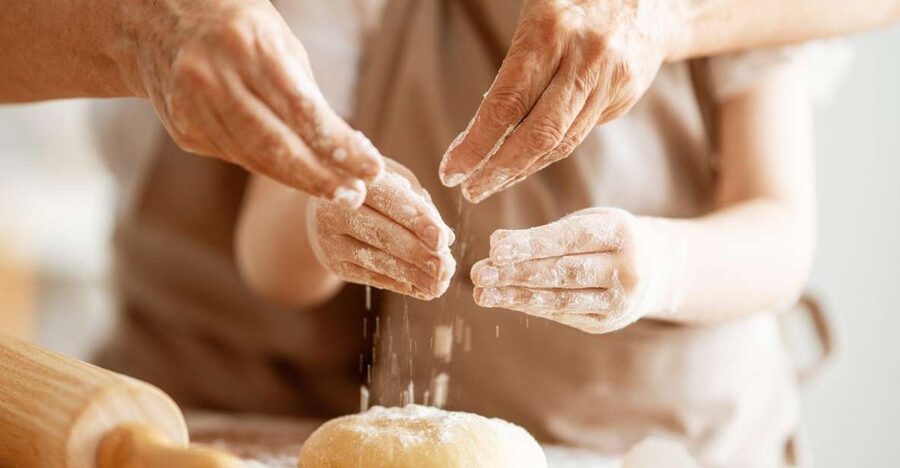
- Hand-rolled pasta methods with no pasta machine, using traditional motions
- Family recipe focus, including a dough approach inspired by 1800s-era technique
- Taste-first downtime, with Vesuvio tomatoes, homemade bread, and a local starter
- You produce multiple shapes, including ravioli and fettuccine, plus how to make tagliolini and pappardelle
- Two Neapolitan-style sauces served with what you cook, plus lunch or dinner
- Multilingual chefs, taught in English, Italian, French, or Spanish
Neapolitan Pasta in Naples, the Way Grandmothers Taught It
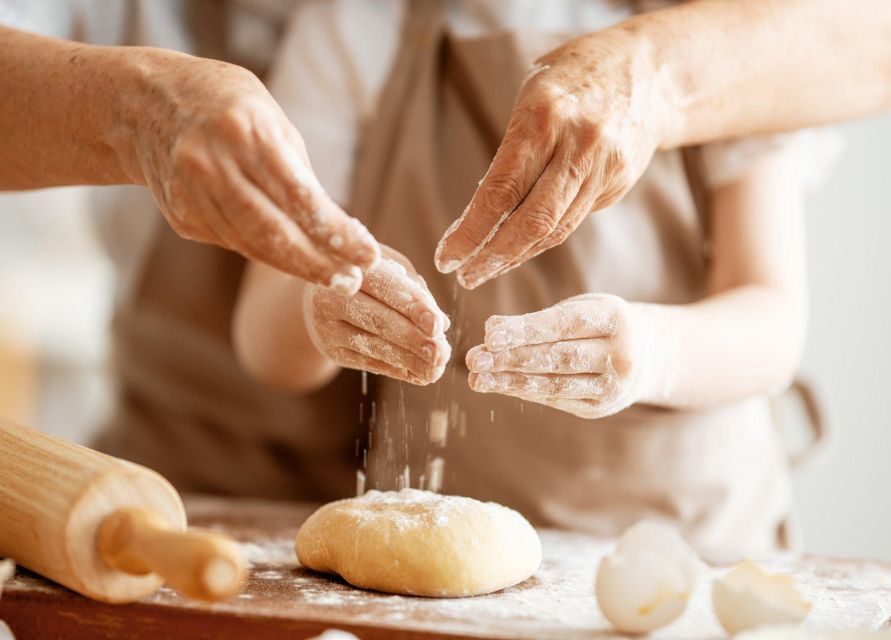
If you think of Italian food as something you order, this cooking lesson nudges you toward something better: making it yourself. In Campania, pasta is culture, not just carbs. And here, you learn the craft in a kitchen setting where the steps matter, from dough texture to cutting shapes.
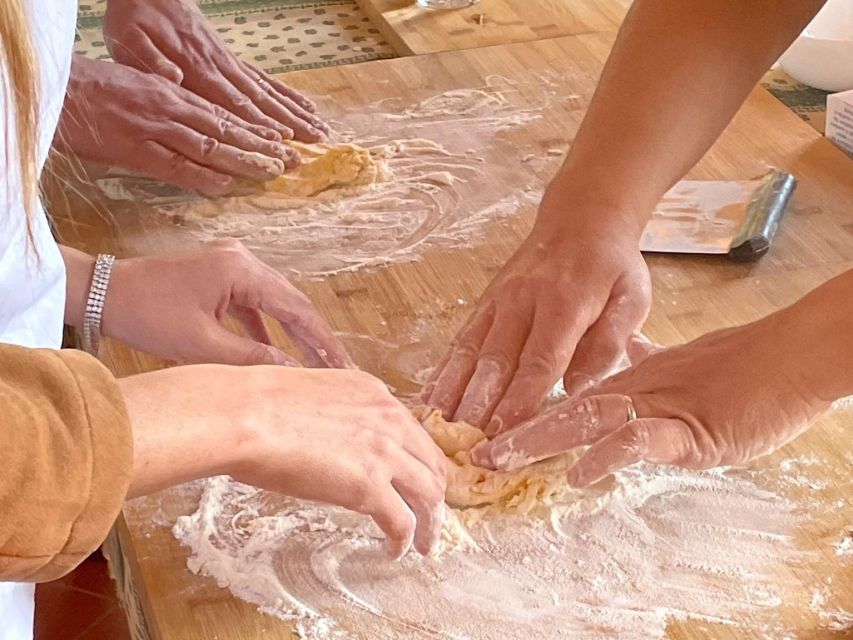
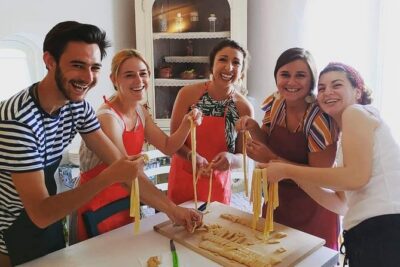
You’ll start with the basics, because the class doesn’t assume you already know the difference between pasta types. That matters if you’ve ever wondered why one noodle holds sauce differently than another. After the quick orientation, you move into egg pasta production using a family recipe, and you keep working until your hands produce fettuccine and ravioli.
One detail I really appreciate is the rhythm. The dough rests, and during that pause you don’t just sit there. You taste local products and learn how ingredients and fermentation time (or resting time) affect the final pasta.
More cooking classes in Naples:
- Naples: Pasta Making Class with Starter and Drink
★ 4.9 · 1,060 reviews - Naples: Pasta Cooking Class with Tiramisù and a Drink
★ 4.6 · 415 reviews - Amazing Pizza and Pasta Class at Savio’s kitchen cooking school
★ 5.0 · 104 reviews
The Lesson Starts With Pasta Types, Then Jumps Into Egg Dough
The flow is smart: you get a quick explanation of the difference between various pasta types, then you go straight into the dough work. This keeps the class from becoming a lecture. Instead, it sets you up to understand why you’ll later cut and shape specific styles.
You’ll make egg pasta dough based on the chef’s family recipe. Part of the lesson includes describing what goes into the dough, so you know what you are actually building. The class also references a dough approach tied to the 1800s, which fits the theme of traditional method over shortcuts.
Then comes the rest period. While the dough rests, the chef brings out local elements for tasting: a local starter and samples that highlight local agriculture. You’ll taste organic tomato from Vesuvio and homemade bread. That tasting time isn’t random. It helps you connect what you’re cooking to what Naples eats.
Rolling Without a Machine, and Why That Changes Everything
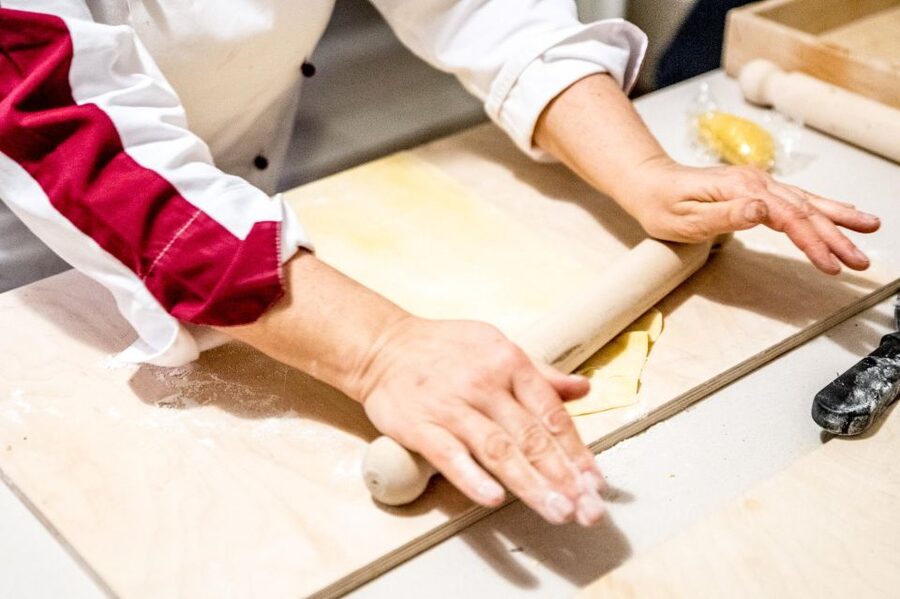
This is one of those experiences where you can feel the difference between a tutorial and a skill. The class uses rolling pins and ancient, traditional methods, meaning you do the work by hand. You won’t rely on a machine to standardize thickness, so you learn how dough behaves when you apply pressure, rotate, and stretch.
You’ll roll the dough out and then cut it into shapes. That may sound straightforward, but fresh pasta is a little sensitive. The thinness has to be right, and the dough consistency affects both cutting and folding.
You also learn that thickness is not just about looks. It changes how sauces cling, and it affects bite. That’s the kind of practical takeaway you’ll use later when you cook at home, even if you don’t roll every time.
Making Ravioli and Fettuccine, Plus Shapes Beyond the Basics
Once your dough is rolled, the class moves into the hands-on shaping stage. You’ll cut dough and make fettuccine and ravioli. You’ll also be shown how to prepare additional forms: tagliolini and pappardelle.
That added variety is a strong value point. Even if you end up eating mostly what you shaped, learning the look and method for other styles gives you more options later. It also helps you understand that pasta isn’t one-size-fits-all. Different noodle widths and shapes handle different sauces.
You’ll mix ingredients for the filling and then combine it with the ravioli. Again, this is the useful part. You’re not only folding dough. You’re learning how the filling connects to the pasta so the texture doesn’t fall apart when it cooks.
More hands-on workshops in Naples:
- Naples: Pizza-Making Workshop with Drink and Appetizer
★ 4.9 · 5,411 reviews - Authentic Pizza Making Class in Naples with Appetizers and Drink
★ 5.0 · 3,178 reviews - Naples: Neapolitan Pizza and Tiramisù Making Class
★ 4.8 · 839 reviews - Naples Pasta Class: Fettuccine & Ravioli with Grandma’s Recipe
★ 5.0 · 506 reviews
Filling the Flavor Gap With Vesuvio Tomatoes and Local Bread
This class does something I wish more cooking tours would do. It treats ingredients like the main character, not a garnish.
While the dough rests, you’ll taste ingredients that represent the region. The star mentioned in the lesson is organic tomato from Vesuvio, plus homemade bread. You also get a local starter sample during that break.
Why this matters: pasta dough is only half the story. The other half is what you pair with it. When you taste the tomato beforehand, the later sauce steps make more sense. You can identify what quality tastes like, and you stop guessing when you recreate the dish.
If you’re the type who loves food shopping, you’ll likely leave with mental notes about what to look for back home.
Cooking Your Pasta, Then Serving It With Two Sauces
After the shaping and filling, your pasta gets cooked in water. That timing piece is important because fresh pasta turns quickly. You’ll then season it with two different sauces, so you get a better sense of how the pasta responds to different flavors.
The final meal pairing is classic Neapolitan. You’ll eat tagliatelle with Neapolitan sauce and ravioli al ragu. That means you experience both a tomato-forward sauce style and a richer ragù style, which are two anchors of traditional cooking.
You’re basically tasting the range of what ravioli and egg pasta can do. If you’ve always thought fresh pasta is limited to one kind of sauce, this corrects that fast.
What the Included Meal Actually Feels Like
You’re not just standing at a cutting board. The lesson includes a sit-down portion: lunch or dinner featuring fettuccine and ravioli. Before that, you also get a local appetizer.
Then the drink part: your meal includes an alcoholic or non-alcoholic drink. That’s a nice touch because it keeps the experience relaxed, especially if you’re with friends or on a day with limited time.
The chef diploma is also worth mentioning, because it signals that you did more than watch. You learned a process, produced food, and then ate it. It’s a small souvenir, but it fits the spirit of the class.
Price and Value for a 2-Hour Naples Lesson at $92
$92 per person for a 2-hour hands-on pasta class sounds specific, and it is. The real question is whether you feel it’s worth it.
Here’s where the value comes from:
- You get instruction that covers dough basics, shaping, and cooking.
- You receive tools and aprons, so you aren’t arriving with guesswork.
- You eat a full meal that includes your pasta and additional courses.
- You get a drink plus a local appetizer, which makes the class feel complete.
- The chef instruction includes multiple pasta styles, not just one shape.
If you usually pay for a cooking activity only for the “program” part, this one is more meal-forward. You’re paying for the whole experience: learning, eating what you made, and tasting local ingredients during the downtime.
The drawback is also part of the pricing reality: it’s not positioned as a quick sampling session. You need the full 2 hours to get value, and you should go in ready to knead, roll, and cut.
Where You Meet, and How Location Changes Can Affect You
Your meeting point is at NAPLES COOKING LAB on Spaccanapoli street, in the heart of Naples historical center. That’s a convenient area for walking around afterward, and it generally keeps you near the action.
One practical note: sometimes the course is held at PIZZERIA MAMMINA in Galleria Umberto I. If that happens, you’re informed in advance of the change. Either location is workable, but it can affect how you plan your arrival, especially if you’re using landmarks to navigate.
Also, you’ll use a separate entrance to skip the line. In a busy historic area, that kind of time saved matters more than you think.
Language, Comfort, and Who This Class Is Built For
The instruction is offered in English, Italian, French, or Spanish, so you can match the chef’s teaching style to your comfort. That is a big deal when you’re doing fine motor steps like rolling dough and cutting clean pasta shapes.
The class is described as wheelchair accessible, which is a positive for planning. The format is still hands-on, so you’ll want to think about how you’ll move during active prep, but at least accessibility is addressed.
Best fit:
- You want real technique, not just a plate of food.
- You like tasting ingredients while you learn.
- You’re traveling with food friends and want a shared activity.
Not the best fit:
- If you have gluten intolerance, this won’t work for you based on the information provided.
- If you only want to eat and would rather not do any prep work, you might find the lesson portion heavier than expected.
Practical Tips to Get the Most From Your Hands-on Session
To make the most of the 2 hours, treat it like a mini workshop.
First, plan to arrive a few minutes early so you can settle in before dough work starts. Second, wear something you don’t mind getting a little flour on. Even with aprons, cooking gets messy, and that’s part of the fun.
Third, pay attention during the tasting time while the dough rests. The tomato from Vesuvio and homemade bread aren’t filler. They’re a way to connect flavor to technique.
Finally, ask questions about anything you struggled with while shaping. Rolling and cutting are the skills that transfer best to home cooking, and a good coach helps you adjust pressure, thickness, and timing.
Should You Book This Naples Homemade Pasta Lesson?
I think you should book this class if you want a Naples experience that is practical, active, and delicious in the same sitting. The combination of hand-rolled technique, dough fundamentals, tastings with local ingredients, and a meal that includes tagliatelle with Neapolitan sauce plus ravioli al ragu makes it feel complete.
Skip it only if gluten intolerance affects you, or if you know you dislike hands-on food prep. Otherwise, this is one of those $92 purchases that can pay back in confidence. You won’t just leave with a full stomach. You’ll leave with pasta skills you can use again, and a clear sense of why Neapolitan pasta tastes the way it does in the first place.
Recently reviewed around Naples
- From Naples: Pompeii & Mount Vesuvius Full-Day Private Tour★ 4.5 · 4 reviews
- Pompeii with Wine Tasting Private Tour★ 4.7 · 6 reviews
- Pompeii, Amalfi, Ravello Day Tour with Private Transfer★ 5.0 · 3 reviews
- Ruins of Pompeii & the Amalfi Coast: Full-Day Private Tour★ 5.0 · 7 reviews
- Pompeii and Herculaneum: Private Tour from Naples★ 4.6 · 12 reviews
- From Naples: Pompeii Private Tour with Transfer and Guide★ 4.7 · 23 reviews
- Pompei: Private tour of Pompei and Vesuvius from Sorrento★ 5.0 · 8 reviews
- Pizza lesson★ 5.0 · 3 reviews
Cooking Classes, compared.

Hands-On Cooking Class & Farmhouse Tour on the Amalfi Coast
Read our review →
Cooking class with Pasta, mozzarella and Tiramisu with wine
Read our review →
Authentic Cooking with Locals: Meal, Wine & Scenic Views
Read our review →
Cooking Class with Pasta, Mozzarella, and Tiramisù
Read our review →
Small-Group Cooking Class in Positano: Gnocchi, Tiramisù & Drinks
Read our review →Browse the lists this tour appears in