
Reviewed · MUSEUMS
Naples: National Gallery of Capodimonte Tour
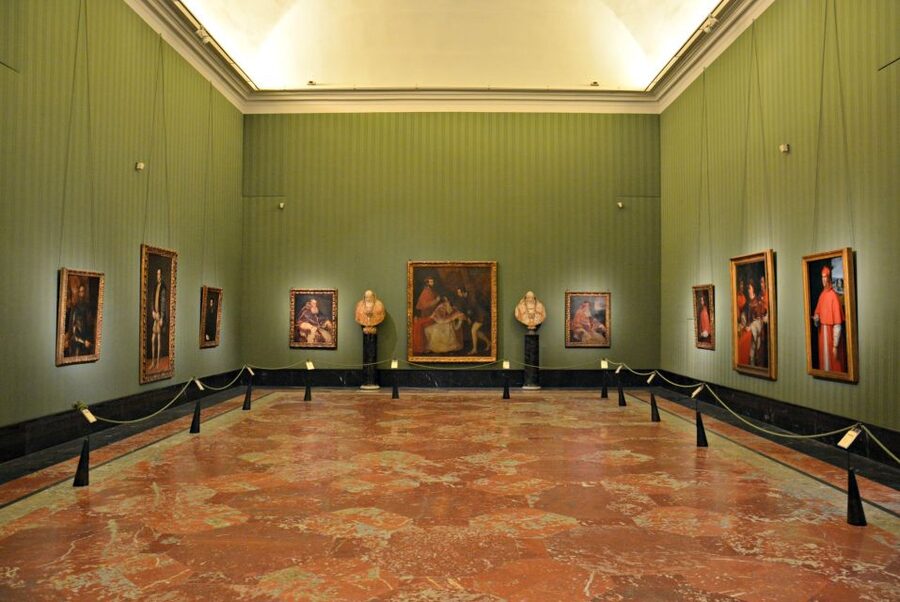
Capodimonte is interesting because you’re not just touring paintings in a white box. You’re walking through a former royal palace set in a park, so the museum’s layout and scale help you understand why this collection matters. I love the way the tour brings you face to face with Caravaggio’s The Flagellation without getting lost in art-school trivia. I also love the Farnese floor experience, with big-name works like Tiziano and related master drawings. The one drawback is simple: 2 hours can feel quick for a museum this large, so the tour is best if you like guided focus more than slow wandering.
You’ll go with a live guide in English or Italian, in a private group format for up to 1 person. Expect a real “follow the argument” style tour, where each floor connects to the next. You also get practical perks like skip-the-ticket-line and entrance included, so you spend time inside the galleries instead of standing around outside.
Key things I’d plan around
- Skip-the-ticket-line entry, so you start seeing art sooner
- Farnese Collection focus, including Tiziano plus works linked to Raphael and Michelangelo
- Second-floor Neapolitan art route, ending at Caravaggio’s The Flagellation
- Top-floor contemporary cameo, including Andy Warhol’s Vesuvio
- Royal wood break and photo stop, because the setting is part of the story
- Private group, which makes it easier to ask questions and pace yourself
Capodimonte, palace-style, not postcard-style

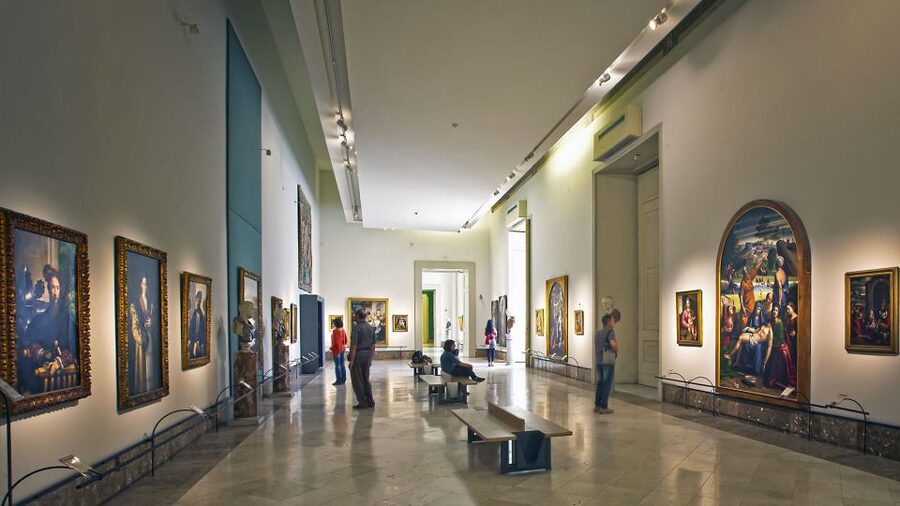
The National Museum of Capodimonte is one of those places where the building does some of the explaining. The museum began life as a Royal Palace, inaugurated as a museum space in 1957, and the rooms were designed to hold royal collections across centuries. That matters, because art like this feels less like random selection and more like a carefully arranged “world” the Kings of Naples kept building.
Also, Capodimonte lives in a park. That changes the mood right away. You’re moving between big indoor rooms and outdoor air during your guided time, so the museum does not feel like a nonstop indoor slog.
This tour is built around that idea: see the palace, then see the art in the palace order, with your guide acting like a map. If you like structure, you’ll probably enjoy it a lot. If you want to be fully free to roam on your own, you might find 2 hours too structured.
More museums and galleries in Naples:
- Naples: National Archaeological Museum Tour & Digital Guide
★ 4.2 · 177 reviews - Naples: National Archaeological Museum audio guide
★ 4.0 · 155 reviews - Capodimonte Museum in Naples
★ 4.0 · 115 reviews
How the timing works at Museo e Real Bosco di Capodimonte
Your visit starts at Museo e Real Bosco di Capodimonte. Plan to arrive 10 minutes before the starting time. That buffer is worth it in Naples, where timing can get chaotic even when you’re doing everything right.
The tour duration is 2 hours, and you return to the meeting point at the end. There’s a break time and a photo stop built into the experience, which is a nice touch because Capodimonte is visually dramatic both inside and out.
Because it’s a private group experience, pacing is usually smoother. You’re not stuck waiting for 30 people to decide which painting deserves a second look. You can ask practical questions like what to look for first, or how the guide wants you to interpret a scene. That is often what turns “I saw some paintings” into “I actually understood what I saw.”
Stop 1 and getting oriented in the Royal Wood area

Right when you start, you’re placed in the Capodimonte context, not just “in front of the ticket gate.” Even before the main galleries, you can get your bearings in the museum and Royal Wood area.
This is more than scenery. Capodimonte is a big property, and knowing that it is a palace in a park helps you make sense of why the museum spreads out the way it does. When you later climb those monumental stairs, it will feel like part of an intentional route instead of a random workout.
If you’re arriving with a camera, this is also where I’d start using it. The first photo stop is short, but Capodimonte gives you background angles that you simply cannot get from a typical city museum.
Stop 2: Monumental stairs and the Farnese Collection

Once you move into the main museum experience, you’ll tackle the monumental stairs first. This is one of those architectural moments that improves how you experience the art. You feel the vertical scale, and then the collection begins to unfold floor by floor.
The first major highlight is the Farnese Collection. This is where the tour really earns its keep if you like “who mattered” art conversations, because you’re handed a cluster of major names tied to the Renaissance mainstream and the power of patronage.
In this part of the visit, you can expect:
- Works associated with Tiziano
- Works by Masolino and Masaccio
- Drawings by Raffaello (Raphael) and Michelangelo
The key value here is that you’re not only seeing famous titles. You’re seeing how different artists and different mediums (painting and drawing) sit inside the same collection story. In a short guided format, that focus matters.
A practical note: if you’re tempted to rush through stairs and then stare quickly at whatever’s closest, don’t. Ask the guide what you should look for first in this room. You’ll get more out of the paintings if you know the guide’s “entry point” for each floor.
A different sort of day around the Bay of Naples:
- From Naples: Pompeii Ruins & Mount Vesuvius Day Tour
★ 4.3 · 11,459 reviews - From Naples: Sorrento, Positano and Amalfi Full-Day Tour
★ 4.6 · 10,988 reviews - From Naples: Sorrento, Positano & Amalfi Coast – Small Group Tour
★ 5.0 · 8,643 reviews - Naples: Catacombs of San Gennaro Entry Ticket & Guided Tour
★ 4.6 · 7,941 reviews
First floor flow: Royal Apartments and a shift in tone
After the Farnese focus, the tour continues to the Royal Apartments, described as the endpoint of the first floor route. This section tends to work well even if you’re not an architecture expert, because the palace rooms give you a sense of how art was meant to live among royal life.
Think of it like this: you’re moving from a collection that signals artistic prestige into spaces that signal how rulers wanted to experience culture. The paintings still matter, but you also start noticing the setting and the transitions.
This is also a good moment to slow down if you’re into details, like how room scale affects what you notice. Many large museums fail here, because people only learn to look at one painting. Capodimonte’s palace layout encourages you to look at groups and sequences.
Stop 2, the second floor: Neapolitan art from medieval to Mannerism
The second floor is where the tour becomes especially satisfying for anyone who wants a Naples-specific story. You’ll shift into Neapolitan art, covering periods from the Medieval Ages through Renaissance and Mannerism.
That arc is meaningful because it keeps the focus on Naples rather than jumping randomly across Italy. Even if you’re not a serious art student, you can start seeing how styles and subjects evolved across centuries in the same geographic artistic environment.
And yes, the route has a built-in “destination feeling.” The end of the corridor leads you to Caravaggio’s The Flagellation. That matters for two reasons:
- You get the painting as a payoff, not as a random exhibit stop.
- The guide can frame it in context, which helps you understand why Caravaggio’s fame still hits so hard.
If you want a tip: when you reach The Flagellation, let the scene land before you start scanning for meaning. Then ask your guide what makes it distinctive in this setting. The guided approach is especially valuable here because Caravaggio can be visually intense. Without context, you can miss what the guide wants you to notice.
The “light at the end of the corridor” moment
The museum’s layout is part of the experience. The description of the corridor leading you to the Caravaggio room is a reminder that Capodimonte is designed like a route, not just a gallery warehouse.
For you, that means your brain gets a reset between sections. You move from one era into another, and you get a controlled path to a high-impact masterpiece. In many museums, people bounce around and end up seeing highlights last, after they’re already mentally tired. This route helps prevent that.
Stop 2, third floor: contemporary art on a palace schedule
The final floor is the contemporary collection. This is where Capodimonte surprises people who expect everything to be strictly Renaissance and Baroque. One of the named highlights is Andy Warhol’s Vesuvio.
This shift works because it ties modern Naples energy back to the idea of place. Warhol’s work is not about the same religious or courtly themes as older painting, but it fits the museum’s “continuing collection” identity. Your guide can help you connect why a contemporary artist belongs in a palace museum, and why the museum keeps evolving rather than freezing in time.
If you’re wondering whether Warhol feels out of place, don’t decide until you see the room flow. The palace setting can make the contemporary pieces feel like a continuation, not a detour.
The guided part: how the route helps you actually understand
The tour includes a live guide and entrance tickets. That’s the heart of the value. With a palace museum, you’re always choosing how to spend your limited attention.
A strong guide can do two useful things in a museum like this:
- Pick the best “thread” for a short timeframe, so you don’t get overwhelmed.
- Point out what to notice so you don’t walk out with only the names.
The reviews emphasize guides who are not just fluent but genuinely supportive and above-and-beyond with their explanations. That’s what you want in a guided art experience, because it turns a quick visit into a memorable one.
Even in a private group, your guide’s job is to connect dots, like how Renaissance works sit next to royal apartments, how Neapolitan painting tells a local story, and how Caravaggio’s work becomes the corridor payoff. That structure is what you’re paying for.
Architecture and museum design: what to pay attention to
Capodimonte is also an architecture visit. If you tend to ignore the building and head straight for paintings, this tour gently trains you to look up and look around.
Here’s what’s worth noticing during your time:
- The climb to the galleries, which changes your perspective before you see the art
- The way the palace rooms support the collection narrative
- The corridor design that shapes how you experience the Caravaggio highlight
- The different floor “moods,” from Renaissance-focused rooms to Neapolitan eras to contemporary works
This kind of noticing does not require any special training. If you just ask yourself what the room is doing to your attention, you’ll naturally start enjoying it more.
The Royal Wood break and photo stop
Your tour includes break time and a photo stop as part of the museum and Royal Wood area. That means you’re not trapped in indoor-only time.
For you, this is practical. Two hours in a large museum can feel surprisingly tiring, even if you’re not sprinting. A short break helps you reset your eyes so you can still enjoy the final floor highlights.
For photos, Capodimonte has a natural advantage: you’re in a park setting associated with a royal complex. Even quick snaps can look more interesting than typical museum shots, because you get architecture and outdoor angles.
Price and value: is $249.23 worth it?
The listed price is $249.23 per group up to 1 for a 2-hour private tour. That might sound high if you compare it to self-guided museum entry. But the value comes from what’s included and what that saves you.
You get:
- A guided tour (the main value)
- Entrance tickets
- Skip the ticket line
- Private group time with a local art historian guide
- A route that covers multiple major floors and highlights
If you’re visiting with at least one person who wants explanation, this kind of guide-led structure can actually be cost-effective compared to paying separately for tickets and spending your energy trying to figure out what matters. And the skip-the-ticket-line piece matters in practice, because museum lines can add stress, especially if your Naples day has other plans.
This tour feels like best value for:
- People who want the museum highlights but also want context
- Anyone who feels overwhelmed by “too much art, no map”
- Visitors who like the idea of a focused route in a large building
It might not be ideal if you’re the type who wants to spend 3 to 4 hours drifting room to room with no structure. In that case, you might choose a longer independent visit.
Who this tour suits best (and who might skip it)
I’d say this tour is a strong fit if you:
- Love art from multiple eras, especially Renaissance and Baroque, with a Naples-specific angle
- Want a guided route that ends with a big moment like The Flagellation
- Appreciate museum architecture and the palace setting as part of the experience
You might skip it if you:
- Have little patience for guided structure and prefer full wandering
- Plan to visit with an extremely tight schedule where even 2 hours feels too long
For most people, though, Capodimonte is one of those Naples experiences that rewards planning, and a guided route is an efficient way to get the most meaning out of a short visit.
FAQ
How long is the Naples Capodimonte tour?
The tour lasts 2 hours, starting at available times you can check when booking.
Where does the tour start and end?
It starts at Museo e Real Bosco di Capodimonte, and it ends back at the same meeting point.
What is included in the price?
The price includes a guided tour and entrance tickets.
Are tickets and lines handled for me?
Yes. This activity includes skip-the-ticket-line entry.
What languages is the live guide available in?
The live tour guide is available in English and Italian.
Is this tour private and wheelchair accessible?
Yes, it is a private group experience and it is wheelchair accessible.
Should you book the Capodimonte National Gallery tour?
I’d book it if you want the Capodimonte experience without guesswork. The museum is large, but the tour gives you a smart route through the Royal Palace rooms, from the Farnese Collection to the corridor arrival at Caravaggio, then up to contemporary highlights like Warhol’s Vesuvio. With entrance included and skip-the-ticket-line, you also avoid common time-wasters.
If you love art but hate planning, this is a good match. If you want a slow, self-directed museum day, you might prefer more time than 2 hours. For a focused, high-value Naples art stop, this one is an easy yes.
Recently reviewed around Naples
- From Naples: Pompeii & Mount Vesuvius Full-Day Private Tour★ 4.5 · 4 reviews
- Pompeii with Wine Tasting Private Tour★ 4.7 · 6 reviews
- Pompeii, Amalfi, Ravello Day Tour with Private Transfer★ 5.0 · 3 reviews
- Ruins of Pompeii & the Amalfi Coast: Full-Day Private Tour★ 5.0 · 7 reviews
- Pompeii and Herculaneum: Private Tour from Naples★ 4.6 · 12 reviews
- From Naples: Pompeii Private Tour with Transfer and Guide★ 4.7 · 23 reviews
- Pompei: Private tour of Pompei and Vesuvius from Sorrento★ 5.0 · 8 reviews
- Pizza lesson★ 5.0 · 3 reviews
Museums, compared.
National Archaeological Museum Ticket & Audio App
Read our review →
National Archaeological Museum of Naples Guided Tour
Read our review →
Vertical Lemon Farm Tour, Tastings, and Rural Museum
Read our review →
National Archaeological Museum Tour & Digital Guide
Read our review →
Sant’Aspreno ai Crociferi: Church & Jago Museum Guided Tour
Read our review →
Browse the lists this tour appears in