
Reviewed · AMALFI COAST TOURS
Amalfi Organic Lemon Tour & Tasting in the Historical Garden
This experience is interesting because it happens in a real, working lemon landscape shaped by centuries of terrace farming, not a scripted show. You walk through the Amalfi Historical Garden, where the air smells like citrus and the views over Amalfi feel like part of the lesson.
What I like most is the hands-on feel of organic lemon tasting at the end, with homemade products made from lemons grown right there. Another big plus for me is the history piece, including consultation of historical documents, so you understand why these terraces matter.
One drawback to plan around: the route is not easy. Expect stairs and steep inclines, and it is not suitable for people with mobility impairments, heart problems, or respiratory issues.
Key things to know before you go
- Authentic farm setting in a hard-to-preserve terrace system, not a polished tourist garden
- Small-group guided walk with a live English guide and historical context
- Water engineering stories like ancient cisterns and channels that kept the terraces alive
- Season matters for lemons because lemons are yellow only between February and July
- End-of-tour tastings of lemonade, limoncello, and lemon cake, with great Amalfi views built in
- Stairs are real and there are no concrete paths or platforms to make it easier
Why This Amalfi Lemon Tour Feels Different in the Historical Garden
The best part of this tour is the setting. You are not wandering through lemon-themed decor. You are walking in a genuine Amalfi farm zone, where the terraces, stone walls, and water systems were built to keep citrus alive on steep hillsides. Even if you think you know lemons, the garden layout makes you see why they grow here the way they do.
I also like that the experience uses a small-group pace. You get time to ask questions and you are not being rushed through a checklist. In the reviews, guides like Giovanna and Joanna come through as the main reason people rate this so highly, with tours paced well and explanations given clearly in English.
Finally, the “rule” of the place is refreshing. The garden asks that you show up as a nature lover, basically a naturophile, meaning you pay attention and respect the work behind what you taste. That mindset fits the farm’s philosophy of balance, reusing what can be reused, and keeping biodiversity in mind.
More Amalfi Coast tours from Amalfi:
- Amalfi Coast: Boat and Snorkeling Tour with Fruit & Drinks
★ 4.9 · 985 reviews - Hands-On Cooking Class & Farmhouse Tour on the Amalfi Coast
★ 5.0 · 956 reviews - Amalfi Coast & Positano: Boat Tour with Snorkeling & Drinks
★ 5.0 · 671 reviews
Walking the Terraces, Cisterns, and Macerine Walls
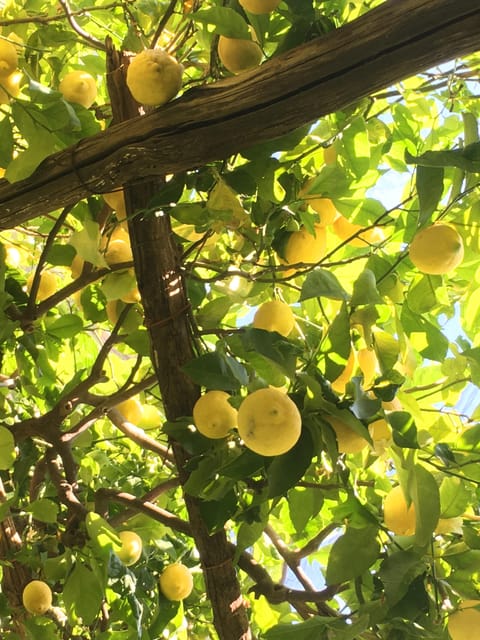
The tour route is built around the way Amalfi farms cling to steep land. It is described as a kind of vertical farming, because the terraces are so stacked and interconnected. You will notice this quickly: you are moving along paths that follow the structure of the farm, not flat garden lanes.
A few very specific elements make the place feel engineered, not accidental:
You learn how pergolas and supports are built using chestnut wood from local forests. You also hear about ancient cisterns and water channels that brought water from high springs down to the terraces. Then there are the macerine stone walls, which act like containers of earth and rock between terrace levels.
It helps to know what that means for you. Terraces are not only pretty. They hold soil in place, manage water, and keep plants alive on slopes where the land would otherwise slide or dry out. When you see those stone layers up close, tasting lemon at the end feels like the final step of a real system, not the end of a mall-style tour.
One more practical note: there are no concrete roads or platforms into the gardens. That is good for the look and the atmosphere, but it means the footing is purely natural and uneven. Reviews also underline the same thing: this is an easy walk to enjoy, as long as you are comfortable with stairs.
Lemons, Seasons, and the Sfusato Variety

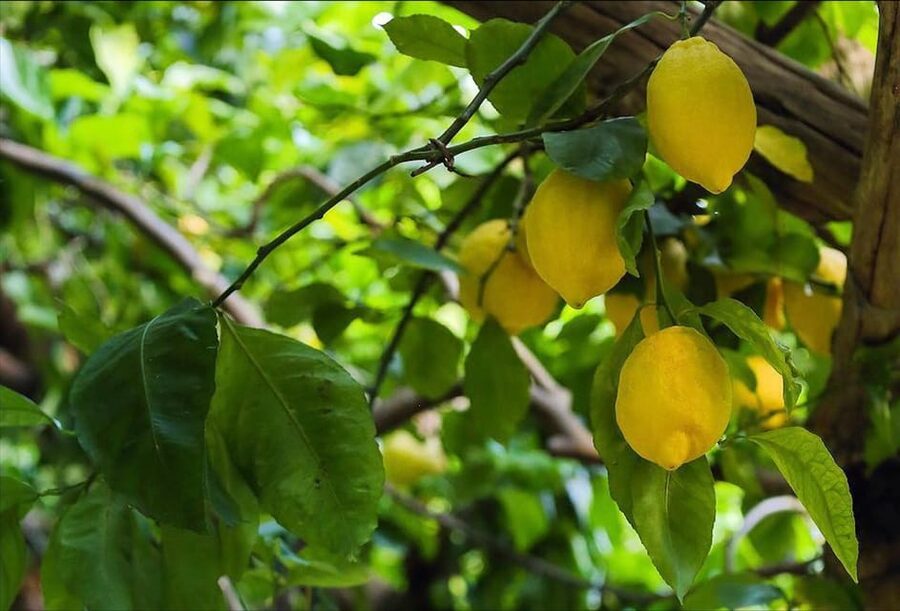
Here’s a detail that matters more than it sounds: lemons are yellow only between February and July. If you are visiting outside that window, the tour still focuses on lemons, but the exact look of the fruit you see might differ. It is worth keeping in mind because Amalfi’s citrus culture is tied to seasons, not marketing.
During the walk, you are introduced to different lemon varieties, including the famous Sfusato. The tour also explains what makes these trees challenging. Lemon branches can be twisted and thorny, and you cannot treat a tree like a museum prop. The guide will show you how to approach the plants so picking and handling make sense.
This is where the farm philosophy clicks. The emphasis is not just on a fruit product, it is on the attitude that works with nature instead of pushing against it. In plain terms, you learn why farmers needed patience and technique to grow citrus on tough land, and why respecting the process is part of the result you taste.
You will also hear how the peasant farming model relied on balance. That includes reusing resources and supporting biodiversity. Even if you care mainly about flavor, it connects the dots between organic farming and the way fruit develops character.
The Tasting: Lemonade, Limoncello, and Lemon Cake
The tasting portion is why many people put this at the top of their Amalfi list, and it makes sense. You are tasting at the end of a garden walk, when you have already learned what the lemons need to thrive here. So the flavors feel specific to the place, not generic “Italian lemon.”
Included tastings are:
- Organic lemonade
- Limoncello
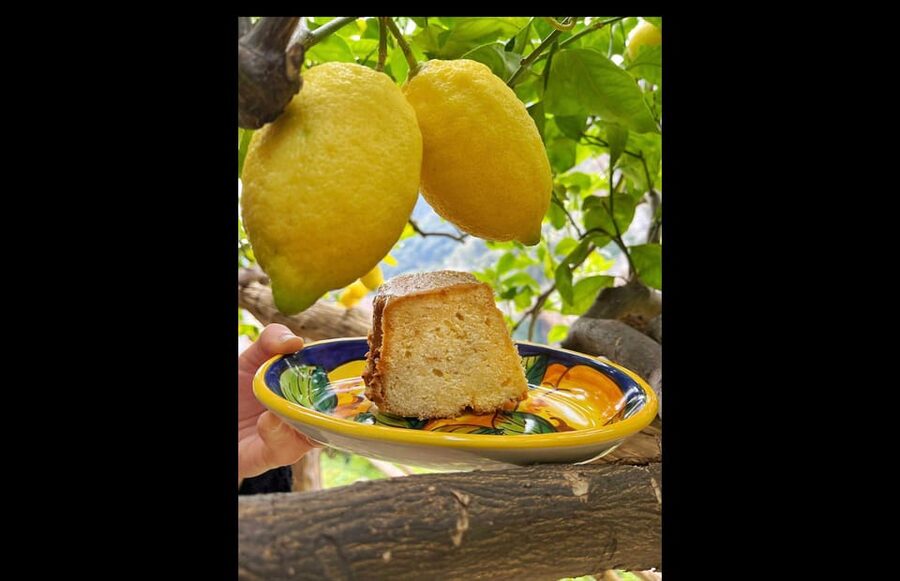
- Lemon cake
In reviews, people consistently call the limoncello standout. They also mention the difference between organic and conventional farming, and they point out that the limoncello they taste comes from organic lemons grown on the farm.
A couple of reviews mention extra sweets or small add-ons beyond the basic trio. You might find honey or candied lemon peel described as part of the final spread. Another person mentions a lemon and cheese-style cake. Those extras may vary, but the core included trio is consistent.
What to expect in taste terms: lemonade should taste bright and clean, limoncello should feel fresh rather than syrupy, and the cake should taste lemon-forward without hiding behind heavy sweetness. If you normally think you do not like limoncello, still try it here. One review notes that even someone who is not usually a limoncello fan ended up wanting a bottle.
A practical tip: pace yourself. The drinks come at the end, and you have already been climbing stairs. Sip, taste, ask questions, and save your “wow” moment for the limoncello.
More history tours in Amalfi:
- Naples: Street Art & History Tour in the Spanish Quarters
★ 4.9 · 540 reviews - Naples: Historic Center and Sansevero Chapel Walking Tour
★ 4.8 · 208 reviews - 360 ° Naples. THE historic center of the city
★ 5.0 · 85 reviews - Naples: Historic Center Tour & Veiled Christ Entry Ticket
★ 5.0 · 70 reviews
Amalfi Views and the View-Break Over the Blue Sea
You get a relaxing break during the tour, timed around the scenery. This is not a photo stop where you rush back to the group. You pause with a view overlooking Amalfi and the sea, and the point is to let the farm setting sink in.
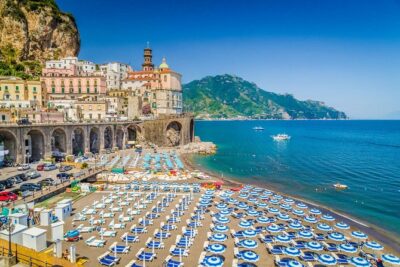
Why this matters: Amalfi citrus culture is inseparable from geography. The sea air, the sun filtering through branches, and the way the terraces catch light all shape the experience. When your guide talks about the hard work of people over centuries, the view makes it feel real.
You also get what feels like a quiet reset from the Amalfi crowds. The garden is set up to keep the focus on the work and the plants, so the views feel earned.
Small-Group Guidance, Real People, and Historical Documents
This is a shared tour in a very small group, and that size shows in the details. You can see why: a garden like this is not built for crowds. Without room, conversation dies and questions get left behind. A smaller group keeps the tour respectful and more personal.
Guides you may meet include Giovanna and Joanna, and in reviews they are described as passionate and attentive. One guide even reached out by text the day before with updates, which helps if you are coming in by foot from the Amalfi area.
Another detail I appreciate is that the tour includes consultation of historical documents. That is not just a “here is a plaque” moment. It gives you context for why the land was managed the way it was, and why preservation is part of the farm’s mission.
It also connects to what people repeatedly say they love: the sense that this is run by a family, not a distant company. You are walking into someone’s living farm culture, so even small interactions matter.
How Hard Is It Really? Stairs, Footing, and Who Should Skip

Let’s be honest. This is not a stroll for people who want flat ground.
Reviews directly flag:
- lots of steps
- steep incline to reach the farm
- no concrete paths or platforms
The activity is also listed as not suitable for people with mobility impairments, heart problems, or respiratory issues. If any of those apply, you should choose a different Amalfi plan.
If you are generally fit and used to hills, you will likely be fine, but bring the right mindset. Wear comfortable shoes with solid grip. This garden is natural and uneven, so flip-flops and thin-soled sandals are a bad idea.
For families: one review mentions a group including two teens, and they loved it. That tells me the content is engaging enough for younger travelers who enjoy hands-on learning, as long as everyone can handle stairs.
Price and Value for About $59 per Person

The price is $59 per person for about 1.5 to 2.5 hours. That may sound modest, but in Amalfi, cost usually ties to views, transportation, and crowd management. Here, a big chunk of the value is tied to the setting and the guidance.
What you are paying for:
- guided walk through the Historical Garden
- consultation of historical documents
- included tastings of lemonade, limoncello, and lemon cake
- a small-group experience that fits a working farm
The value gets better if you care about both tasting and learning. If you only want one drink, there are cheaper ways to do lemon in Amalfi. But if you want to understand how these terraces function and why organic fruit matters, this tour earns its place.
There is also mention of special prices on local typical products at the Historical Garden. Even if the exact discount is not guaranteed in the details you get beforehand, it is a common “you support the farm, you get better options” model.
Should You Book This Organic Amalfi Lemon Tour?
Book it if you want something calmer and more grounded than the usual Amalfi routine. This tour fits best for lemon lovers, nature lovers, and people who enjoy agriculture stories with real structure behind them. If you like learning how food is made, you will like the water systems, stone walls, and terrace logic. And if you care about flavor, the limoncello is the part you will remember.
Skip it if you cannot handle stairs and steep climbs, even if you are motivated. The garden itself is the point, and it is not designed for easy access.
One more decision tip: check when you are going. Because lemons are yellow only between February and July, your visual experience may differ outside those months. The farm still teaches you the same story, but if you want that classic Amalfi lemon look, align your dates.
If you want an experience that feels local, tied to a real family operation, and finished with delicious tasting, this is an easy recommendation.
FAQ

How long is the Amalfi Organic Lemon Tour & Tasting?
It lasts between 1.5 and 2.5 hours.
Where does the tour start?
The meeting point is in the Amalfi center at the gate of the Lemon Farm. You receive more details after booking confirmation.
Is the tour in English?
Yes, the tour guide is available in English.
What do I get to taste?
The tour includes lemonade tasting, limoncello tasting, and lemon cake tasting.
Are lemons yellow year-round in the tour?
No. Lemons are yellow only between February and July.
Is the tour suitable for people with mobility issues?
No. It is not suitable for people with mobility impairments.
What’s the dress and activity reality, since there are stairs?
The tour takes place in a garden with lots of stairs and steep inclines, and there are no concrete roads or platforms into the gardens, so plan for comfortable shoes and be prepared for climbing.
More Food Tours in Amalfi
- Genuine Home Cooking Class + Wine Tasting
★ 5.0 · 122 reviews - Amalfi Coast – Maiori: Path of Lemons Tour with Tasting
★ 5.0 · 109 reviews - Amalfi: Limoncello Factory Visit with Instructor and Tasting
★ 4.9 · 45 reviews - Amalfi Organic Lemon Tour & Wine Tasting + Dinner or Lunch
★ 5.0 · 4 reviews
Recently reviewed around Amalfi
- Naples: Full-Day Sorrento, Positano, and Amalfi Tour★ 4.7 · 3 reviews
- From Amalfi: Group Boat Tour to Capri with Swimming★ 4.7 · 45 reviews
- From Amalfi: Li Galli and Capri Islands Boat Tour★ 5.0 · 8 reviews
- From Amalfi: Day Trip to Capri Private Boat Tour with Drinks★ 4.8 · 82 reviews
- From Amalfi: 7H Amalfi Coast – Group Tour by boat★ 4.5 · 70 reviews
- From Amalfi Coast: Pompeii Herculaneum skip-the-line★ 4.3 · 3 reviews
- Ferriere Waterfalls – Amalfi coast★ 5.0 · 3 reviews
- Amalfi: Learn how to make pasta, mozzarella and tiramisù!★ 4.9 · 20 reviews
Amalfi Coast Tours, compared.

Sorrento, Positano and Amalfi Full-Day Tour
Read our review →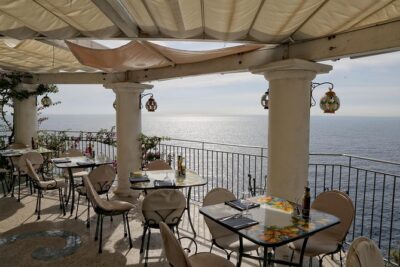
Sorrento, Positano & Amalfi Coast – Small Group Tour
Read our review →




Pompeii & Amalfi Coast Full-Day Trip with Lunch
Read our review →Browse the lists this tour appears in